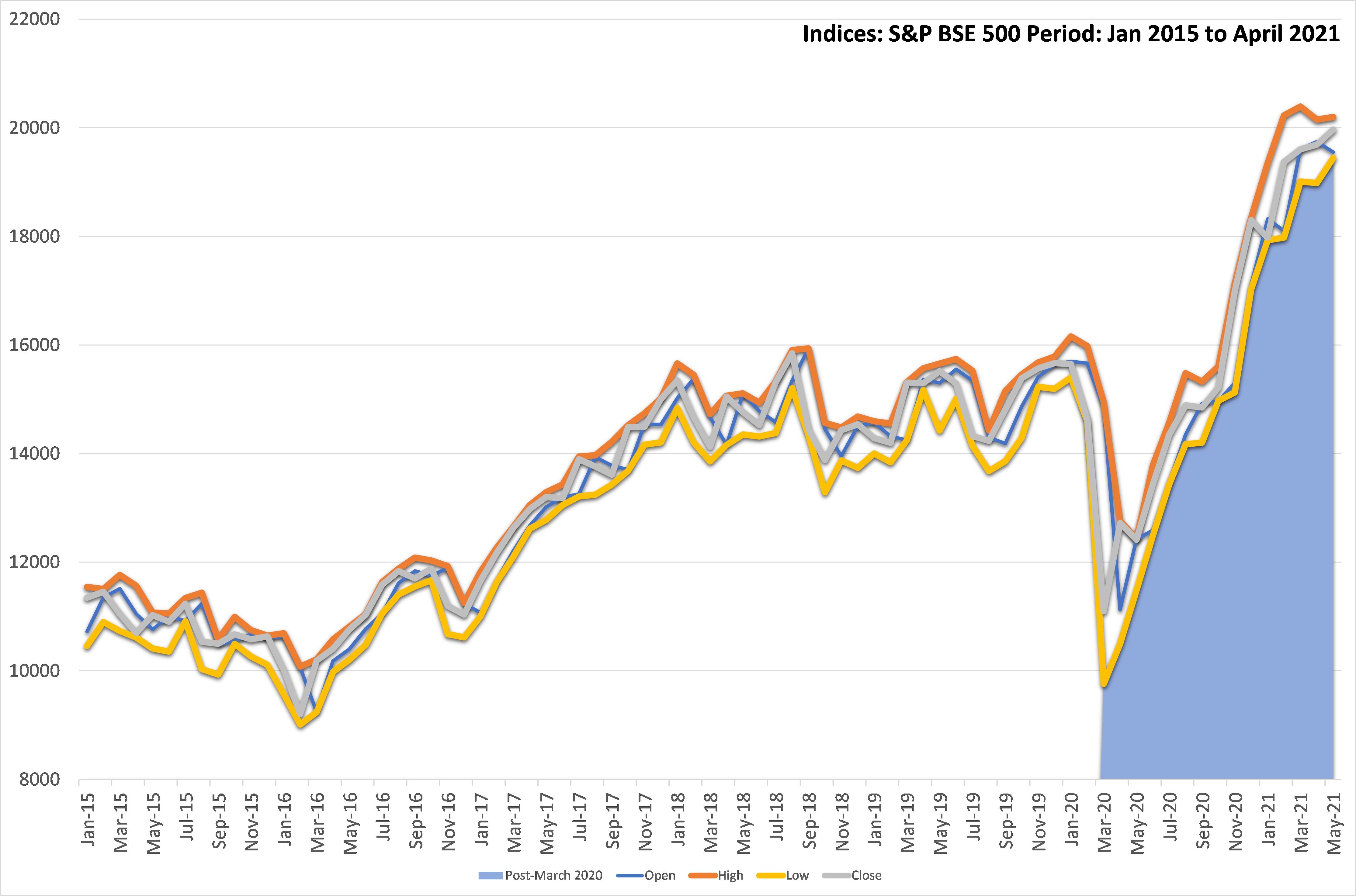
The Indian stock market experienced a sharp decline on June 13, 2026, with the Sensex falling more than 1,456 points [2].
This volatility reflects a sudden shift in investor sentiment during the final hour of trade at the National Stock Exchange of India. Such steep drops in major indices often signal broader economic concerns or reactive selling following global market trends.
According to reports from Moneycontrol, the Nifty index also struggled during the session, ending below 15,800 points [2]. The closing bell activity was highlighted by CNBC TV18, which said it provided a recap of the sector performance and the rapid descent of the indices as the trading day concluded in Mumbai [1].
This downturn follows a period of inconsistent performance across the Indian markets. Earlier in the month, on June 9, 2026, the Sensex had climbed 395 points [3], and the Nifty had topped 23,200 points [3]. Similarly, in late May, the markets showed different levels of volatility, with the Sensex falling 479 points on May 26, 2026 [4], while the Nifty slipped below 23,950 points [4].
The contrast between the gains seen on June 9 and the heavy losses on June 13 underscores the instability currently affecting the NSE. While the Dow Jones Industrial Average rose 450 points in the U.S. around mid-June [7], the Indian indices failed to maintain similar momentum.
Market analysts and investors focused on the final hour of trade to determine if the decline was a temporary dip or a sign of a longer trend. The magnitude of the Sensex drop, exceeding 1,400 points, represents one of the more significant single-day movements in the recent trading window [2].
“The Sensex fell more than 1,456 points”
The dramatic divergence between the June 9 gains and the June 13 crash suggests high volatility in the Indian equity market. While U.S. markets showed growth during the same period, the steep drop in the Sensex and Nifty indicates that domestic factors or specific regional pressures are outweighing global bullish trends, potentially leading to increased investor caution in the short term.

'%2F%3E%0A%20%20%20%20%3Crect%20width%3D'1600'%20height%3D'900'%20fill%3D'url(%23v)'%2F%3E%0A%20%20%20%20%3Cg%20opacity%3D'0.08'%20fill%3D'%23ffffff'%3E%0A%20%20%20%20%20%20%3Ccircle%20cx%3D'1420'%20cy%3D'180'%20r%3D'220'%2F%3E%0A%20%20%20%20%20%20%3Ccircle%20cx%3D'1500'%20cy%3D'760'%20r%3D'120'%2F%3E%0A%20%20%20%20%3C%2Fg%3E%0A%20%20%20%20%3Cline%20x1%3D'80'%20y1%3D'172'%20x2%3D'220'%20y2%3D'172'%20stroke%3D'%23ffffff'%20stroke-width%3D'3'%20stroke-opacity%3D'0.6'%2F%3E%0A%20%20%20%20%3Ctext%20x%3D'80'%20y%3D'140'%20font-family%3D'Inter%2C%20-apple-system%2C%20Helvetica%2C%20sans-serif'%20font-weight%3D'700'%20font-size%3D'28'%20fill%3D'%23ffffff'%20letter-spacing%3D'6'%3EHANNA%20%C2%B7%20NEWS%3C%2Ftext%3E%0A%20%20%20%20%3Ctext%20x%3D'80'%20y%3D'230'%20font-family%3D'Inter%2C%20-apple-system%2C%20Helvetica%2C%20sans-serif'%20font-weight%3D'600'%20font-size%3D'40'%20fill%3D'%23ffffffb3'%20letter-spacing%3D'4'%3EBUSINESS%3C%2Ftext%3E%0A%20%20%20%20%3Ctext%20x%3D'80'%20y%3D'622'%20font-family%3D'Playfair%20Display%2C%20Georgia%2C%20serif'%20font-weight%3D'800'%20font-size%3D'86'%20fill%3D'%23ffffff'%20letter-spacing%3D'-1'%3EHelios%20Mutual%20Fund%20Shifts%3C%2Ftext%3E%3Ctext%20x%3D'80'%20y%3D'721'%20font-family%3D'Playfair%20Display%2C%20Georgia%2C%20serif'%20font-weight%3D'800'%20font-size%3D'86'%20fill%3D'%23ffffff'%20letter-spacing%3D'-1'%3EStrategy%20as%20Indian%20Banks%3C%2Ftext%3E%3Ctext%20x%3D'80'%20y%3D'820'%20font-family%3D'Playfair%20Display%2C%20Georgia%2C%20serif'%20font-weight%3D'800'%20font-size%3D'86'%20fill%3D'%23ffffff'%20letter-spacing%3D'-1'%3ERecover%20from%20FII%20Selling%3C%2Ftext%3E%0A%20%20%20%20%3Ctext%20x%3D'80'%20y%3D'870'%20font-family%3D'Inter%2C%20-apple-system%2C%20Helvetica%2C%20sans-serif'%20font-weight%3D'500'%20font-size%3D'22'%20fill%3D'%23ffffff66'%20letter-spacing%3D'2'%3Enews.hanna-ai.com%3C%2Ftext%3E%0A%20%20%3C%2Fsvg%3E)