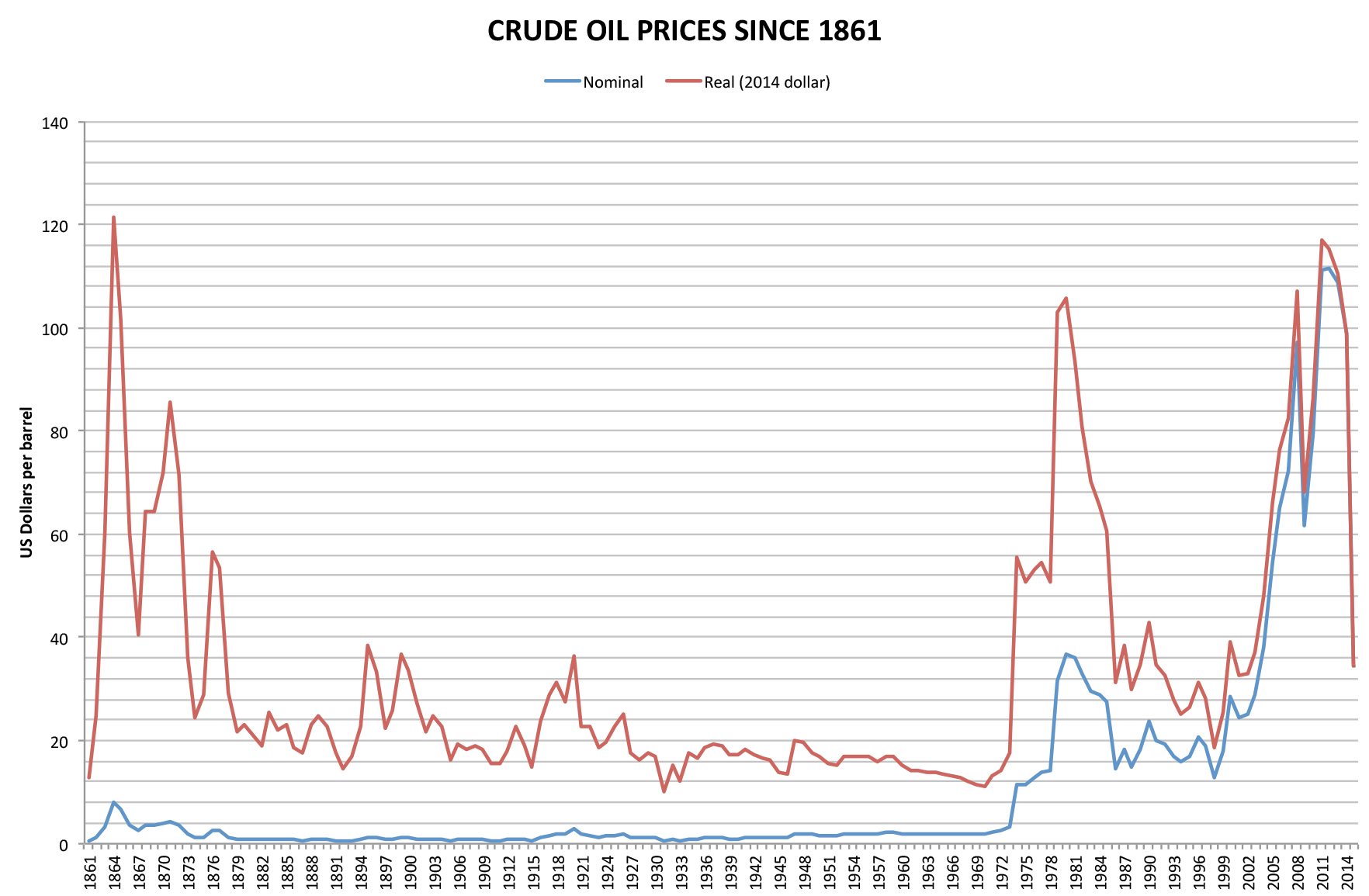
Indian equity benchmarks fell on Tuesday as investors reacted to uncertainty surrounding U.S.-Iran talks and rising crude-oil prices [1], [2].
This volatility highlights the sensitivity of the Indian economy to global geopolitical tensions and energy costs, as India remains a major importer of crude oil.
The BSE Sensex experienced a significant decline during the session. While some reports indicated the index fell over 200 points [3], other data showed a drop of around 400 points [1], [2]. The most specific report listed the Sensex drop at 425 points [4].
Similarly, the NSE Nifty tracked the downward trend, falling below the 23,300 mark [2]. The simultaneous dip in both the Sensex and Nifty suggests a broad market sell-off rather than a sector-specific correction.
Market analysts said that renewed tensions regarding negotiations between the U.S. and Iran spooked investors [3], [2]. The uncertainty regarding these diplomatic efforts coincided with elevated crude-oil prices, which typically increase operational costs for Indian firms and pressure the national trade deficit [1], [3].
Investors shifted toward a cautious stance as they monitored the progress of the talks. The intersection of diplomatic instability and energy price hikes created a risk-off environment in the Mumbai markets [2], [3].
“Indian equity benchmarks fell on Tuesday as investors reacted to uncertainty surrounding US-Iran talks”
The market reaction demonstrates how external geopolitical shocks—specifically those involving the U.S. and Iran—can trigger immediate capital outflows or caution in emerging markets. Because India is heavily dependent on oil imports, any diplomatic friction that threatens oil supply stability or price floors directly impacts investor confidence in Indian equities.