Indian equity indices experienced significant volatility Wednesday as crude oil prices fluctuated amid heightened tensions between the U.S. and Iran.
These movements are critical because India is a major importer of crude oil, making its domestic stock market highly sensitive to geopolitical instability in the Middle East and global energy pricing.
Market data from the day showed stark contradictions in performance. The BSE Sensex fell by more than 400 points [1], while other reports indicated the index jumped 850 points [5] during different trading intervals. Similarly, the Nifty 50 ended below 24,000 [2], though some sessions saw the index rise by 230 points [6].
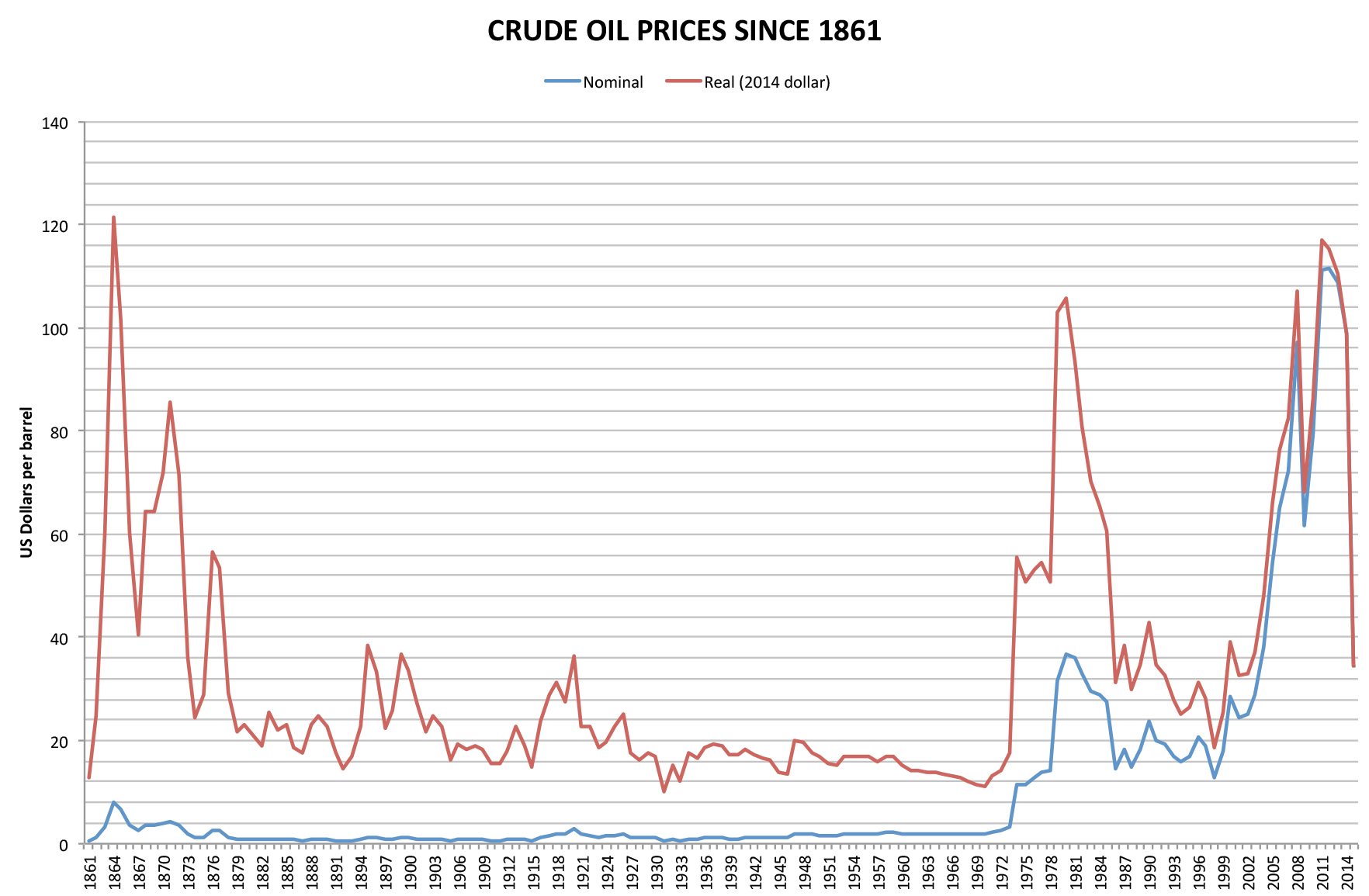
The volatility was closely tied to the cost of energy. Brent crude was recorded above $104 per barrel [9] as U.S.-Iran tensions rose. However, the market saw a reversal when the possibility of a peace deal emerged, leading to a five percent drop in crude oil prices [7]. During this shift, U.S. crude fell by more than eight percent [8].
Investor sentiment has been fragile throughout the month. On May 12, Donald Trump said, "Ceasefire On Life Support" [2]. This uncertainty contributed to a period where investors lost Rs 11 lakh crore [4].
Despite the instability, some analysts looked for signs of recovery. Vaishali Parekh of Prabhudas Lilladher said on May 26, "I am expecting a gap-up opening" [3]. This optimism was reflected in the Gift Nifty, which traded at 24,064 [3] ahead of the session.
The interplay between diplomatic negotiations and energy markets continues to drive the pace of the National Stock Exchange and the Bombay Stock Exchange. As the U.S. and Iran navigate potential agreements, the Indian market remains a primary barometer for the economic impact of these geopolitical shifts.
“"Ceasefire On Life Support."”
The extreme fluctuations in the Sensex and Nifty 50 illustrate the high correlation between Indian equity markets and global energy stability. Because India relies heavily on oil imports, any perceived risk of conflict between the U.S. and Iran triggers immediate volatility, regardless of domestic economic fundamentals. The market is currently operating in a high-sensitivity mode where a single diplomatic update can swing indices by hundreds of points.