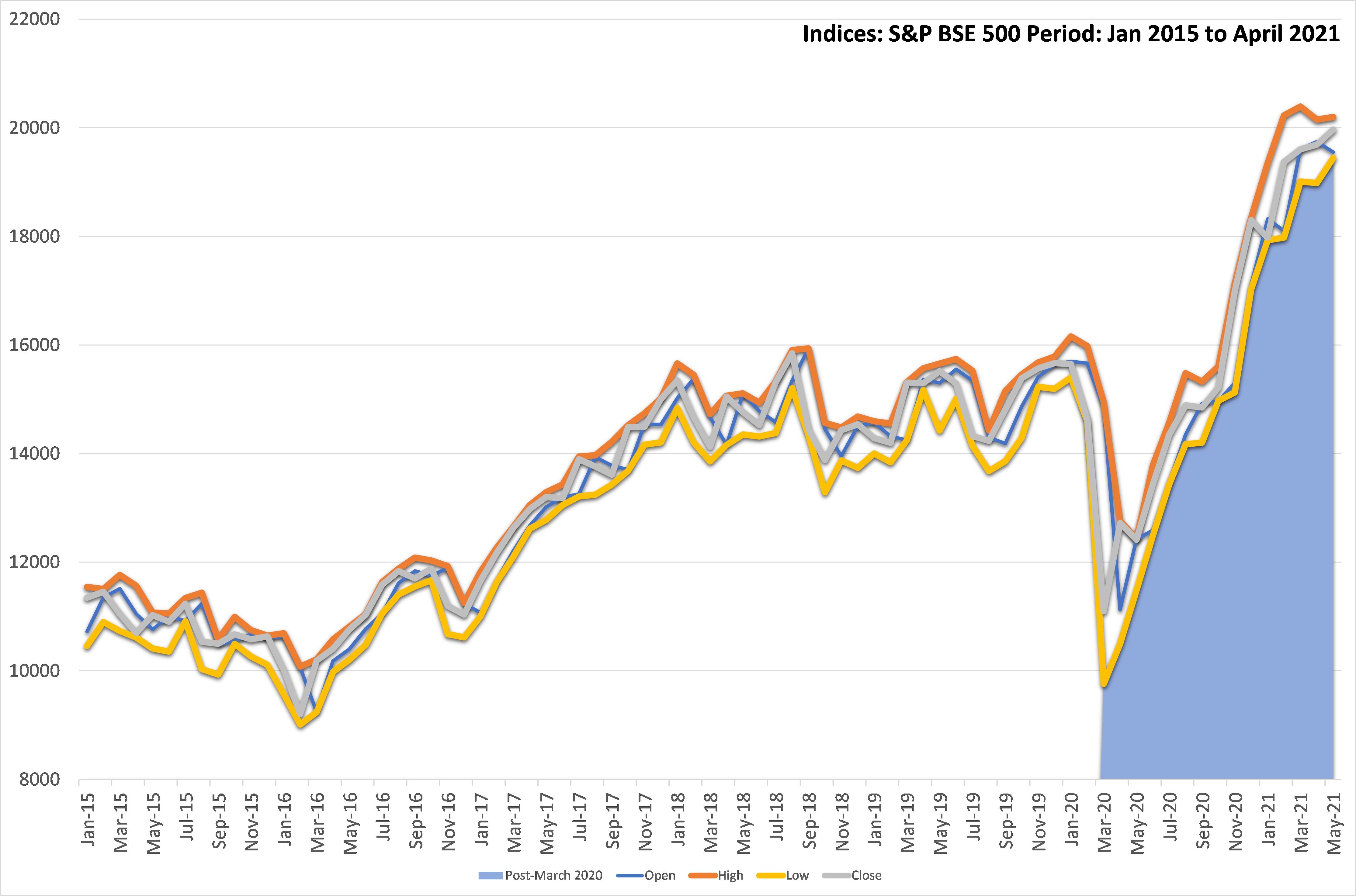
Indian stock market indices showed conflicting movements during the final hour of trading on Wednesday, with major benchmarks recording both gains and losses [1], [2].
These fluctuations reflect the immediate sentiment of investors and traders at the National Stock Exchange of India, influencing portfolio valuations and market stability. The closing bell activity often sets the tone for subsequent trading sessions and reflects the broader economic outlook for the region.
Reporting from the trading floor and online feeds indicated a volatile environment. Moneycontrol said the Sensex fell 550.34 points to close at 76,919.77 [2]. During the same period, the Nifty index was reported as being down 156 points [2].
Other reports provided a different perspective on the day's momentum. The Hindu Business Line said the Sensex jumped 965 points [1], while the Nifty ended above 24,334 [1]. These discrepancies highlight the rapid shifts in index values during the high-volume closing hour.
Historical data from earlier this month shows a pattern of volatility. On July 16, the Economic Times said the Nifty held at 24,050 while the Sensex ended flat [3]. This follows a period of significant growth compared to earlier in the year, when the Nifty was reported above 17,600 in February [4].
Market participants used the final hour of trade to adjust positions based on the latest news and index movements. The divergence in reported numbers between outlets underscores the volatility of the NSE closing bell period.
“The Sensex fell 550.34 points to close at 76,919.77”
The contradictory reporting of the Sensex and Nifty closing levels suggests a high-volatility environment where index values shifted rapidly in the final minutes of trade. For investors, this volatility indicates a lack of consensus on short-term market direction, while the long-term trend remains significantly higher than the levels seen in early 2026.