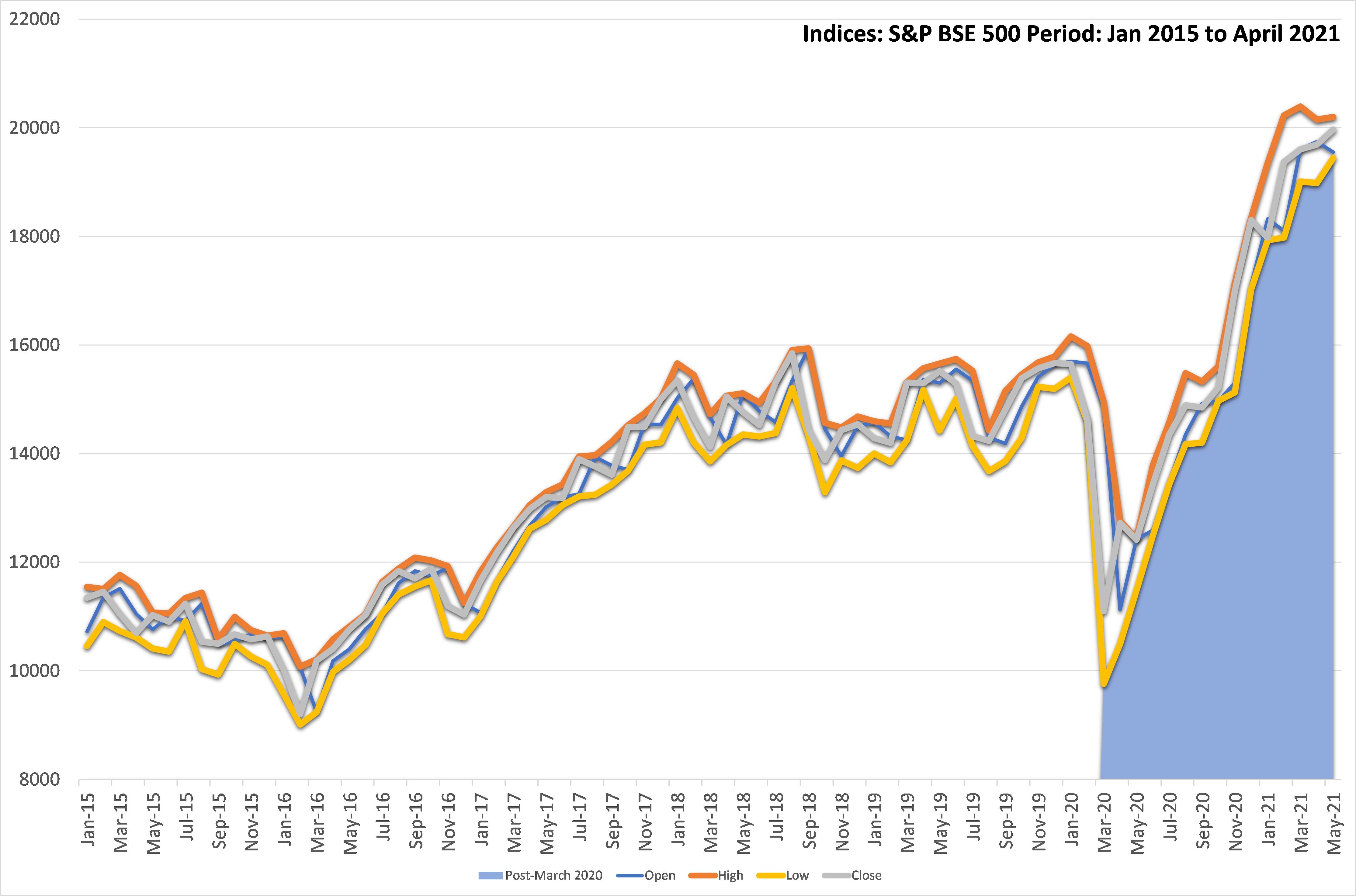
The Indian stock market traded lower on Tuesday, July 21, 2026, as the Sensex and Nifty indices saw significant declines [1, 2].
These movements are critical for investors and traders because they reflect the market's reaction to geopolitical tensions and global commodity price shifts. The volatility highlights the sensitivity of Indian equities to external pressures, even when certain macroeconomic indicators appear favorable.
Moneycontrol provided continuous coverage of the session via a live YouTube broadcast from 9:15 AM to 3:30 PM IST [3]. The stream tracked the Nifty 50, Sensex, Bank Nifty, Mid-cap indices, and rupee rates to provide real-time updates for market enthusiasts [3].
During the session, the Sensex fell over 300 points [1]. Simultaneously, the Nifty index dropped below 24,200 [1]. These declines occurred despite a drop in oil prices, which followed reports of mediation efforts between the U.S. and Iran.
"The Indian stock market traded lower on Tuesday, despite a fall in oil prices following reports of mediation efforts between the US and Iran," an Economic Times author said [4].
The impact was felt across different market segments, though the results were not uniform. The broader market closed mixed, with some sectors showing more resilience than others.
"The broader market closed mixed. The Nifty MidCap 150 fell nearly 0.5%, with ITC Hotels down almost 5.5% and HDFC AMC falling over 4.5%," an NDTV Profit author said [5].
This downturn in mid-cap stocks, specifically within the hospitality and asset management sectors, suggests a cautious approach by investors during the Tuesday session. The combination of index drops and specific company losses indicates a wider trend of profit-booking or risk aversion despite the potential for lower energy costs.
“The Sensex fell over 300 points”
The divergence between falling oil prices—typically a positive for the Indian economy due to its reliance on energy imports—and falling stock indices suggests that other domestic or global headwinds are currently outweighing the benefit of cheaper crude. The decline in the Nifty MidCap 150 indicates that investor caution is extending beyond blue-chip stocks into mid-sized companies, signaling a broader risk-off sentiment in the market.

'%2F%3E%0A%20%20%20%20%3Crect%20width%3D'1600'%20height%3D'900'%20fill%3D'url(%23v)'%2F%3E%0A%20%20%20%20%3Cg%20opacity%3D'0.08'%20fill%3D'%23ffffff'%3E%0A%20%20%20%20%20%20%3Ccircle%20cx%3D'1420'%20cy%3D'180'%20r%3D'220'%2F%3E%0A%20%20%20%20%20%20%3Ccircle%20cx%3D'1500'%20cy%3D'760'%20r%3D'120'%2F%3E%0A%20%20%20%20%3C%2Fg%3E%0A%20%20%20%20%3Cline%20x1%3D'80'%20y1%3D'172'%20x2%3D'220'%20y2%3D'172'%20stroke%3D'%23ffffff'%20stroke-width%3D'3'%20stroke-opacity%3D'0.6'%2F%3E%0A%20%20%20%20%3Ctext%20x%3D'80'%20y%3D'140'%20font-family%3D'Inter%2C%20-apple-system%2C%20Helvetica%2C%20sans-serif'%20font-weight%3D'700'%20font-size%3D'28'%20fill%3D'%23ffffff'%20letter-spacing%3D'6'%3EHANNA%20%C2%B7%20NEWS%3C%2Ftext%3E%0A%20%20%20%20%3Ctext%20x%3D'80'%20y%3D'230'%20font-family%3D'Inter%2C%20-apple-system%2C%20Helvetica%2C%20sans-serif'%20font-weight%3D'600'%20font-size%3D'40'%20fill%3D'%23ffffffb3'%20letter-spacing%3D'4'%3EBUSINESS%3C%2Ftext%3E%0A%20%20%20%20%3Ctext%20x%3D'80'%20y%3D'622'%20font-family%3D'Playfair%20Display%2C%20Georgia%2C%20serif'%20font-weight%3D'800'%20font-size%3D'86'%20fill%3D'%23ffffff'%20letter-spacing%3D'-1'%3EBJP%20MP%20Ravi%20Kishan%20Calls%20for%3C%2Ftext%3E%3Ctext%20x%3D'80'%20y%3D'721'%20font-family%3D'Playfair%20Display%2C%20Georgia%2C%20serif'%20font-weight%3D'800'%20font-size%3D'86'%20fill%3D'%23ffffff'%20letter-spacing%3D'-1'%3EHarshest%20Penalties%20in%20NEET%3C%2Ftext%3E%3Ctext%20x%3D'80'%20y%3D'820'%20font-family%3D'Playfair%20Display%2C%20Georgia%2C%20serif'%20font-weight%3D'800'%20font-size%3D'86'%20fill%3D'%23ffffff'%20letter-spacing%3D'-1'%3EPaper%20Leak%20Case%3C%2Ftext%3E%0A%20%20%20%20%3Ctext%20x%3D'80'%20y%3D'870'%20font-family%3D'Inter%2C%20-apple-system%2C%20Helvetica%2C%20sans-serif'%20font-weight%3D'500'%20font-size%3D'22'%20fill%3D'%23ffffff66'%20letter-spacing%3D'2'%3Enews.hanna-ai.com%3C%2Ftext%3E%0A%20%20%3C%2Fsvg%3E)
