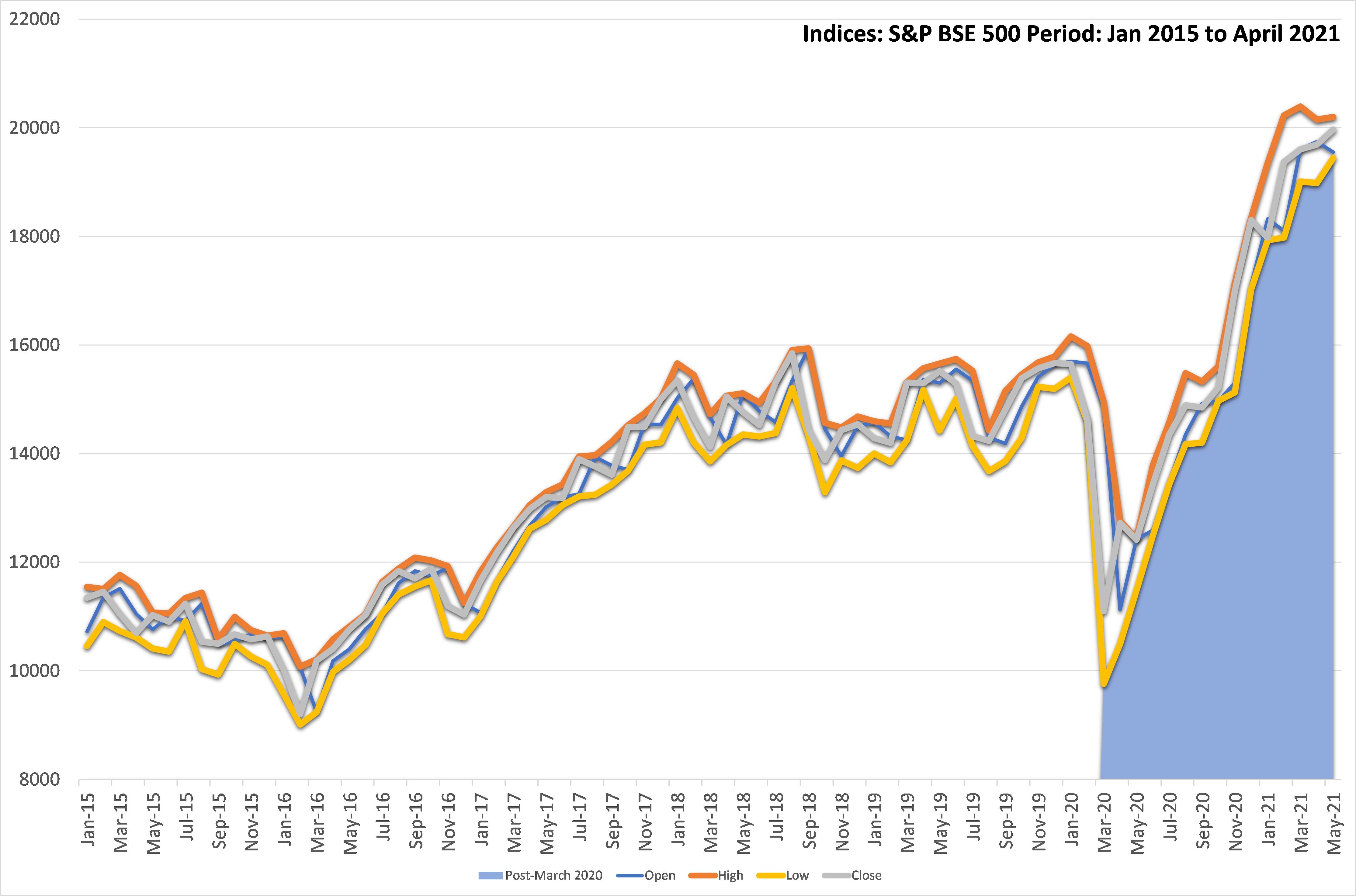
Indian stock market indices, including the Nifty 50 and Sensex, saw active tracking during a live trading session on Friday, July 17, 2026.
Real-time monitoring of these indices allows traders and investors to react to volatility and shift portfolios as market conditions change. The tracking provides a snapshot of broader economic sentiment and the health of the National Stock Exchange and Bombay Stock Exchange.
Moneycontrol hosted a live broadcast to provide continuous updates on the Nifty 50, Sensex, Bank Nifty, and Mid-cap indices [1]. The coverage also included live monitoring of rupee rates to provide a comprehensive view of the financial landscape [1]. This digital broadcast served as a primary tool for market enthusiasts to follow index movements throughout the day.
According to reports from Hindustan Business Line, the Nifty 50 level reached approximately 24,270 points [2]. Meanwhile, the Sensex neared the 78,000-point mark [2]. These figures represent the collective value of the top companies listed on the respective exchanges.
The live coverage window operated from 9:15 a.m. to 3:30 p.m. IST [1]. This timeframe aligns with the standard trading hours for the Indian markets, ensuring that all volatility from the opening bell to the closing bell was captured in the stream [1].
Market analysts used the data to observe how the Bank Nifty and Mid-cap indices performed relative to the larger benchmarks. The integration of rupee rate tracking provided necessary context for foreign institutional investors who must account for currency fluctuations when trading in Indian equities [1].
“The Nifty 50 level reached approximately 24,270 points”
The focus on real-time digital tracking reflects the increasing reliance of Indian retail investors on live streaming data over traditional delayed reports. By monitoring the Nifty 50 and Sensex alongside rupee rates, investors are attempting to hedge against both equity volatility and currency risk in a globalized trading environment.


