Indian equity markets suffered significant losses on June 23, 2026, as the Sensex and Nifty indexes plummeted during a day of heavy trading [1], [2].
This downturn reflects a sudden increase in global risk aversion. The volatility suggests that investors are reacting swiftly to external shocks, which could signal a broader period of instability for emerging markets if geopolitical pressures persist.
Reports on the magnitude of the crash varied across platforms. One report said the Sensex plunged nearly 1,700 points [1], while another source said it recorded a drop of approximately 900 points [2]. This discrepancy highlights the rapid fluctuations occurring throughout the trading session.
The Nifty index also faced a steep decline. Some data said the index slipped below the 23,900 mark [1], while other reports said the closing level was below 23,850 [2].
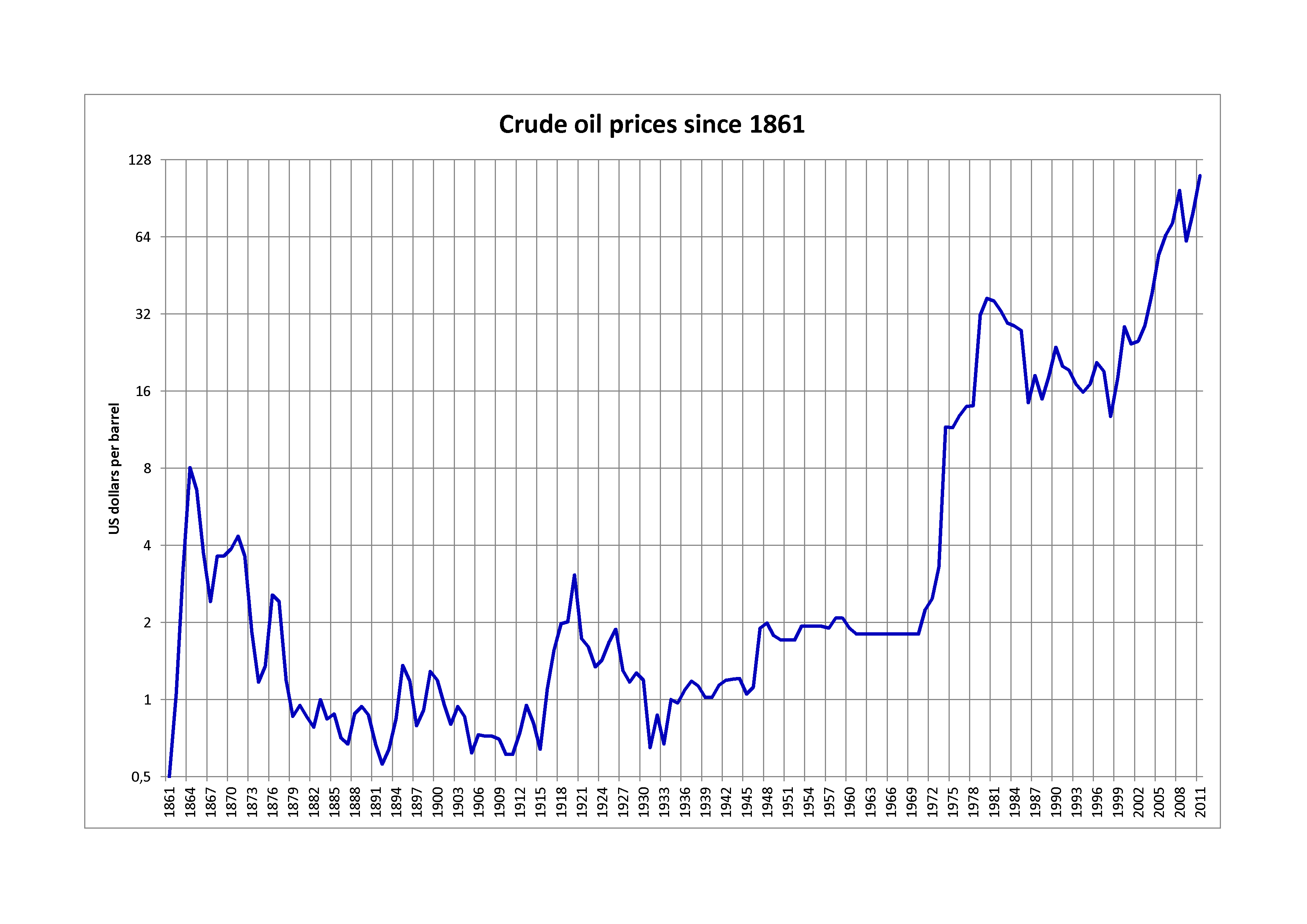
Market analysts said the sell-off was due to escalating geopolitical tensions and a sharp spike in global risk aversion [1]. These factors were compounded by rising crude-oil prices, which typically pressure the Indian economy due to its high dependence on energy imports [1].
In addition to the index drops, the India VIX, a measure of market volatility, jumped sharply [1]. This increase in the VIX indicates that traders expect higher price swings in the near term, often leading to further cautious behavior among institutional investors.
The combined effect of these pressures created a volatile environment for both retail and institutional participants on India’s major stock exchanges, including the Bombay Stock Exchange and the National Stock Exchange [1].
“The Sensex plunged nearly 1,700 points”
The sharp decline in Indian equities underscores the vulnerability of the domestic market to external shocks, particularly energy price spikes and geopolitical instability. Because India is a major oil importer, rising crude prices directly impact the trade deficit and corporate earnings, making the market a bellwether for global risk sentiment.


