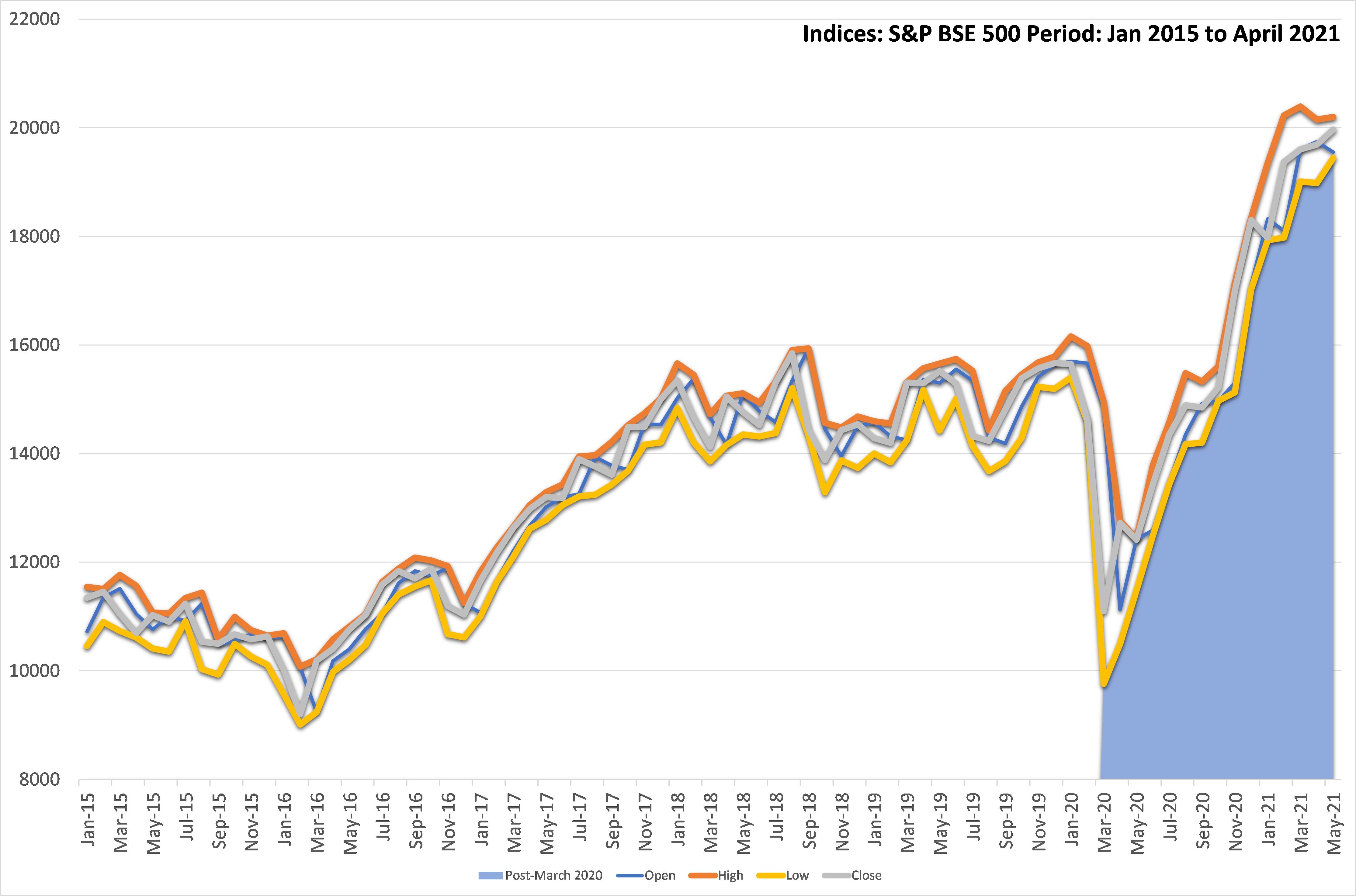
The Indian stock market ended Monday with the Sensex settling 1,073 points higher [1].
This surge reflects a broader shift in investor sentiment, which is currently being driven by geopolitical expectations and commodity price volatility. The movement suggests a cautious but optimistic approach among traders as they weigh international diplomacy against domestic economic indicators.
Trading activity at the National Stock Exchange in Mumbai showed significant momentum during the final hour of the session [1]. The Nifty index also demonstrated strength, trading above 24,000 [1]. These gains come as market participants track potential developments regarding a peace deal between the U.S. and Iran, which could stabilize global energy markets.
Oil-price movements have remained a focal point for investors, as fluctuations in crude costs directly impact India's trade balance and inflation rates [1]. Sector-specific news also contributed to the day's volatility, with various industries reacting to updated corporate guidance and macroeconomic data [1].
While today's session showed strong growth, the market has experienced varying levels of stability in recent weeks. For instance, on May 22, the Sensex rose by 231 points [2], while the Nifty ended that specific session at 23,719 [2]. Other reports from that same period noted the Sensex settling 232 points higher [3] and the Nifty remaining above 23,700 [3].
These fluctuations highlight the sensitivity of the Indian indices to both global geopolitical shifts and internal sector performance. The contrast between the current surge and the more modest gains seen earlier this month underscores the volatility inherent in the current trading environment.
“The Sensex settled 1,073 points higher”
The significant jump in the Sensex and Nifty indicates that Indian investors are currently prioritizing geopolitical optimism over immediate domestic headwinds. By reacting positively to the prospect of a US-Iran peace deal, the market is signaling that a reduction in global oil volatility is viewed as a primary catalyst for growth. This suggests that the Indian equity market remains highly susceptible to external shocks and diplomatic breakthroughs in the Middle East.


