Indian stock market indices opened lower on Wednesday as rising crude oil prices and geopolitical instability weighed on investor sentiment [1], [2].
The downturn reflects the vulnerability of the Indian economy to global energy shocks. Because India imports a significant portion of its oil, price spikes often trigger inflation concerns and pressure the national currency, leading to cautious trading in the equity markets [2], [3].
The Sensex fell by more than 420 points at the market open [3]. Simultaneously, the Nifty index showed a decline of approximately 100 points [3]. Earlier signals from the Gift Nifty indicated a gap-down opening, with the index trading around 23,413 points [1]. This represented a discount of about 199 points from the previous close of Nifty futures [1].
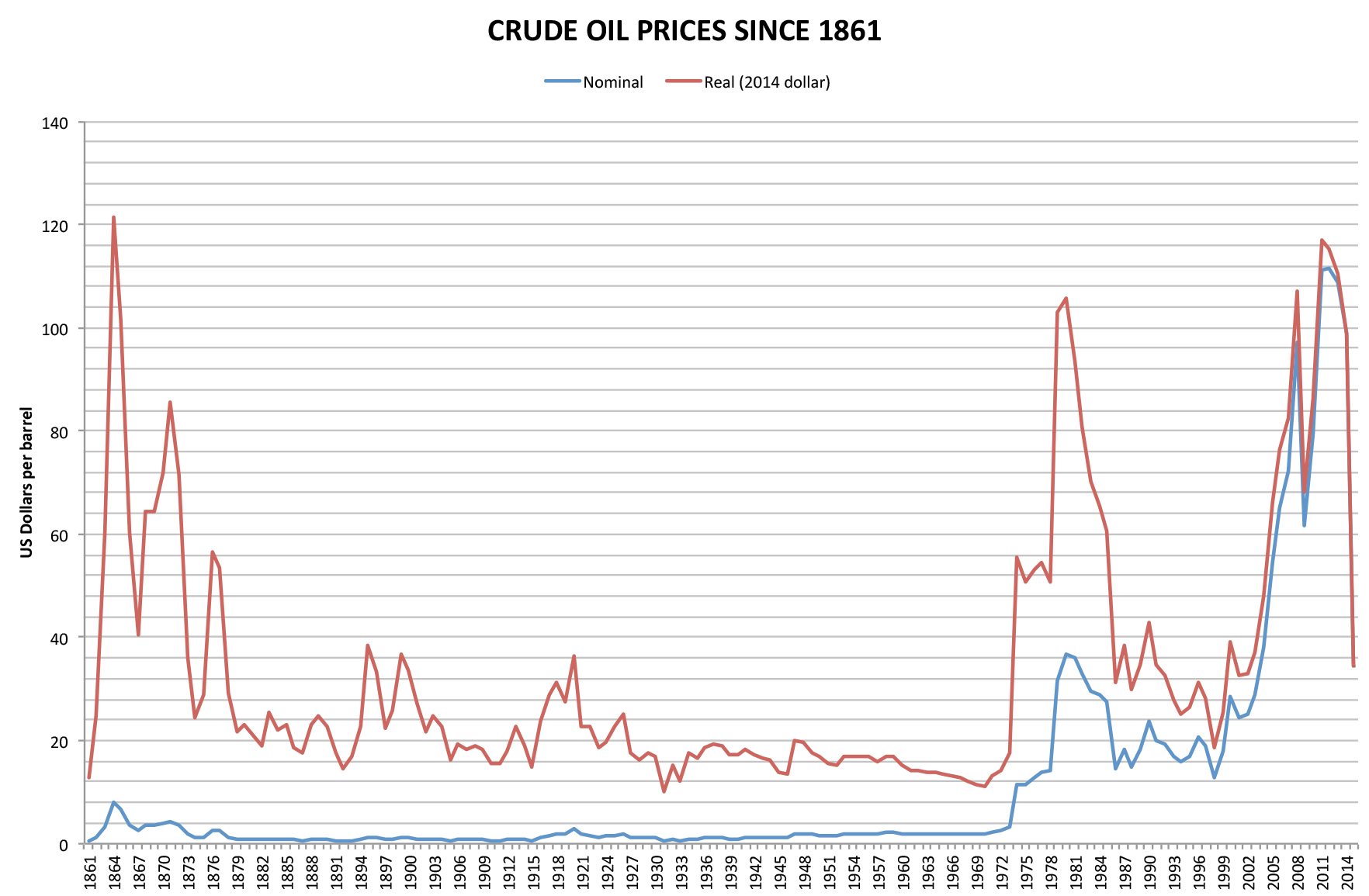
Global energy markets experienced significant volatility as crude oil prices climbed above $110 per barrel [3]. Market analysts said this surge was linked to a fresh escalation in the conflict between the U.S. and Iran, specifically focusing on tensions in the Strait of Hormuz region [1], [3].
Investors reacted to these weak global signals with caution. The combination of escalating warfare and the resulting spike in energy costs created a risk-off environment, prompting a sell-off in major Indian indices [2], [3]. While some reports indicated Nifty consolidating near 23,600, the early trading data showed a more pronounced dip [1], [2].
“Sensex fell by more than 420 points at the market open”
The immediate correlation between US-Iran tensions and the Indian stock market highlights the systemic risk posed by energy dependency. A sustained oil price above $110 per barrel could increase the current account deficit and fuel domestic inflation, potentially forcing the Reserve Bank of India to maintain higher interest rates to stabilize the rupee.