
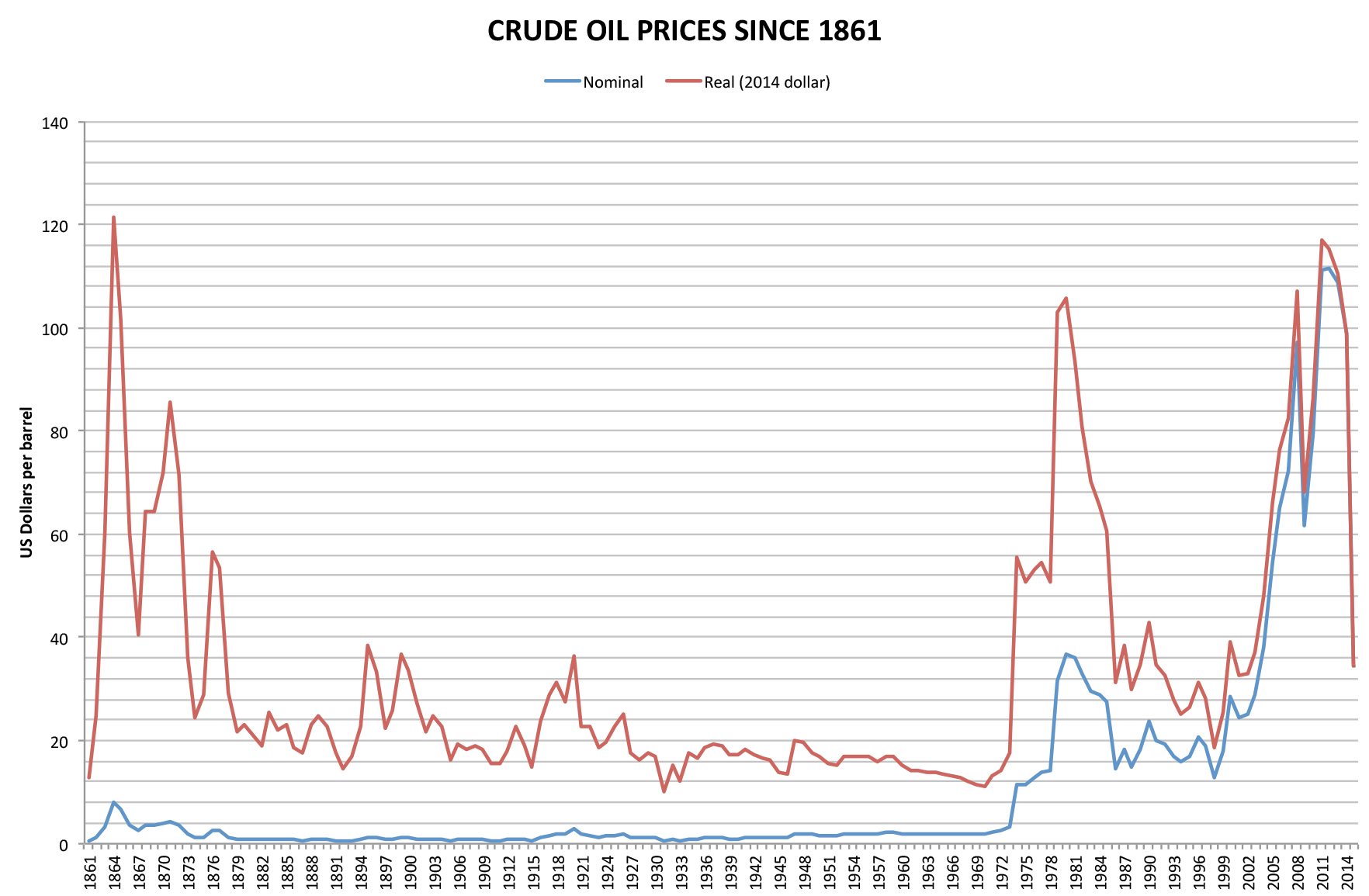
Indian benchmark equity indices surged on Monday as global crude oil prices fell below $100 per barrel [1].
This rally reflects the sensitivity of the Indian economy to energy costs. Because India imports a vast majority of its oil, a drop in crude prices reduces the inflationary pressure on the economy and improves corporate profit margins.
The BSE Sensex rose 892.05 points, or 1.18%, to reach 76,307.40 in early trade [2]. By the close of the session on May 25, the Sensex had climbed further to finish at 76,488.96, representing a total gain of 1,073.61 points, or 1.42% [4].
Similarly, the NSE Nifty rose 259.50 points, or 1.09%, to 23,978.80 during early trading [3]. The index eventually closed at 24,031.70, an increase of 312.40 points, or 1.32% [5].
Market analysts said the surge was due to increased investor sentiment driven by hopes for a peace deal between the U.S. and Iran [1]. The prospect of stabilized diplomatic relations between the two nations has prompted a sell-off in oil futures, pushing prices below the $100 threshold [1].
This optimism triggered widespread buying across Indian equities. Investors reacted positively to the potential for lower energy costs, which typically boosts domestic consumption and lowers the cost of production for various industrial sectors [1].
“Indian benchmark equity indices surged on Monday as global crude oil prices fell below $100 per barrel.”
The immediate correlation between the Sensex rally and the dip in crude oil prices underscores India's vulnerability to global energy volatility. While diplomatic progress between the U.S. and Iran provides short-term relief, the market's sharp reaction indicates that energy costs remain a primary driver of investor confidence and macroeconomic stability in the region.


