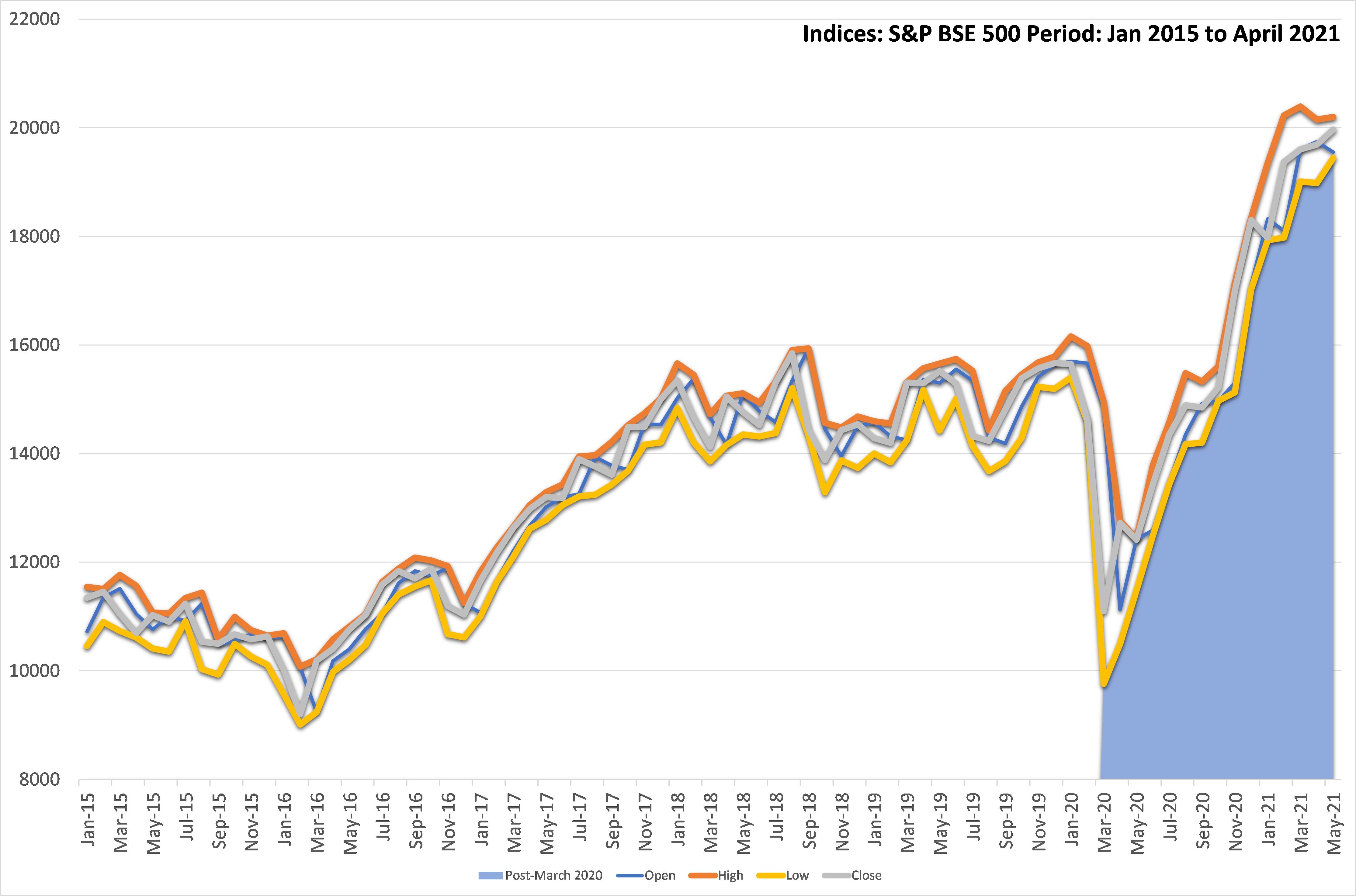
Indian stocks rose Friday as the rupee recovered for a second consecutive day [1].
This market movement occurs as investors balance domestic financial gains against significant geopolitical instability. The lack of a clear resolution regarding a U.S.-Iran deal continues to weigh on global sentiment, creating a cautious environment for long-term trading.
According to CNBC TV18, there is currently no clarity on the status of the U.S.-Iran deal [1]. This uncertainty persists even as local indicators show resilience. The rupee's two-day recovery suggests a stabilizing domestic currency environment, though the broader market remains sensitive to international diplomatic breakthroughs.
Corporate earnings reports provided a mixed landscape for investors. Nykaa and Honasa both reported jumps in profit [1]. Conversely, MaxHealth failed to meet estimates for both revenue and margins during the fourth quarter [1].
Activity in the block-deal sector also saw a significant rush. This surge involved several high-profile entities, including Paytm, Pine Labs, and JSW Cement [1]. These large-scale trades indicate a period of active repositioning among institutional investors as they navigate the current economic volatility.
Market participants are closely monitoring the interplay between these corporate results and the diplomatic stalemate. While individual company growth in the beauty and wellness sectors provides a boost, the failure of healthcare giants to hit targets and the looming shadow of U.S.-Iran negotiations keep the rally tempered.
“Indian stocks rose Friday as the rupee recovered for a second consecutive day”
The divergence between rising stock indices and geopolitical uncertainty suggests that domestic corporate strength and currency stability are currently offsetting global risks. However, the reliance on specific sector profits—like those seen in Nykaa and Honasa—versus the misses by MaxHealth indicates a fragmented recovery that remains vulnerable to external diplomatic shocks.


