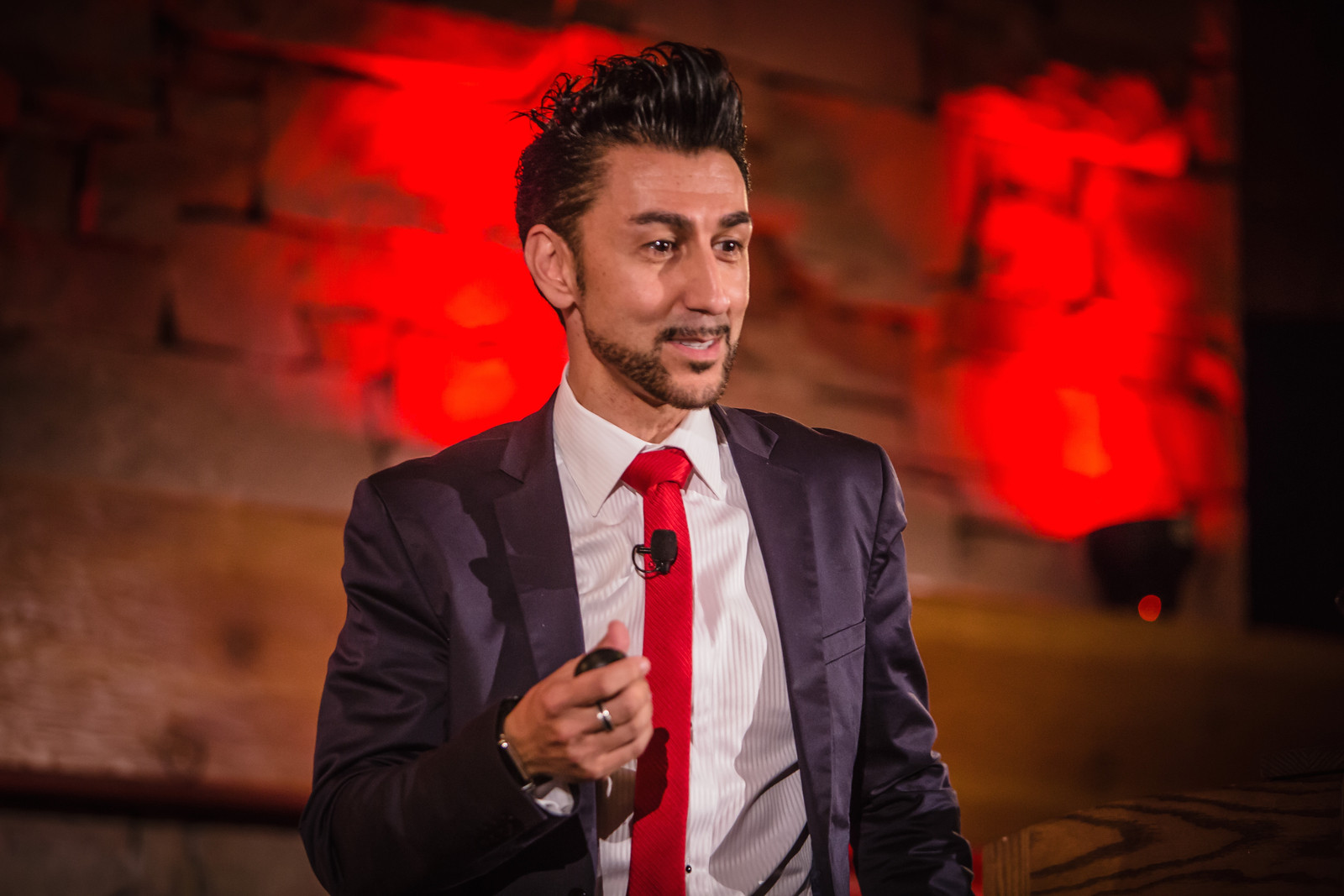
Infosys CEO Salil Parekh said he is departing from the company during the first-quarter earnings call on Thursday.
The transition occurs as one of the world's largest IT services firms navigates a volatile global economy and a fundamental shift in how enterprises adopt artificial intelligence. Parekh's exit marks the end of a leadership period defined by significant scale and expansion.
During the call, Parekh addressed the company's financial outlook, which included a revised revenue guidance. The company cut its growth targets, citing global macroeconomic uncertainty as the primary driver for the adjustment [2]. This reduction reflects a broader trend in the tech sector where cautious corporate spending has slowed the pace of large-scale digital transformations.
Despite the guidance cut, Parekh focused on the company's trajectory in the artificial intelligence sector. He outlined a growth strategy centered on scaling AI-driven services and securing large deal wins to maintain competitiveness [1], [2]. The company intends to leverage these AI capabilities to offset the headwinds caused by the current economic climate.
Reflecting on his tenure, the scale of the company's growth was highlighted. Revenue grew from $10 billion to $20 billion during Parekh's time as CEO [1]. This doubling of revenue underscores the company's expansion into new markets and service lines before the current pivot toward generative AI.
Infosys continues to focus on large-scale contracts to stabilize its pipeline. The leadership transition will likely coincide with the implementation of the new AI strategy as the company seeks a successor capable of managing the transition from traditional IT outsourcing to AI-integrated services [1], [2].
“Infosys CEO Salil Parekh announced his departure from the company during the first-quarter earnings call.”
The simultaneous announcement of a CEO departure and a revenue guidance cut suggests a pivotal inflection point for Infosys. By linking the transition to a new AI-focused growth strategy, the company is signaling to investors that its previous growth model—which saw revenue double under Parekh—must evolve to survive macroeconomic instability and the disruptive nature of artificial intelligence.


