
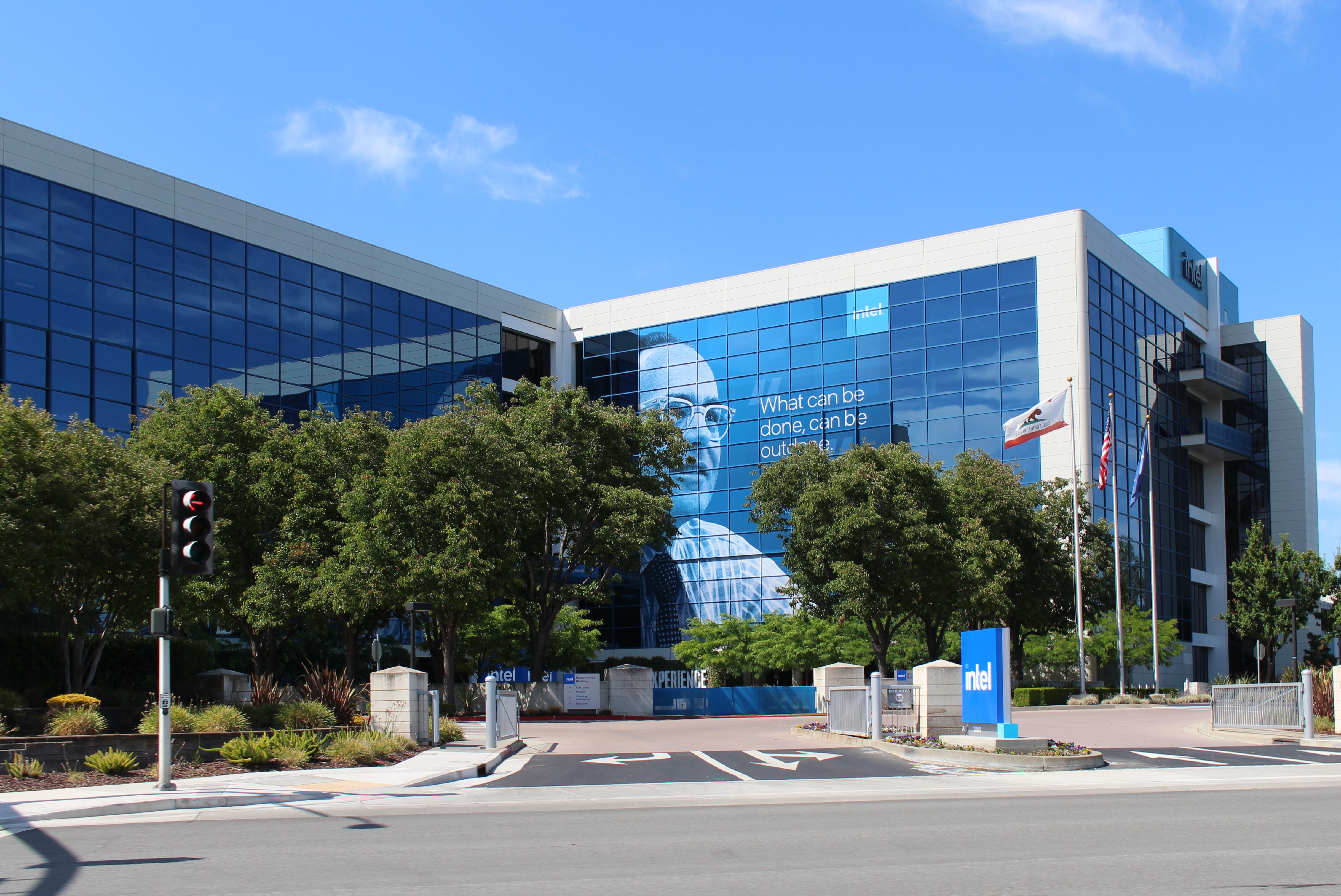
Intel's ability to produce advanced semiconductor chips could strengthen the U.S. economy by providing critical domestic manufacturing capabilities [1, 2].
This development matters because the U.S. currently relies heavily on foreign supply chains for the high-end chips that power modern technology. Establishing a domestic source for these components would mitigate risks associated with geopolitical instability and trade disruptions.
Patrick McGee said the strategic importance of these chips extends beyond simple manufacturing. He said, "If Intel can start making chips as advanced as the Taiwanese do, it could help secure America's 21st‑century economy" [2].
Achieving this parity with Taiwanese manufacturers would represent a significant shift in the global technology landscape. Currently, Taiwan remains the primary source for the most sophisticated semiconductors used in artificial intelligence and high-performance computing [2].
If Intel successfully scales these advanced capabilities, the U.S. would reduce its vulnerability to external shocks in the chip market. Such a transition would ensure that essential industries, from telecommunications to defense, have a stable and internal supply of hardware [1, 2].
The push for domestic production is part of a broader effort to ensure the U.S. remains competitive in the global digital economy. By shifting the production of cutting-edge silicon to U.S. soil, the country can better protect its economic interests and technological sovereignty [2].
“Intel's ability to produce advanced semiconductor chips could strengthen the U.S. economy.”
The viability of Intel's advanced chip production is not merely a corporate success story but a matter of national economic security. By reducing dependence on Taiwanese fabrication, the U.S. aims to decouple its critical infrastructure from a single geographic point of failure, thereby stabilizing the supply chain for the next generation of computing technology.


'%2F%3E%0A%20%20%20%20%3Crect%20width%3D'1600'%20height%3D'900'%20fill%3D'url(%23v)'%2F%3E%0A%20%20%20%20%3Cg%20opacity%3D'0.08'%20fill%3D'%23ffffff'%3E%0A%20%20%20%20%20%20%3Ccircle%20cx%3D'1420'%20cy%3D'180'%20r%3D'220'%2F%3E%0A%20%20%20%20%20%20%3Ccircle%20cx%3D'1500'%20cy%3D'760'%20r%3D'120'%2F%3E%0A%20%20%20%20%3C%2Fg%3E%0A%20%20%20%20%3Cline%20x1%3D'80'%20y1%3D'172'%20x2%3D'220'%20y2%3D'172'%20stroke%3D'%23ffffff'%20stroke-width%3D'3'%20stroke-opacity%3D'0.6'%2F%3E%0A%20%20%20%20%3Ctext%20x%3D'80'%20y%3D'140'%20font-family%3D'Inter%2C%20-apple-system%2C%20Helvetica%2C%20sans-serif'%20font-weight%3D'700'%20font-size%3D'28'%20fill%3D'%23ffffff'%20letter-spacing%3D'6'%3EHANNA%20%C2%B7%20NEWS%3C%2Ftext%3E%0A%20%20%20%20%3Ctext%20x%3D'80'%20y%3D'230'%20font-family%3D'Inter%2C%20-apple-system%2C%20Helvetica%2C%20sans-serif'%20font-weight%3D'600'%20font-size%3D'40'%20fill%3D'%23ffffffb3'%20letter-spacing%3D'4'%3EWORLD%3C%2Ftext%3E%0A%20%20%20%20%3Ctext%20x%3D'80'%20y%3D'622'%20font-family%3D'Playfair%20Display%2C%20Georgia%2C%20serif'%20font-weight%3D'800'%20font-size%3D'86'%20fill%3D'%23ffffff'%20letter-spacing%3D'-1'%3EHotel%20Fire%20in%20Delhi%20Kills%3C%2Ftext%3E%3Ctext%20x%3D'80'%20y%3D'721'%20font-family%3D'Playfair%20Display%2C%20Georgia%2C%20serif'%20font-weight%3D'800'%20font-size%3D'86'%20fill%3D'%23ffffff'%20letter-spacing%3D'-1'%3E21%2C%20Including%20Many%20Foreign%3C%2Ftext%3E%3Ctext%20x%3D'80'%20y%3D'820'%20font-family%3D'Playfair%20Display%2C%20Georgia%2C%20serif'%20font-weight%3D'800'%20font-size%3D'86'%20fill%3D'%23ffffff'%20letter-spacing%3D'-1'%3ENationals%3C%2Ftext%3E%0A%20%20%20%20%3Ctext%20x%3D'80'%20y%3D'870'%20font-family%3D'Inter%2C%20-apple-system%2C%20Helvetica%2C%20sans-serif'%20font-weight%3D'500'%20font-size%3D'22'%20fill%3D'%23ffffff66'%20letter-spacing%3D'2'%3Enews.hanna-ai.com%3C%2Ftext%3E%0A%20%20%3C%2Fsvg%3E)
