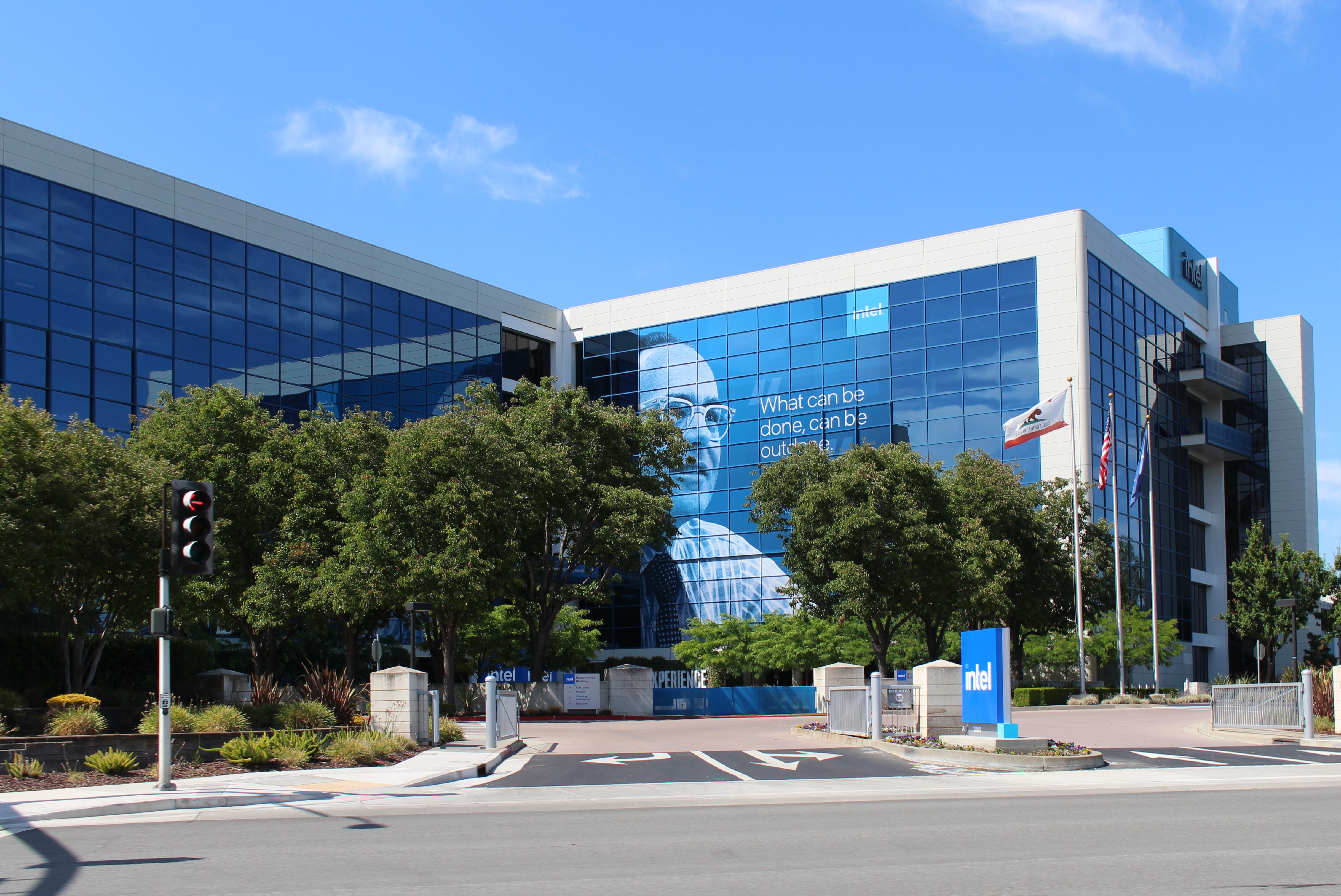
Intel discovered that alpha particles emitted from ceramic packaging caused bit flips in DRAM chips during the 1970s [1].
This discovery highlighted a critical vulnerability in hardware manufacturing where the very materials meant to protect a chip could inadvertently destroy its data. The phenomenon demonstrated that subatomic interference can lead to systemic computer failure, forcing a shift in how semiconductors are encased.
The issue centered on the ceramic encasement used for the memory chips. These materials emitted alpha particles, which are a type of ionizing radiation. When these particles struck the silicon of the DRAM chips, they triggered a process that flipped bits, changing a 1 to a 0 [1].
Because DRAM relies on the precise storage of electrical charges to maintain data, a single bit flip can corrupt a piece of information. In the context of the 1970s [1], this led to unpredictable chip damage and overall system instability. The particles did not physically break the chip in a macroscopic sense, but they altered the logical state of the memory.
Engineers had to analyze the composition of the packaging to identify the source of the radiation. By isolating the alpha particles to the ceramic material, Intel was able to understand why certain batches of chips failed while others remained stable. This required a move toward materials with lower radioactive impurities to ensure that the packaging remained inert.
The event serves as an early example of soft errors in computing. Unlike hard errors, which result from permanent physical damage to a circuit, these bit flips were transient events caused by external environmental factors, even when those factors were built into the product itself [1].
“Alpha particles emitted from the ceramic packaging of DRAM chips were flipping bits.”
This historical case illustrates the beginning of the industry's struggle with 'soft errors.' It established the necessity for high-purity materials in semiconductor fabrication and paved the way for modern error-correction code (ECC) memory, which detects and fixes similar bit flips caused by cosmic rays or radioactive decay in modern hardware.
'%2F%3E%0A%20%20%20%20%3Crect%20width%3D'1600'%20height%3D'900'%20fill%3D'url(%23v)'%2F%3E%0A%20%20%20%20%3Cg%20opacity%3D'0.08'%20fill%3D'%23ffffff'%3E%0A%20%20%20%20%20%20%3Ccircle%20cx%3D'1420'%20cy%3D'180'%20r%3D'220'%2F%3E%0A%20%20%20%20%20%20%3Ccircle%20cx%3D'1500'%20cy%3D'760'%20r%3D'120'%2F%3E%0A%20%20%20%20%3C%2Fg%3E%0A%20%20%20%20%3Cline%20x1%3D'80'%20y1%3D'172'%20x2%3D'220'%20y2%3D'172'%20stroke%3D'%23ffffff'%20stroke-width%3D'3'%20stroke-opacity%3D'0.6'%2F%3E%0A%20%20%20%20%3Ctext%20x%3D'80'%20y%3D'140'%20font-family%3D'Inter%2C%20-apple-system%2C%20Helvetica%2C%20sans-serif'%20font-weight%3D'700'%20font-size%3D'28'%20fill%3D'%23ffffff'%20letter-spacing%3D'6'%3EHANNA%20%C2%B7%20NEWS%3C%2Ftext%3E%0A%20%20%20%20%3Ctext%20x%3D'80'%20y%3D'230'%20font-family%3D'Inter%2C%20-apple-system%2C%20Helvetica%2C%20sans-serif'%20font-weight%3D'600'%20font-size%3D'40'%20fill%3D'%23ffffffb3'%20letter-spacing%3D'4'%3ESCIENCE%3C%2Ftext%3E%0A%20%20%20%20%3Ctext%20x%3D'80'%20y%3D'622'%20font-family%3D'Playfair%20Display%2C%20Georgia%2C%20serif'%20font-weight%3D'800'%20font-size%3D'86'%20fill%3D'%23ffffff'%20letter-spacing%3D'-1'%3ECleveland%20Clinic%20Highlights%3C%2Ftext%3E%3Ctext%20x%3D'80'%20y%3D'721'%20font-family%3D'Playfair%20Display%2C%20Georgia%2C%20serif'%20font-weight%3D'800'%20font-size%3D'86'%20fill%3D'%23ffffff'%20letter-spacing%3D'-1'%3ELung%20Cancer%20Screening%3C%2Ftext%3E%3Ctext%20x%3D'80'%20y%3D'820'%20font-family%3D'Playfair%20Display%2C%20Georgia%2C%20serif'%20font-weight%3D'800'%20font-size%3D'86'%20fill%3D'%23ffffff'%20letter-spacing%3D'-1'%3EServices%3C%2Ftext%3E%0A%20%20%20%20%3Ctext%20x%3D'80'%20y%3D'870'%20font-family%3D'Inter%2C%20-apple-system%2C%20Helvetica%2C%20sans-serif'%20font-weight%3D'500'%20font-size%3D'22'%20fill%3D'%23ffffff66'%20letter-spacing%3D'2'%3Enews.hanna-ai.com%3C%2Ftext%3E%0A%20%20%3C%2Fsvg%3E)

