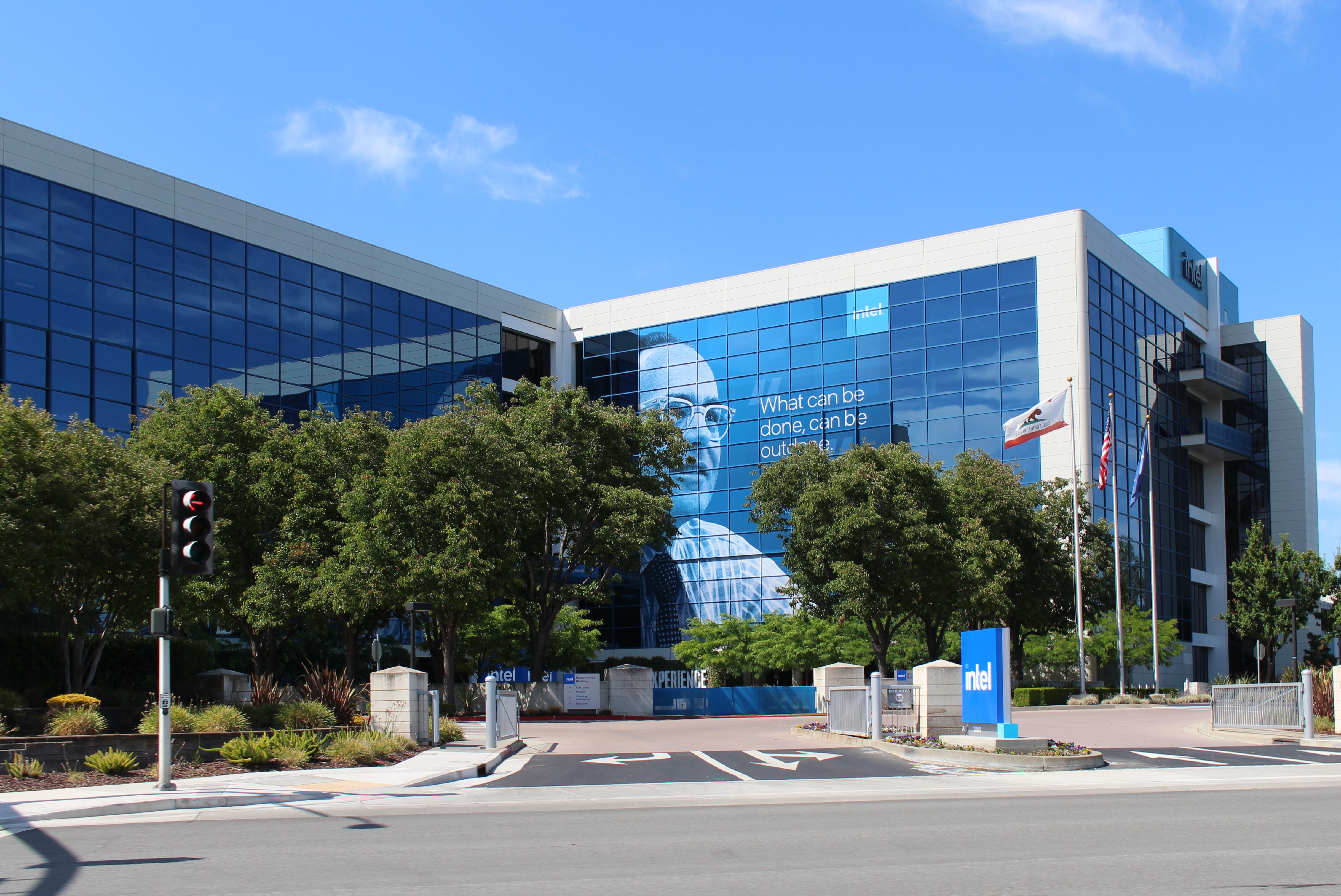
Former Intel CEO Pat Gelsinger said the company's decline began years before his return to the chipmaker in 2021 [1].
This assessment highlights a systemic failure in leadership and strategy at one of the world's most influential semiconductor companies. If the roots of the downfall precede Gelsinger's tenure, it suggests that the current crisis is the result of long-term institutional decay rather than recent operational errors.
Gelsinger said the company's struggles were due to an over-reliance on financial metrics [1]. He said that a focus on short-term financial returns took precedence over long-term technology investment [1]. This shift in priority allegedly left the company vulnerable as competitors accelerated their technical capabilities.
According to Gelsinger, the decline was further compounded by a lack of deep technical expertise among leadership [1]. He said that the absence of technical leadership prevented the company from navigating complex engineering challenges effectively. This gap in expertise coincided with a period of large shareholder payouts, which diverted capital away from critical research and development [1].
Beyond internal mismanagement, Gelsinger said geopolitical risks were a contributing factor to the company's instability [1]. The intersection of these external pressures and internal financial priorities created a precarious environment for the chipmaker.
"I think one of the fundamental things is …" Gelsinger said, reflecting on the core drivers of the company's downturn [1].
“Intel's decline began years before his 2021 return”
Gelsinger's critique suggests that Intel suffered from 'financialization,' where the goal of maximizing shareholder value through payouts and metrics superseded the engineering excellence that originally built the company. By identifying a lack of technical leadership and a failure to hedge against geopolitical volatility, Gelsinger frames Intel's current state as a cautionary tale of how neglecting R&D in favor of short-term balance sheets can erode a competitive moat in the high-stakes semiconductor industry.


