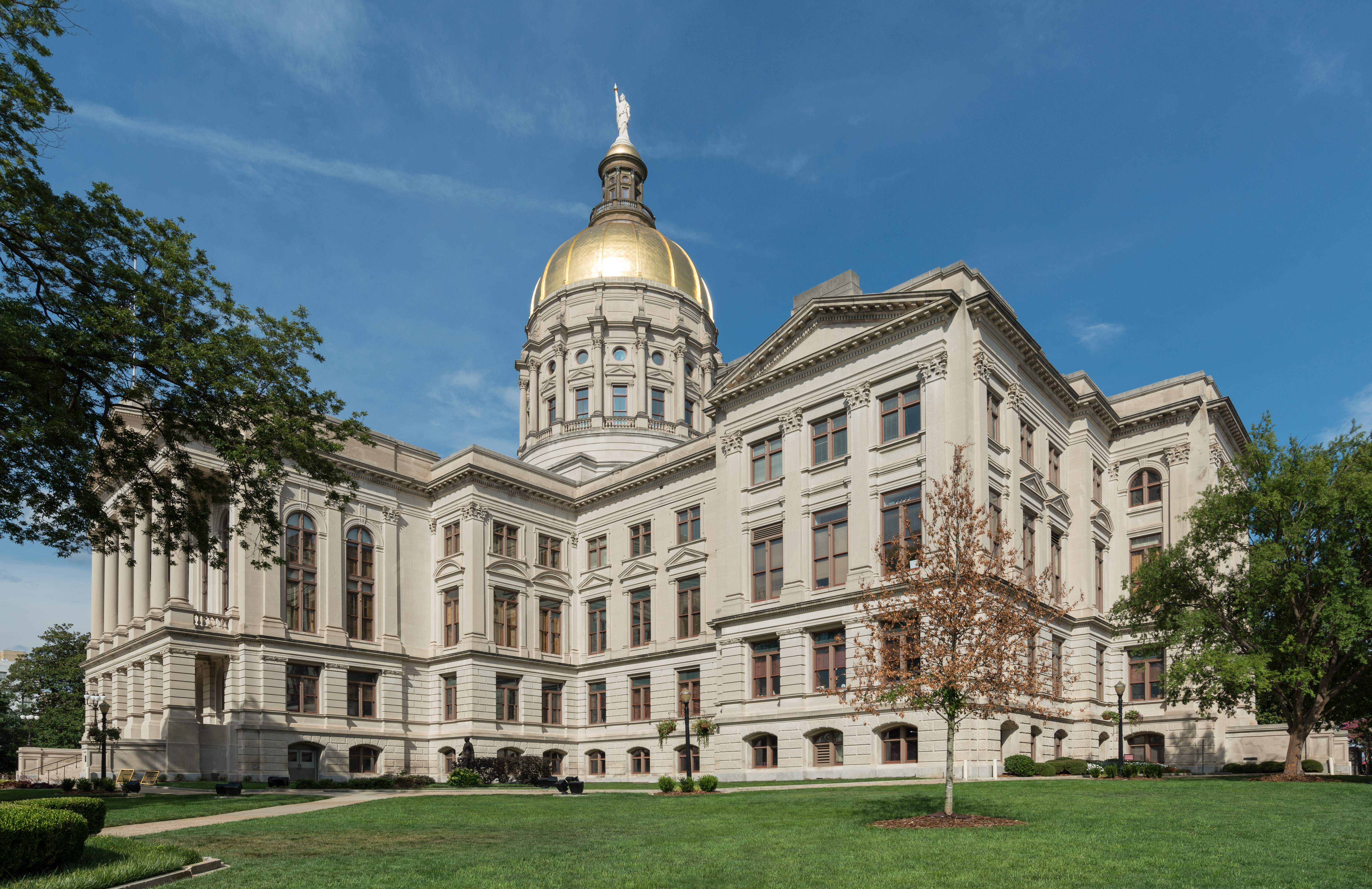
Iowa voters prepare to cast ballots for federal and state offices during primary elections on Tuesday, June 2, 2026 [3].
The elections serve as a critical barometer for the agricultural sector, where farmers are weighing the impact of national economic policies against their political loyalties.
Economic anxiety is prevalent among the state's farming community. Many producers have expressed concern regarding the U.S. economy and the specific influence of President Trump's policies on the agriculture industry [1]. This tension is evident in recent data showing that 13 farmers surveyed said they are struggling economically [4].
Despite these financial hardships, political alignment remains complex. Of those 13 farmers reporting economic struggle, 11 said they have voted for Trump in the past [5]. This suggests a disconnect between immediate financial distress and partisan preference, a trend that could influence the outcome of the primary contests.
Some farmers remain hopeful that the administration will address their concerns. Survey respondents said they are hoping "he follows through" on his promises [6].
The primary elections will determine the candidates for several key roles, including the Senate and the governorship [2]. As the June 2 date approaches, the intersection of trade policy and rural income continues to dominate the conversation in Iowa's voting precincts.
“13 farmers surveyed said they are struggling economically”
The Iowa primaries highlight a significant tension between economic reality and political loyalty. When a high percentage of struggling voters continue to support the incumbent's party, it suggests that cultural identity or specific policy promises may outweigh immediate financial instability in the rural electorate.