
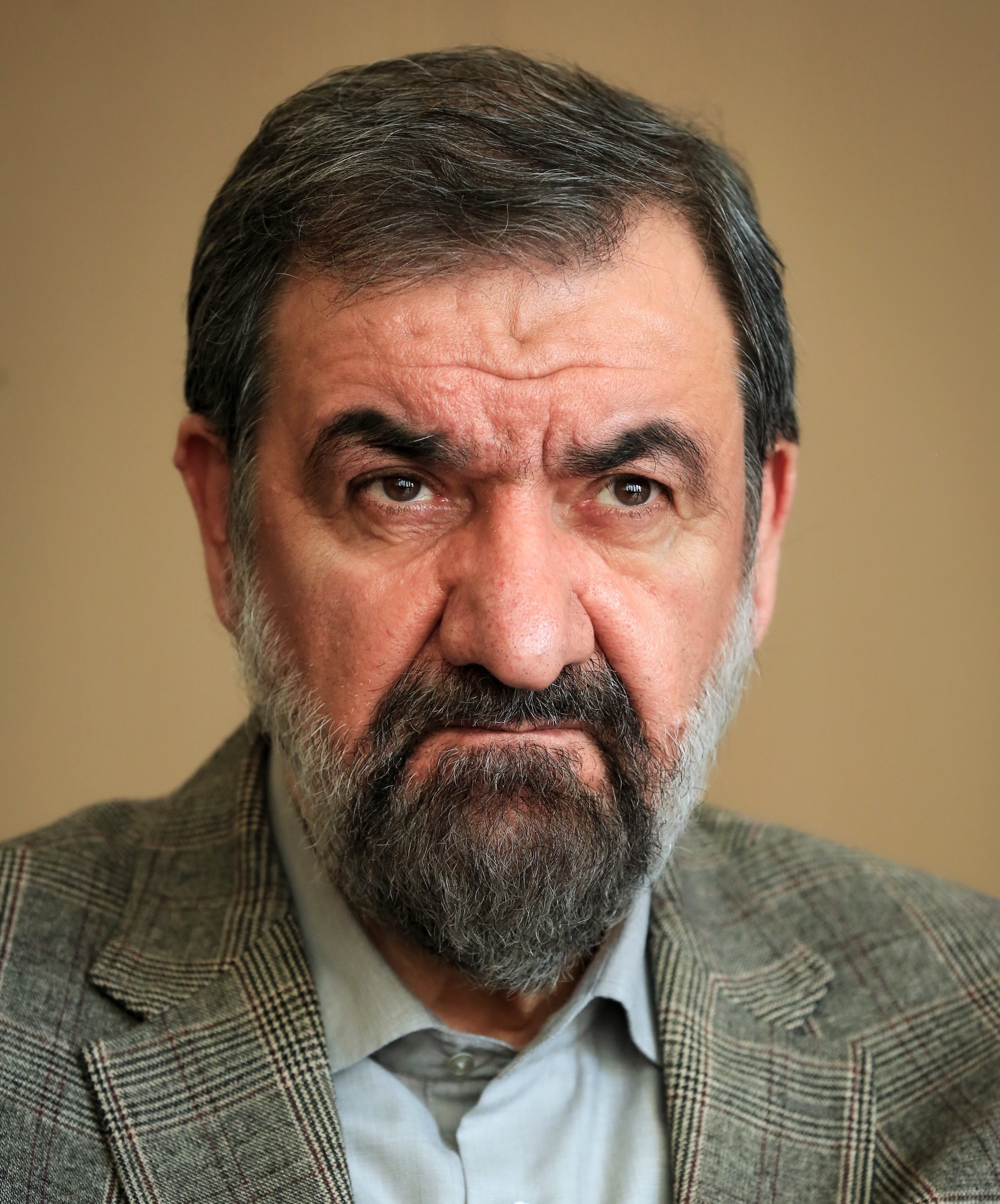
Mohsen Rezaee, a senior adviser to Iran's Supreme Leader, issued warnings to the UAE, Bahrain, and Kuwait regarding their foreign alliances [1].
These statements signal a heightening of tensions in the Persian Gulf, as Tehran attempts to discourage regional neighbors from maintaining security dependencies on the United States or strengthening ties with Israel.
Rezaee said the three Gulf nations should not rely on U.S. power for their security [1]. He said that countries providing support to Israel could face consequences for those actions [1].
The adviser's remarks specifically targeted the United Arab Emirates, Bahrain, and Kuwait, framing their current geopolitical strategies as precarious. He said that the belief in a U.S. rescue is misplaced, a sentiment intended to undermine the strategic partnerships between Washington and the Gulf monarchies.
Beyond diplomatic warnings, Rezaee referenced territorial issues involving Abu Dhabi and Kuwait [1]. These comments introduce a layer of volatility to the region's maritime and land border stability, as Iran suggests that territorial claims could become a point of contention.
Throughout the address, Rezaee emphasized that regional stability should not be predicated on external Western influence. He said that the current trajectory of these nations could lead to repercussions that the U.S. would not be able to mitigate [1].
“Countries that back Israel could face consequences.”
This rhetoric reflects Iran's broader strategy to diminish U.S. influence in the Persian Gulf and isolate Israel regionally. By combining security threats with mentions of territorial disputes in Abu Dhabi and Kuwait, Tehran is using psychological pressure to force Gulf states to reconsider their security architectures and diplomatic alignments.


