Iranian Foreign Minister Abbas Araghchi called a recent U.S.-Israeli strike on Iran an "unprovoked aggression" during a conference in Delhi [1].
The remarks signal a deepening diplomatic rift between Tehran and Washington, potentially stalling negotiations and increasing regional instability as Iran seeks support from non-Western powers.
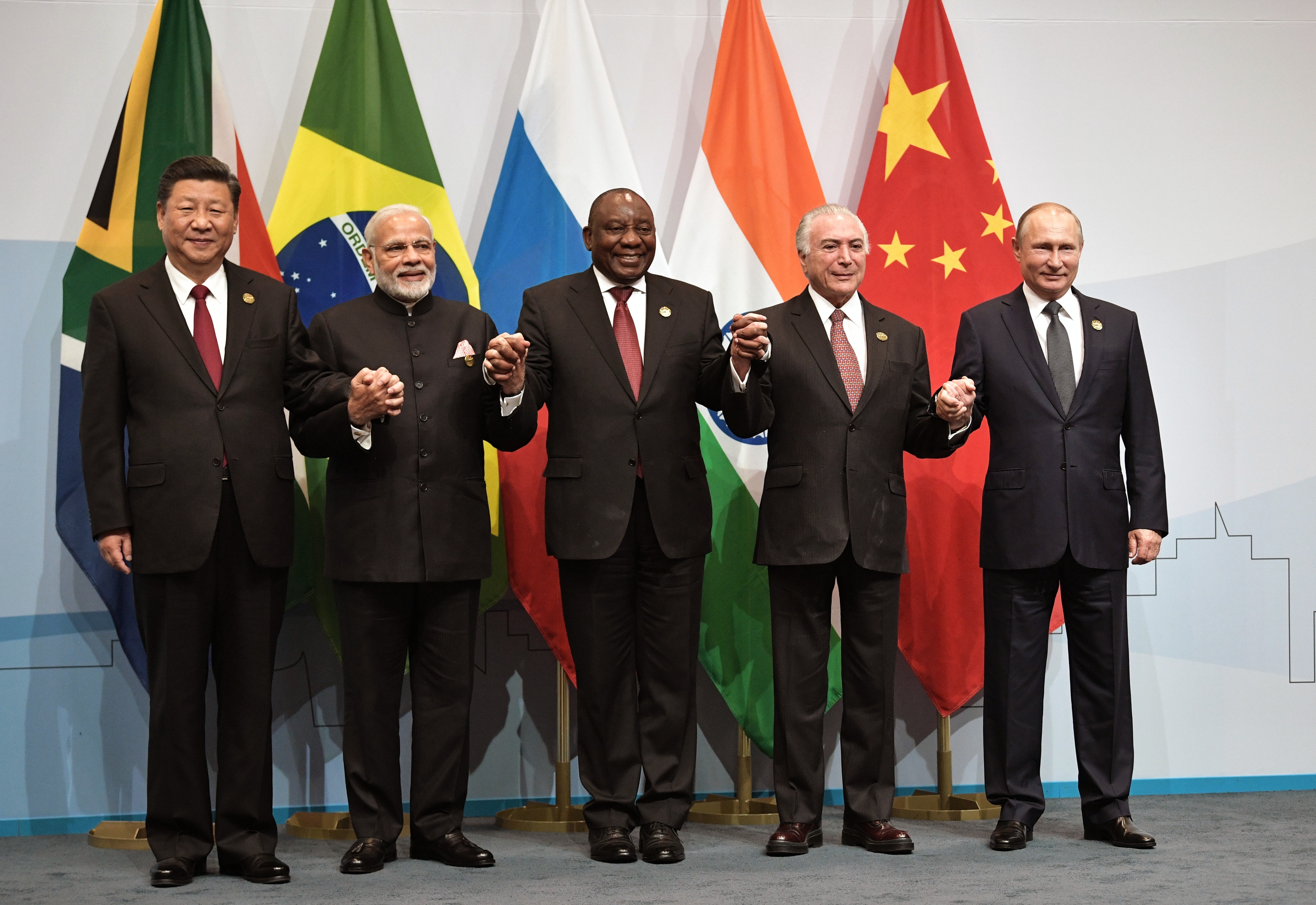
Speaking at a conference held alongside the BRICS summit in Delhi, Araghchi urged member nations to condemn the attack [1]. He said the strike was an unprovoked act by the United States and Israel that threatens regional peace and undermines ongoing negotiations [1], [2].
Araghchi said Iran has no trust in the U.S. following the military action [2]. This lack of trust, according to the minister, makes further diplomatic engagement difficult after the aggression [2].
Reports on the incident vary regarding the parties involved. While some accounts attribute the strike to the U.S. and Israel [1], [2], other reports indicate that Araghchi also accused the United Arab Emirates of direct involvement in military operations against Iran [3].
The call for BRICS nations to issue a collective condemnation reflects Iran's strategy to pivot toward an alternative geopolitical bloc for security and diplomatic legitimacy. By framing the strike as a violation of sovereignty during a major international summit, Tehran aims to isolate the U.S. and Israel on the global stage.
Araghchi said the military actions were a clear breach of international norms. He said the actions of the U.S. and Israel serve to destabilize the Middle East, a region already fraught with tension [1], [2].
“"unprovoked aggression"”
By leveraging the BRICS platform in Delhi, Iran is attempting to shift the narrative of regional conflict from a bilateral dispute with the U.S. and Israel to a broader systemic clash. The accusation against the UAE suggests Iran may perceive a wider coalition of regional adversaries, while the public rejection of U.S. trust indicates that diplomatic channels for nuclear or security agreements are likely frozen.