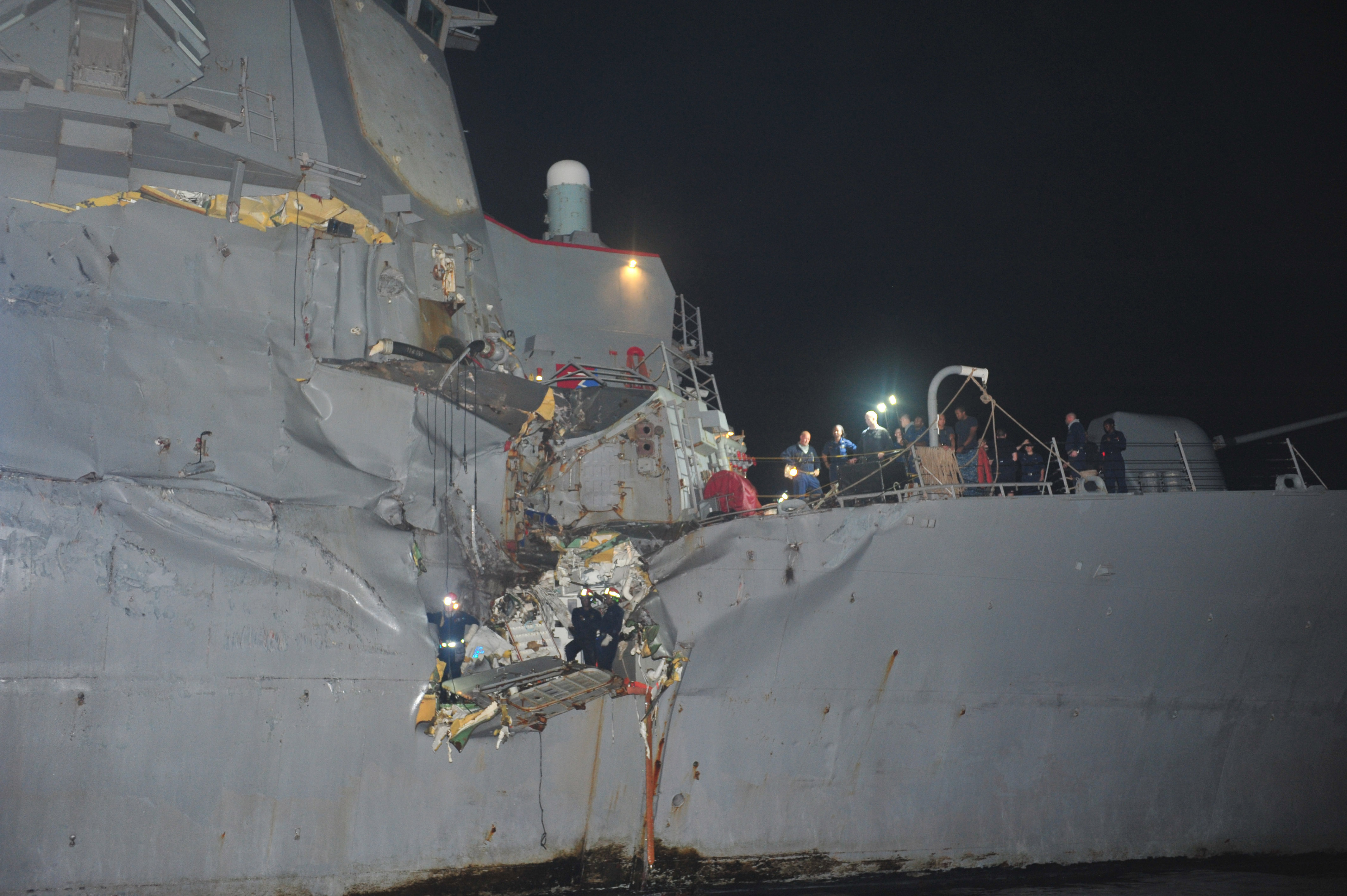
Missile and drone attacks attributed to Iran struck the United Arab Emirates, including Dubai, triggering emergency alerts and air-raid sirens on Monday [1, 2, 3].
The escalation follows a strike on a tanker in the Strait of Hormuz and threatens the stability of a fragile cease-fire in the Gulf region [2, 3].
Reports indicate that air-defense intercepts were heard around 8 a.m. (0500 GMT) [3]. The attacks occurred shortly after a tanker was hit in the Strait of Hormuz, an area critical for global energy transit [1, 2].
In a related military engagement, U.S. forces destroyed six Iranian boats that were attempting to interfere with operations [2]. The strikes against the UAE are alleged to be retaliatory actions by Iran in response to perceived threats to its interests [1, 2, 3].
In Dubai, the sudden activation of emergency alert systems caused widespread panic among residents. The UAE is home to roughly 60,000 expatriates and people from about 200 nationalities [1]. Despite the sirens, some expatriates reported feeling safe during the incident [1].
Kuwait also reportedly came under attack by missiles during the same window of escalation [3]. The coordinated nature of these strikes suggests a broader regional strategy by Iran to project power following the Hormuz tanker incident [2, 3].
“Air-defense intercepts were heard around 8 a.m. (0500 GMT)”
The simultaneous targeting of the UAE and Kuwait, combined with the U.S. destruction of Iranian naval assets, indicates a high risk of regional escalation. By striking multiple Gulf states following a maritime incident in the Strait of Hormuz, Iran is signaling that it considers the security of the waterway and its own interests as justification for expanding the conflict beyond a single point of friction.


