Iran launched drone and missile attacks against critical infrastructure in the United Arab Emirates on Monday [3].
The strikes signal a dangerous escalation in regional tensions, specifically targeting the UAE's energy and nuclear sectors to pressure a key Western ally in the Gulf.
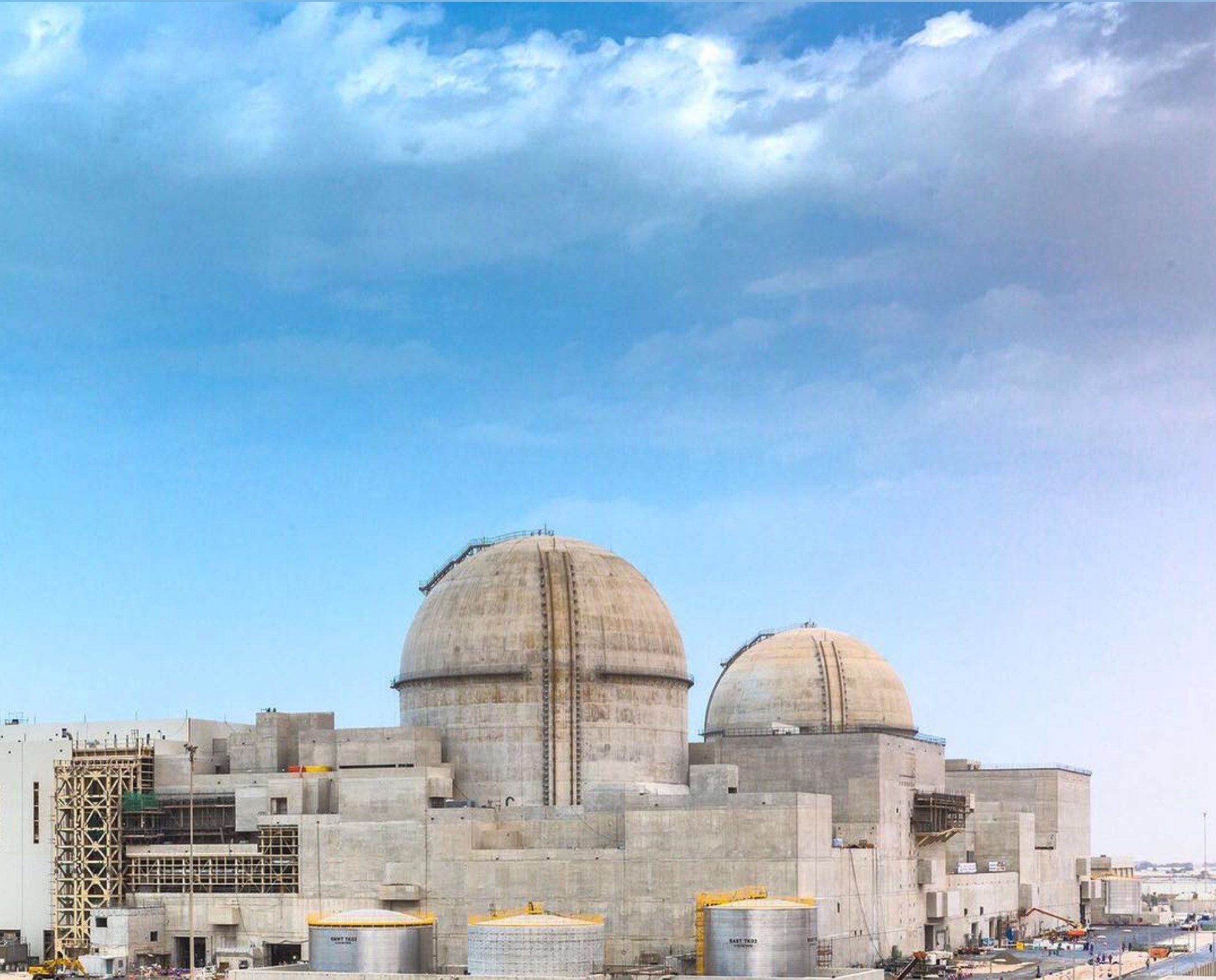
Iranian forces targeted the Barakah nuclear power plant located in the Abu Dhabi emirate [1, 2]. The attacks also struck the Fujairah oil terminal, a vital hub for global energy exports [1, 2].
Reports indicate that three Indian workers were wounded during the strike on the Fujairah oil terminal [2].
These military actions occur amid a fragile ceasefire between the U.S. and Iran [3]. Analysts said the strikes are a response to rising Middle East tensions and an effort by Iran to exert pressure on the UAE due to its close ties with the West [1, 3].
The targeting of a nuclear facility and a primary oil terminal represents a significant shift in the focus of the conflict. Both sites are essential to the UAE's economic stability and national security, and their vulnerability highlights the risks facing regional infrastructure during geopolitical volatility.
“Iran launched drone and missile attacks against critical infrastructure in the United Arab Emirates on Monday.”
The targeting of the Barakah nuclear plant and the Fujairah oil terminal suggests Iran is willing to risk high-stakes escalation by hitting strategic energy assets. By attacking the UAE, Iran may be attempting to bypass direct confrontation with the U.S. while still signaling its capability to disrupt global oil markets and threaten nuclear safety in the region.


