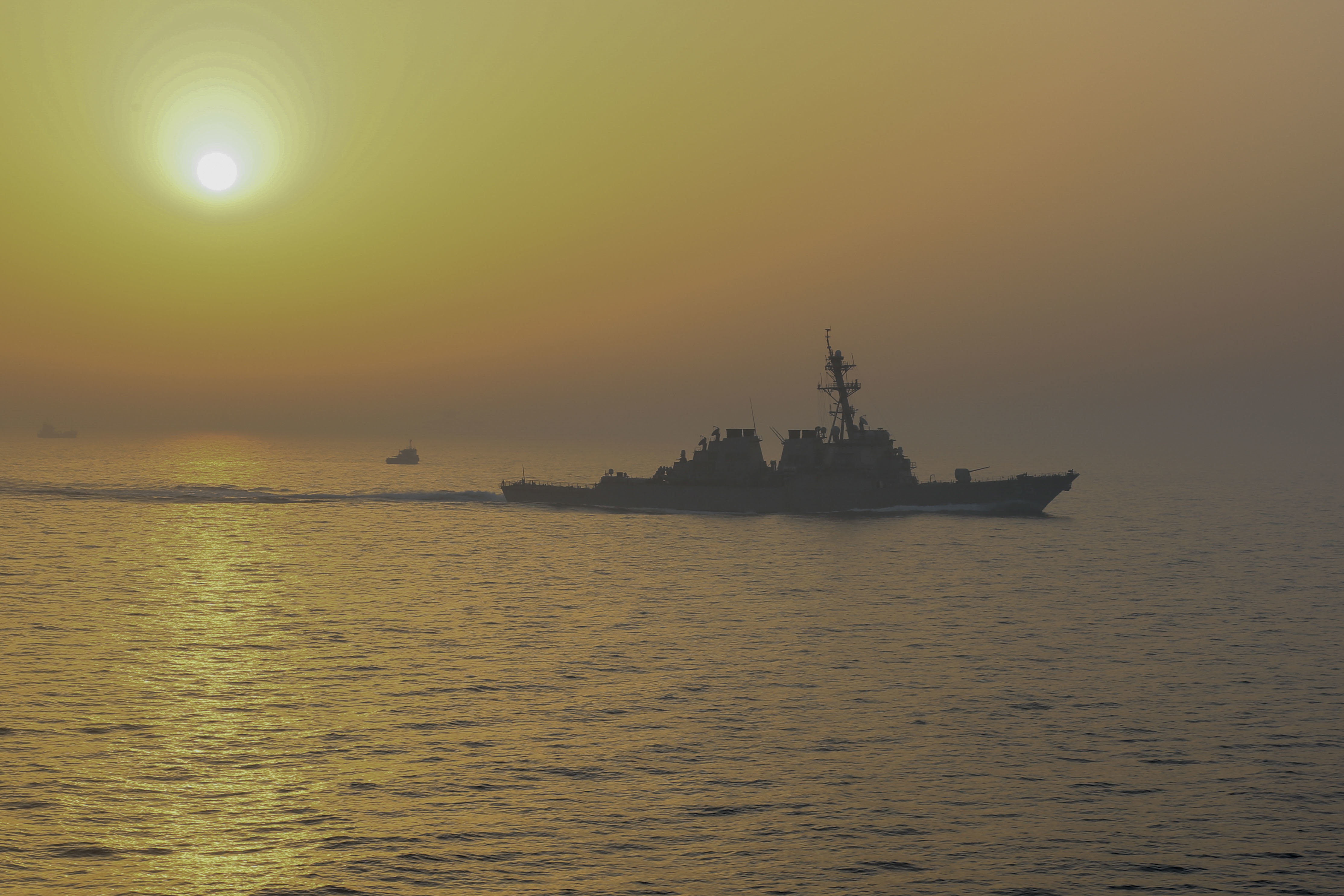
The High Joint Command of the Iranian Armed Forces announced the closure of the Strait of Hormuz to all maritime navigation on Thursday [1], [2], [3], [4], [5].
This move threatens to disrupt one of the world's most critical energy corridors. Because the strait is the primary transit point for oil tankers and commercial vessels, a total blockade could trigger immediate volatility in global energy markets and destabilize regional security.
According to the Iranian military command, the decision to block the waterway includes the restriction of oil tankers and commercial ships [1]. The command said the action is a response to what it described as U.S. and Israeli violations of a ceasefire memorandum of understanding [2], [4], [5].
Iranian officials characterized these alleged violations as acts of aggression [2], [4], [5]. In a statement, the High Joint Command said the decision was made on the background of these violations [4].
Reports indicate that the military command is threatening to target ships attempting to cross the strait [3]. The closure affects the narrow passage located between the coasts of Iran and Oman [1], [2], [3], [4], [5].
No specific timeline for the duration of the closure was provided in the initial announcements. The Iranian military has not detailed the exact nature of the violations attributed to U.S. and Israeli forces, other than labeling them as breaches of the agreed-upon memorandum [2], [4], [5].
“إغلاق مضيق هرمز أمام حركة الملاحة، بما في ذلك ناقلات النفط والسفن التجارية”
The closure of the Strait of Hormuz represents a significant escalation in regional tensions. By targeting commercial shipping and oil tankers, Iran is utilizing its geographic leverage to pressure the US and Israel over the implementation of ceasefire terms. This action places global oil supplies at risk and increases the likelihood of a direct military confrontation in the Persian Gulf.