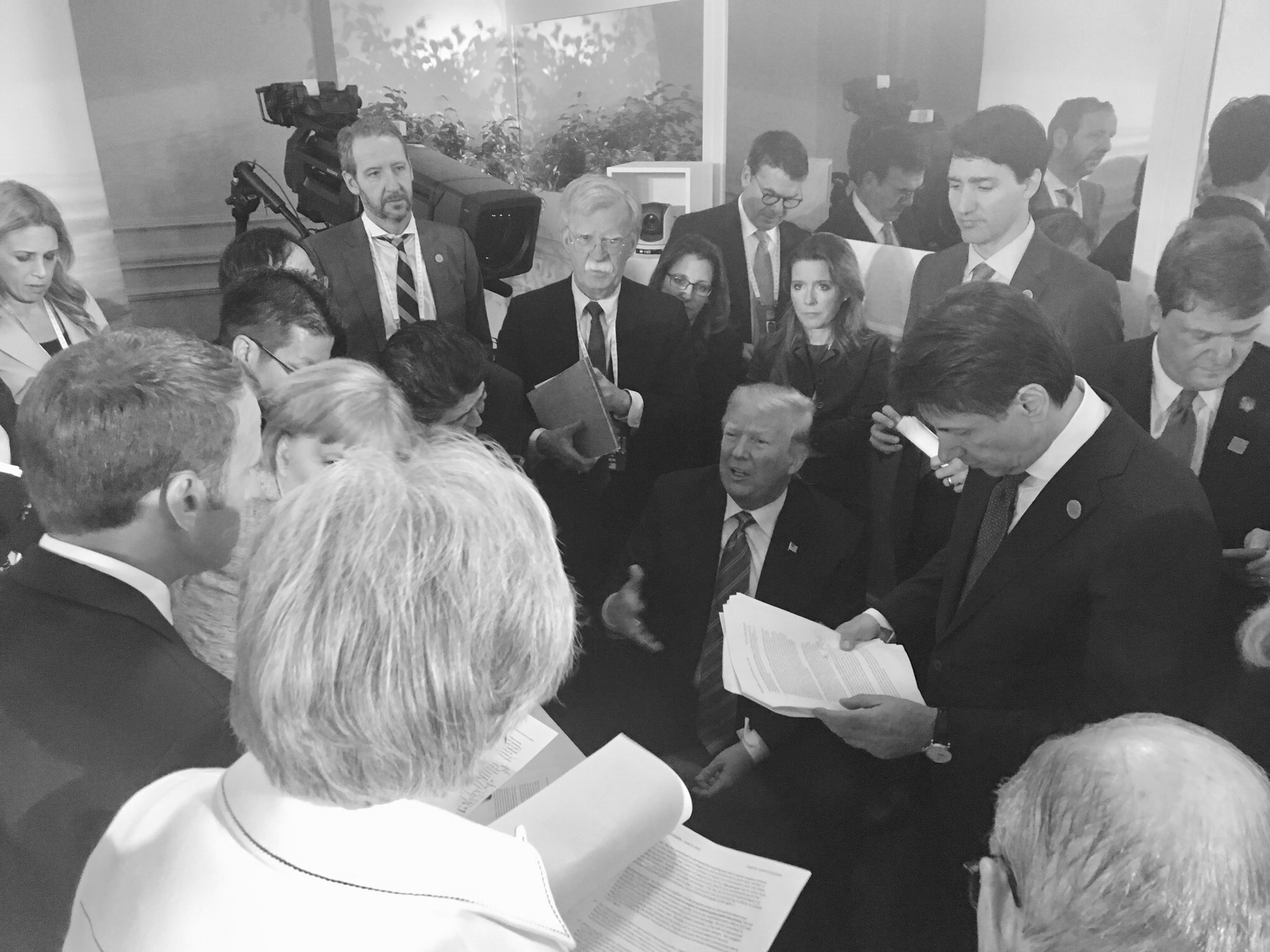
Iranian leaders denied on Tuesday that they have agreed to allow United Nations nuclear inspectors into the country [1, 2].
The dispute highlights a significant gap between the diplomatic narratives of Washington and Tehran regarding the monitoring of Iran's nuclear program. Because nuclear inspections are the primary mechanism for preventing weapons proliferation, contradictory claims about access create uncertainty regarding global security and the status of diplomatic negotiations.
Donald Trump said, "Iran has fully and completely agreed to the highest level nuclear inspections" [3]. This statement coincided with announcements from U.S. officials on Tuesday regarding a reached agreement [4, 2]. U.S. Deputy Secretary of State Victoria Nuland (Vance) said that Iran would allow the inspectors [5].
However, the government of Tehran refuted these claims. An unnamed Iranian official said, "Tehran denies the United States' claims that Iran has agreed to allow UN inspectors" [2]. This rejection suggests that the two nations are operating from different understandings of the recent diplomatic discussions, or that the reported agreement has not been formally ratified by Iranian leadership.
The contradictions extend across international reporting. Some outlets, including the Times of Israel, reported that Iran invited UN nuclear inspectors back into the country and described the move as a major milestone [6]. Conversely, TRT World reported that Iranian leaders rejected the U.S. claims that international inspectors would gain access to nuclear sites [1].
Tehran's denial comes as the U.S. seeks to maintain pressure on Iran's nuclear capabilities while exploring diplomatic channels. The conflicting reports on Tuesday leave the actual status of the inspection regime unclear to the international community [1, 2, 4].
“"Iran has fully and completely agreed to the highest level nuclear inspections."”
The stark contradiction between U.S. and Iranian statements suggests a failure in diplomatic synchronization or a deliberate strategy of misinformation by one party. If the U.S. is announcing an agreement that Tehran immediately denies, it indicates that either the deal is non-binding, the terms are being misinterpreted, or the agreement has collapsed before it could be publicly acknowledged by both sides.


'%2F%3E%0A%20%20%20%20%3Crect%20width%3D'1600'%20height%3D'900'%20fill%3D'url(%23v)'%2F%3E%0A%20%20%20%20%3Cg%20opacity%3D'0.08'%20fill%3D'%23ffffff'%3E%0A%20%20%20%20%20%20%3Ccircle%20cx%3D'1420'%20cy%3D'180'%20r%3D'220'%2F%3E%0A%20%20%20%20%20%20%3Ccircle%20cx%3D'1500'%20cy%3D'760'%20r%3D'120'%2F%3E%0A%20%20%20%20%3C%2Fg%3E%0A%20%20%20%20%3Cline%20x1%3D'80'%20y1%3D'172'%20x2%3D'220'%20y2%3D'172'%20stroke%3D'%23ffffff'%20stroke-width%3D'3'%20stroke-opacity%3D'0.6'%2F%3E%0A%20%20%20%20%3Ctext%20x%3D'80'%20y%3D'140'%20font-family%3D'Inter%2C%20-apple-system%2C%20Helvetica%2C%20sans-serif'%20font-weight%3D'700'%20font-size%3D'28'%20fill%3D'%23ffffff'%20letter-spacing%3D'6'%3EHANNA%20%C2%B7%20NEWS%3C%2Ftext%3E%0A%20%20%20%20%3Ctext%20x%3D'80'%20y%3D'230'%20font-family%3D'Inter%2C%20-apple-system%2C%20Helvetica%2C%20sans-serif'%20font-weight%3D'600'%20font-size%3D'40'%20fill%3D'%23ffffffb3'%20letter-spacing%3D'4'%3EWORLD%3C%2Ftext%3E%0A%20%20%20%20%3Ctext%20x%3D'80'%20y%3D'622'%20font-family%3D'Playfair%20Display%2C%20Georgia%2C%20serif'%20font-weight%3D'800'%20font-size%3D'86'%20fill%3D'%23ffffff'%20letter-spacing%3D'-1'%3ETwo%20Arrested%20in%20Gurugram%20for%3C%2Ftext%3E%3Ctext%20x%3D'80'%20y%3D'721'%20font-family%3D'Playfair%20Display%2C%20Georgia%2C%20serif'%20font-weight%3D'800'%20font-size%3D'86'%20fill%3D'%23ffffff'%20letter-spacing%3D'-1'%3EForging%20Forensic%20Report%20in%3C%2Ftext%3E%3Ctext%20x%3D'80'%20y%3D'820'%20font-family%3D'Playfair%20Display%2C%20Georgia%2C%20serif'%20font-weight%3D'800'%20font-size%3D'86'%20fill%3D'%23ffffff'%20letter-spacing%3D'-1'%3EPunjab%20CM%20Video%20Row%3C%2Ftext%3E%0A%20%20%20%20%3Ctext%20x%3D'80'%20y%3D'870'%20font-family%3D'Inter%2C%20-apple-system%2C%20Helvetica%2C%20sans-serif'%20font-weight%3D'500'%20font-size%3D'22'%20fill%3D'%23ffffff66'%20letter-spacing%3D'2'%3Enews.hanna-ai.com%3C%2Ftext%3E%0A%20%20%3C%2Fsvg%3E)