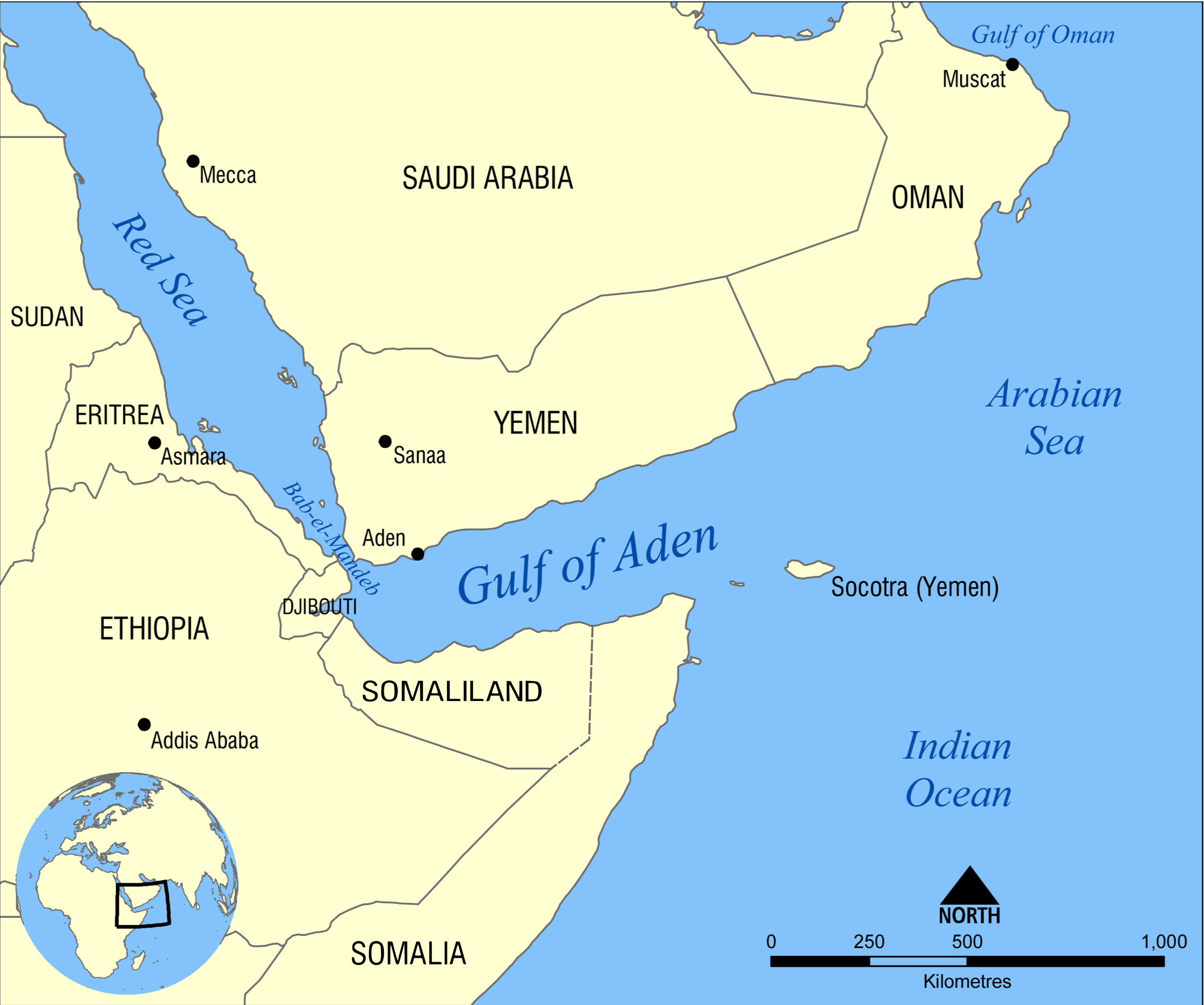
Iran has asked Yemen's Houthi rebels to prepare for a possible closure of the Bab el-Mandeb Strait if U.S. strikes target Iranian infrastructure [1].
This move threatens one of the world's most critical maritime chokepoints, potentially disrupting global oil supplies and international trade routes. Because the strait serves as the gateway to the Red Sea, a closure would force ships to take longer, more expensive routes, which would likely spike energy prices and impact economies heavily reliant on these lanes, including India [1, 2].
The strategy appears designed to pressure the U.S. and retaliate for military actions against Iranian assets [1, 2]. By leveraging the Houthi rebels, Iran can project power outside its immediate borders and create a global economic crisis without directly engaging in a full-scale naval blockade of its own [2, 4].
This tension follows a period of escalating friction in the region. The U.S. has already implemented measures to manage shipping risks, including the imposition of a 20% fee for shipping through the Strait of Hormuz [5]. This previous move highlights the volatility of the region's primary transit points and the financial toll of ongoing instability.
Maritime analysts said that while the Strait of Hormuz is often the primary focus of Iranian threats, the Bab el-Mandeb Strait provides a different strategic lever [2, 4]. A shutdown there would not only affect oil, but also a vast array of container ships moving between Asia and Europe [1].
Officials in India said they are monitoring the situation closely due to the country's high dependence on oil imports and the volume of trade passing through the Red Sea [1]. The potential for a synchronized crisis in both the Strait of Hormuz and the Bab el-Mandeb could create an unprecedented bottleneck for global commerce [2].
“Iran has asked Yemen's Houthi rebels to prepare for a possible closure of the Bab el-Mandeb Strait.”
The threat to close the Bab el-Mandeb Strait represents a shift in Iranian strategy toward 'corridor warfare,' where maritime chokepoints are used as diplomatic and economic leverage. By utilizing the Houthi rebels as a proxy, Iran creates a scenario where the U.S. must choose between escalating military intervention or accepting significant global economic instability. For countries like India, this increases the urgency of diversifying trade routes and securing energy alternatives to mitigate the risk of a total Red Sea blockade.


