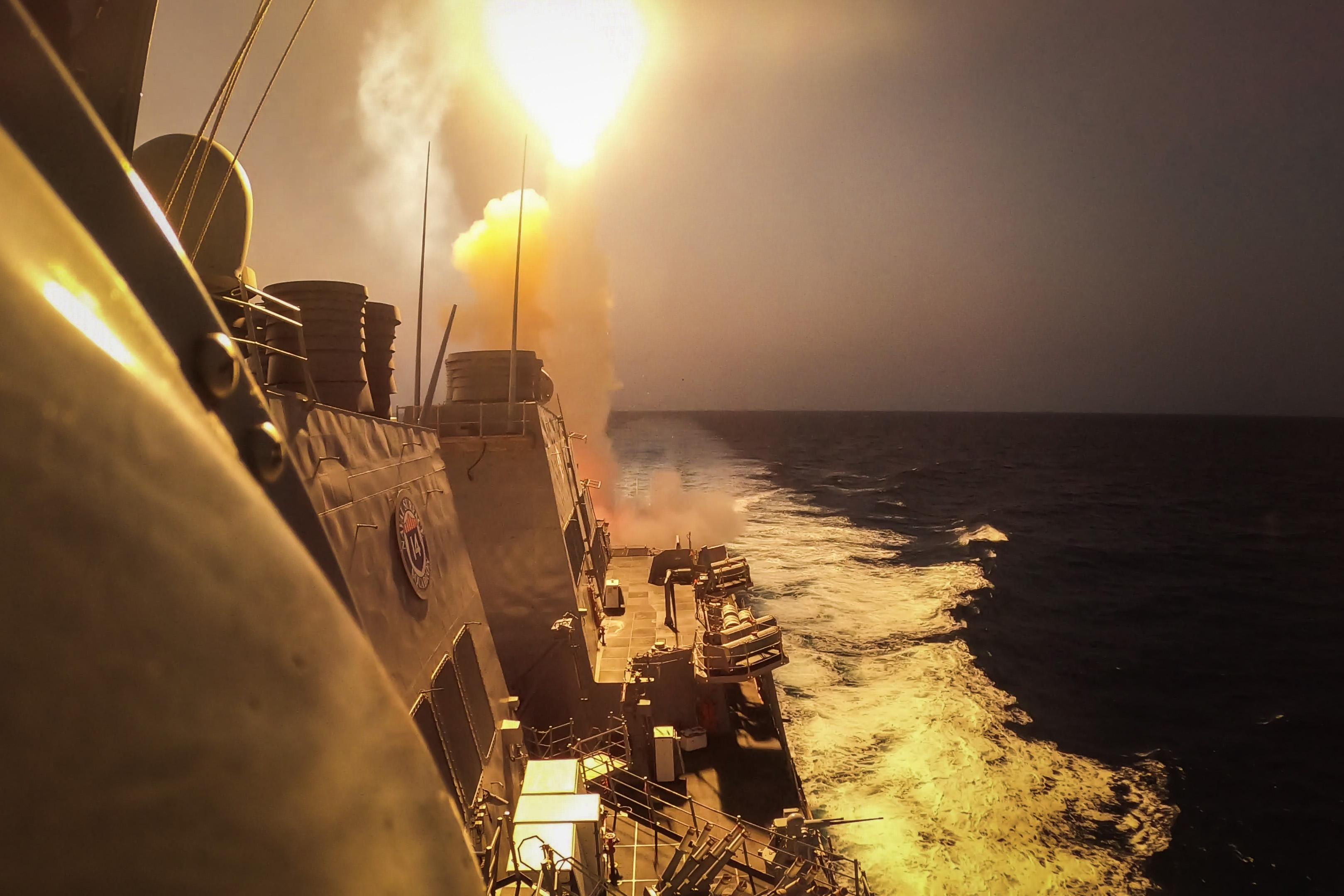
Commercial vessels are being targeted and crews are stranded as Iran escalates pressure on key maritime routes in July 2026 [1, 2].
This escalation threatens global trade stability by choking two of the world's most critical shipping arteries. The shift in tactics suggests a broader strategy to leverage maritime insecurity as a tool for regional political pressure.
Iran has intensified its efforts to disrupt shipping through the Strait of Hormuz [1, 2]. According to reports, the Iranian government is now using its Houthi allies in Yemen to expand this threat to the Bab el-Mandeb gateway, which serves as the primary entrance to the Red Sea [2].
This coordinated effort has created a precarious environment for the private sector. Thousands of commercial ship crew members are currently stranded at sea [1]. These sailors are caught in the middle of a strategic game where shipping lanes are used as leverage against regional adversaries [2].
Arsenio Domínguez, head of the UN International Maritime Organization, said he has monitored the developing crisis as the Red Sea becomes a new pressure point [1, 2]. The transition from focusing on the Strait of Hormuz to targeting the Red Sea gateway indicates a widening geographic scope for the conflict [2].
Commercial crews remain the most vulnerable party in this escalation. While the geopolitical goals involve state-level adversaries, the immediate impact is the physical and psychological toll on the thousands of workers unable to reach port [1].
“Thousands of commercial ship crew members are currently stranded at sea.”
The expansion of maritime threats from the Strait of Hormuz to the Bab el-Mandeb gateway signifies a strategic shift toward total regional disruption. By utilizing Houthi proxies, Iran can exert pressure on global energy and goods markets while maintaining a layer of plausible deniability. This creates a high-risk environment for commercial shipping that may force a permanent rerouting of global trade, increasing costs, and delaying deliveries worldwide.


