
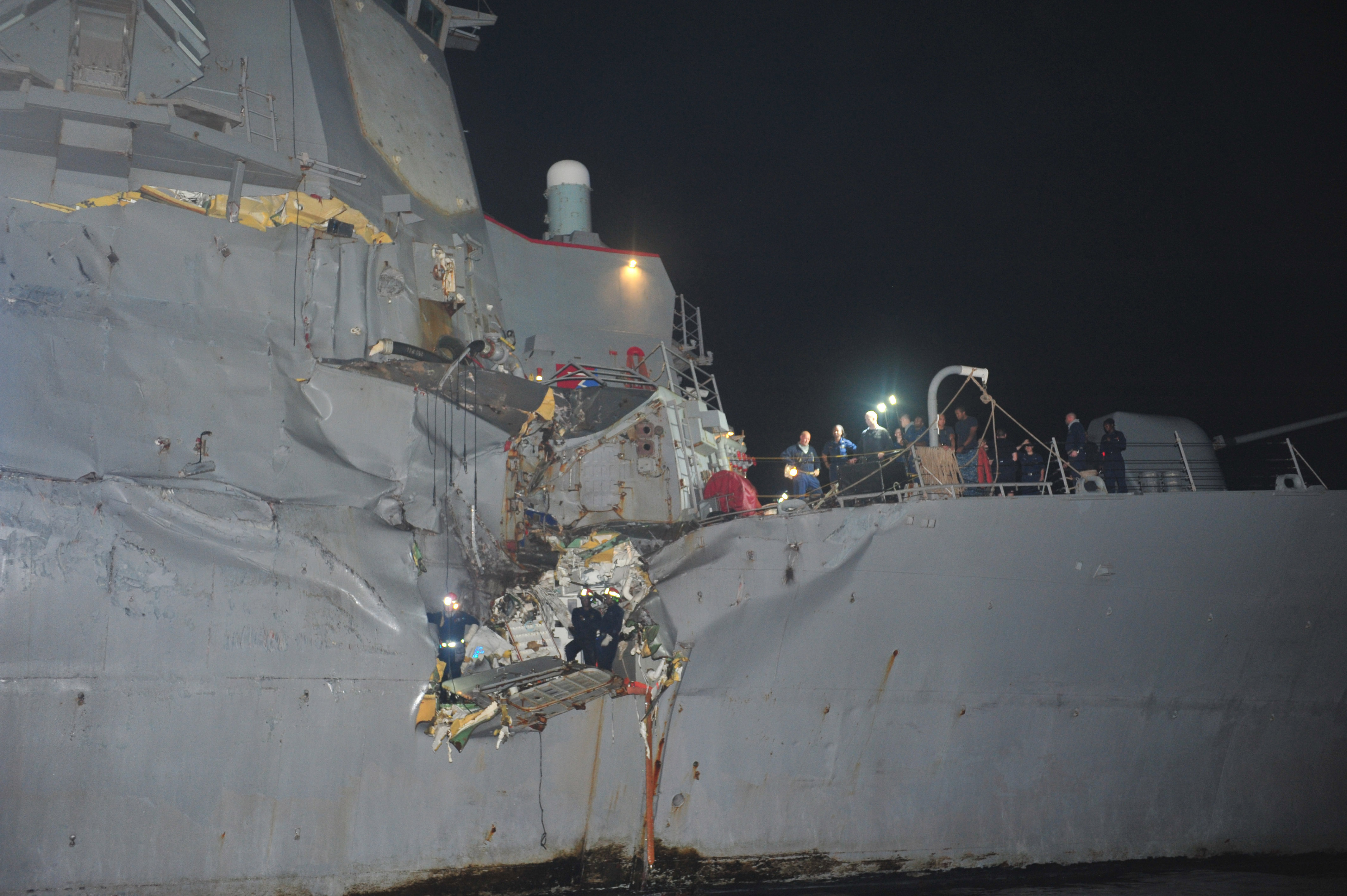
Iran's Islamic Revolutionary Guard Corps naval forces fired warning shots and struck four oil tankers near the Strait of Hormuz on April 22, 2026 [1].
This escalation in one of the world's most critical oil transit chokepoints threatens global energy security and increases the risk of direct military confrontation between Iran and international naval forces.
According to Iran's Tasnim News Agency, the IRGC targeted the vessels because they failed to coordinate their movements with Iranian authorities [1]. The agency said the ships ignored warnings before the naval forces opened fire, forcing the tankers to turn back [1].
Reports on the scale of the incident vary. One report indicates that four oil tankers were hit [1], while another source said that Iran attacked at least three commercial ships [2].
There are further contradictions regarding the nature of the encounter. While Tasnim News Agency described the event as the firing of warning shots to force a retreat [1], NPR said that Iran seized ships in the Strait of Hormuz as part of a blockade [2].
The U.S. Navy was mentioned in reports regarding the failure to shield the vessels from the IRGC attacks [1]. The Strait of Hormuz remains a high-tension zone where Iranian forces frequently monitor and challenge the passage of commercial shipping to assert regional control.
“Iranian forces fired warning shots and struck four oil tankers attempting to enter the Persian Gulf.”
The discrepancy between reports of 'warning shots' and a 'blockade' suggests a volatile information environment where both Iran and international monitors are interpreting the IRGC's tactical aggression differently. If these actions represent a formal blockade rather than isolated enforcement of coordination rules, it could trigger a significant shift in U.S. naval posture in the Persian Gulf to ensure the free flow of oil.


