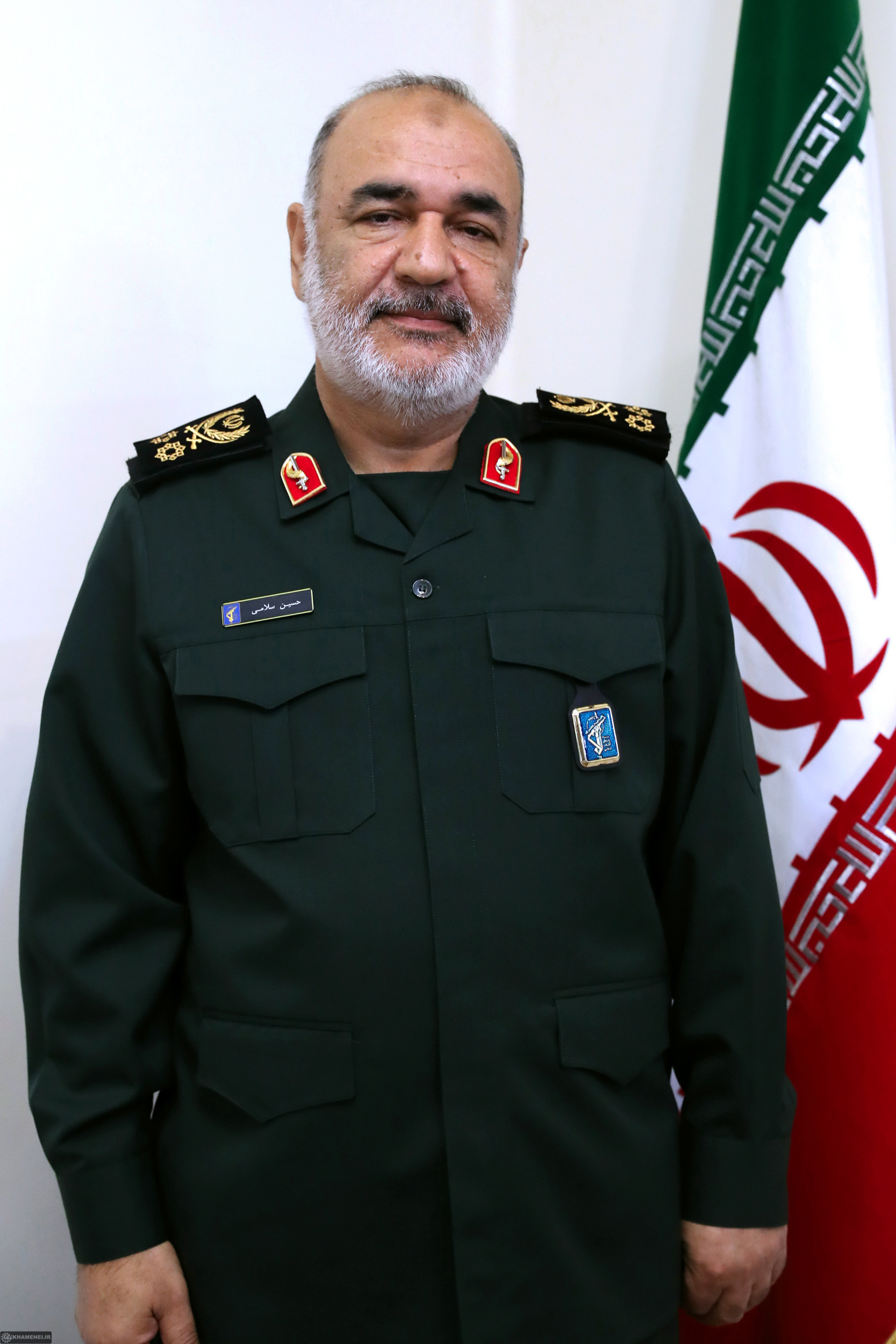
Iran's Islamic Revolutionary Guard Corps (IRGC) aerospace chief warned the United States that the region will turn into "hell" if provocations continue [1].
The escalation marks a significant shift in rhetoric as Tehran claims immunity to U.S. retaliation following a series of missile and drone strikes against military assets in the Gulf [1], [3].
IRGC officials said repeated U.S. provocations and violations of cease-fire agreements were the primary drivers for these actions [1], [4]. The aerospace chief said that the IRGC feels immune to any U.S. response, a stance that signals a willingness to engage in direct military confrontation.
Reports regarding the specific targets of recent Iranian operations vary across sources. Some reports indicate the IRGC launched missile attacks on U.S. military facilities in Kuwait [2]. Other accounts state the IRGC claimed a drone strike specifically targeting the U.S. Fifth Fleet in Bahrain [3]. Explosions were also reportedly heard in Iraq and Bahrain during these events [2].
An IRGC spokesperson described the operations as "precise and concentrated missile attacks" [2]. These strikes are intended to signal that the era of hit-and-run tactics has ended, according to reports on the military's strategy [2].
Mohammad Bagher Ghalibaf, Iran's chief negotiator, said he promised a "decisive response" to any combined U.S.-Israeli attack [2]. The threats center on the Strait of Hormuz and surrounding waters, which serve as critical transit points for global energy supplies [1].
Tehran's leadership continues to maintain that its aerospace capabilities allow it to strike targets across the region with minimal risk to its own strategic assets [1]. The IRGC remains focused on deterring further U.S. military presence in the Gulf through these displays of force [3].
“Will turn region into hell”
The IRGC's claim of 'immunity' to U.S. responses suggests a calculated gamble by Tehran to test the limits of American deterrence in the Gulf. By targeting assets in Bahrain and Kuwait, Iran is demonstrating its ability to project power across multiple sovereign borders, potentially attempting to force a U.S. strategic withdrawal from the region by increasing the cost of maintaining a military presence.


