
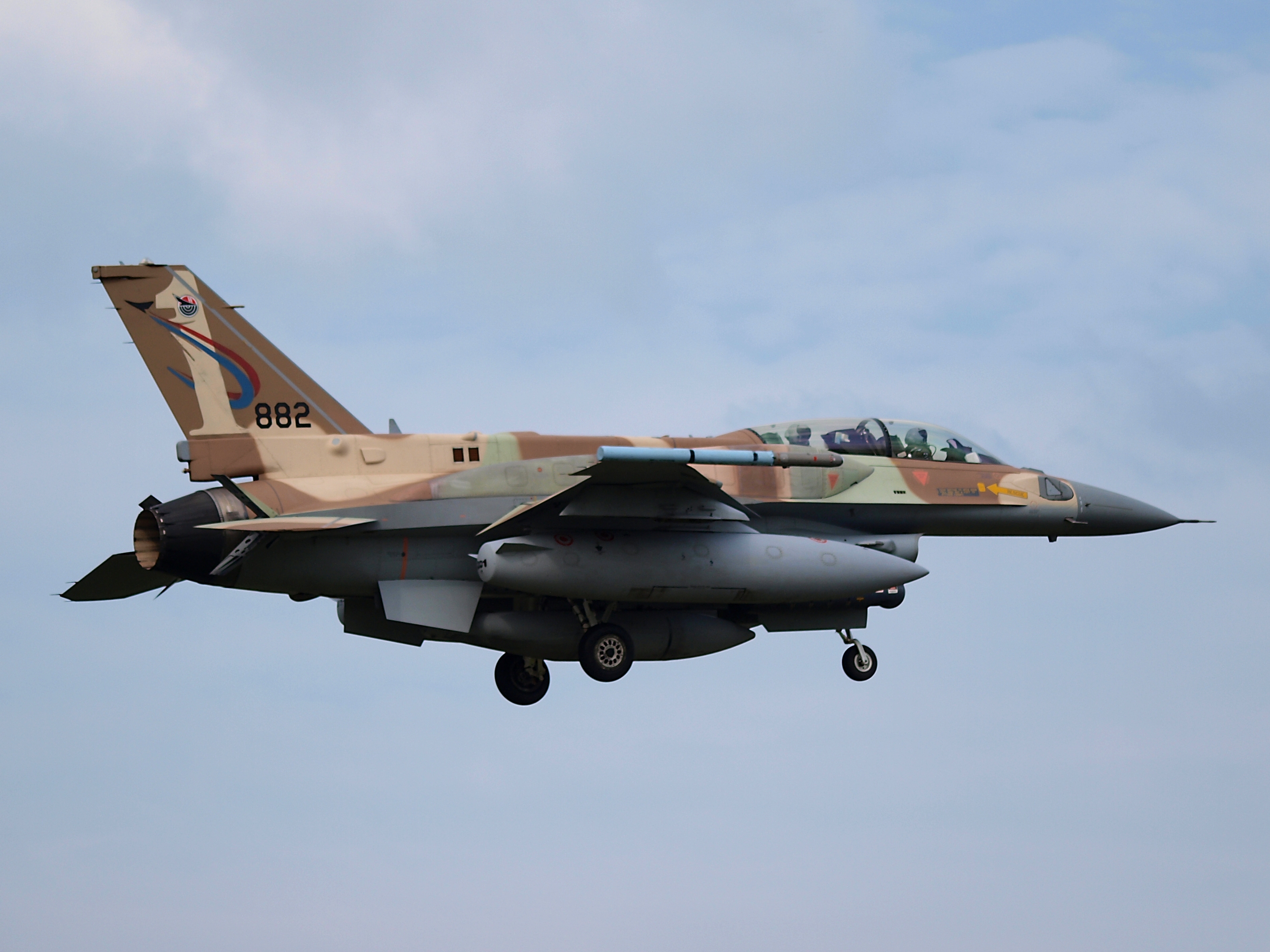
Israel and Iran exchanged airstrikes on Monday, with Israel hitting a petrochemical facility and Iran targeting Israeli air bases [1, 2].
The escalation threatens to widen a regional conflict and disrupt global energy markets, as both nations claim their actions were retaliatory strikes [2, 3].
Israeli forces struck a major petrochemical facility located in central-western Iran [1, 2]. In response, Iran launched missile attacks aimed at Israeli air bases [1, 2]. Both nations said the operations were necessary responses to previous strikes conducted by the opposing side [3, 4].
U.S. President Donald Trump (R-FL) intervened to urge a cessation of hostilities. "Immediately stop the attacks," Trump said [1].
Trump also indicated he intended to communicate directly with the Israeli leadership to prevent further escalation. "I am going to call Bibi right now and tell him not to retaliate," Trump said [3].
The military volatility has already impacted global commodity markets. Brent crude prices rose one percent to $97 per barrel following the strikes [5].
The strikes occurred during a period of heightened tension between the U.S. and Israel, complicating diplomatic efforts to maintain stability in the region [2, 3].
“"Immediately stop the attacks."”
The direct exchange of fire between Israel and Iran signals a shift from proxy warfare to direct confrontation. The immediate spike in oil prices reflects market anxiety over the stability of energy corridors in the Middle East, while the U.S. president's direct intervention highlights the pressure on the Israeli government to balance national security with American diplomatic priorities.


