Iran launched a missile at Israel on June 7, 2026, marking the first such attack since a fragile cease-fire took effect [1].
The strike threatens to dismantle a tenuous peace agreement and could trigger a broader regional war involving multiple Middle East powers. This escalation follows a period of extreme instability and high casualty rates across the region.
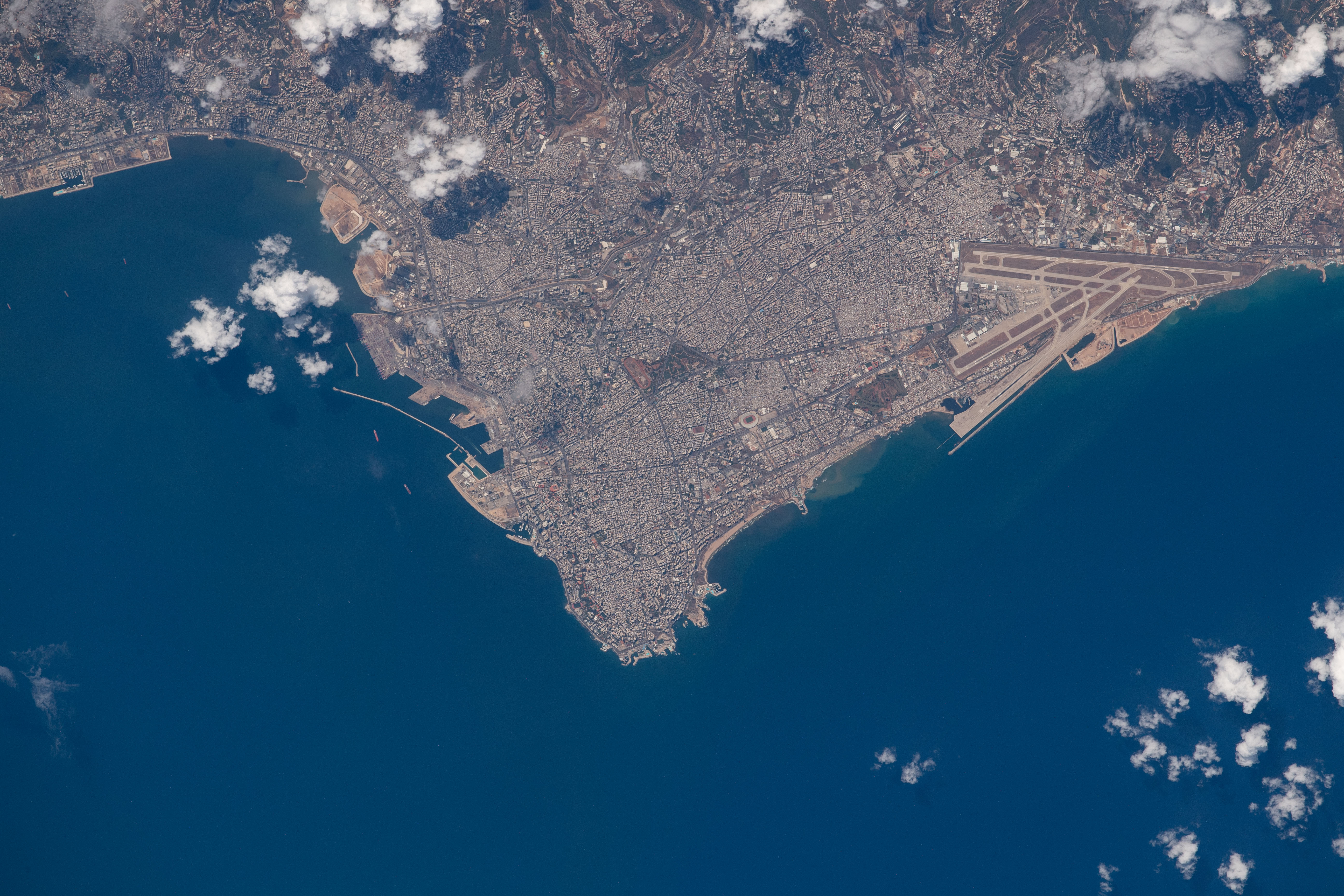
The missile was launched over the southern suburbs of Beirut in Lebanon, near the Israel-Lebanon border [1]. Iranian officials said that any further aggression from Israel would be met with a stronger response [1]. This warning comes as Iran signals a readiness to open new fronts if attacks resume [2].
The regional violence has intensified rapidly. On the same day as the Iranian missile launch, Israeli strikes in Lebanon killed 254 people [3]. These events follow a cease-fire that began in early April 2026 [4].
The broader conflict has already resulted in significant loss of life. Reports indicate that U.S.-Israeli strikes in Iran have caused over 2,000 deaths [5].
U.S. President Donald Trump has maintained a complex stance toward the crisis. While some reports indicate he said Iran's military capabilities were severely degraded, he also postponed a planned U.S. strike on Tehran [2]. This postponement suggests a continued willingness by the U.S. to engage in military action if conditions shift.
International observers remain concerned that the cycle of retaliation will outpace diplomatic efforts. The combination of Iranian missile activity and Israeli strikes in Lebanon suggests that the April agreement has failed to provide lasting stability.
“Iran launched a missile at Israel on June 7, 2026, marking the first such attack since a fragile cease-fire took effect.”
The breach of the April cease-fire by Iran, coupled with heavy Israeli casualties in Lebanon, indicates a collapse of the current diplomatic framework. The volatility is compounded by the U.S. administration's oscillating approach between claiming Iranian degradation and planning direct strikes on Tehran, which may embolden both sides to test the limits of the other's resolve.