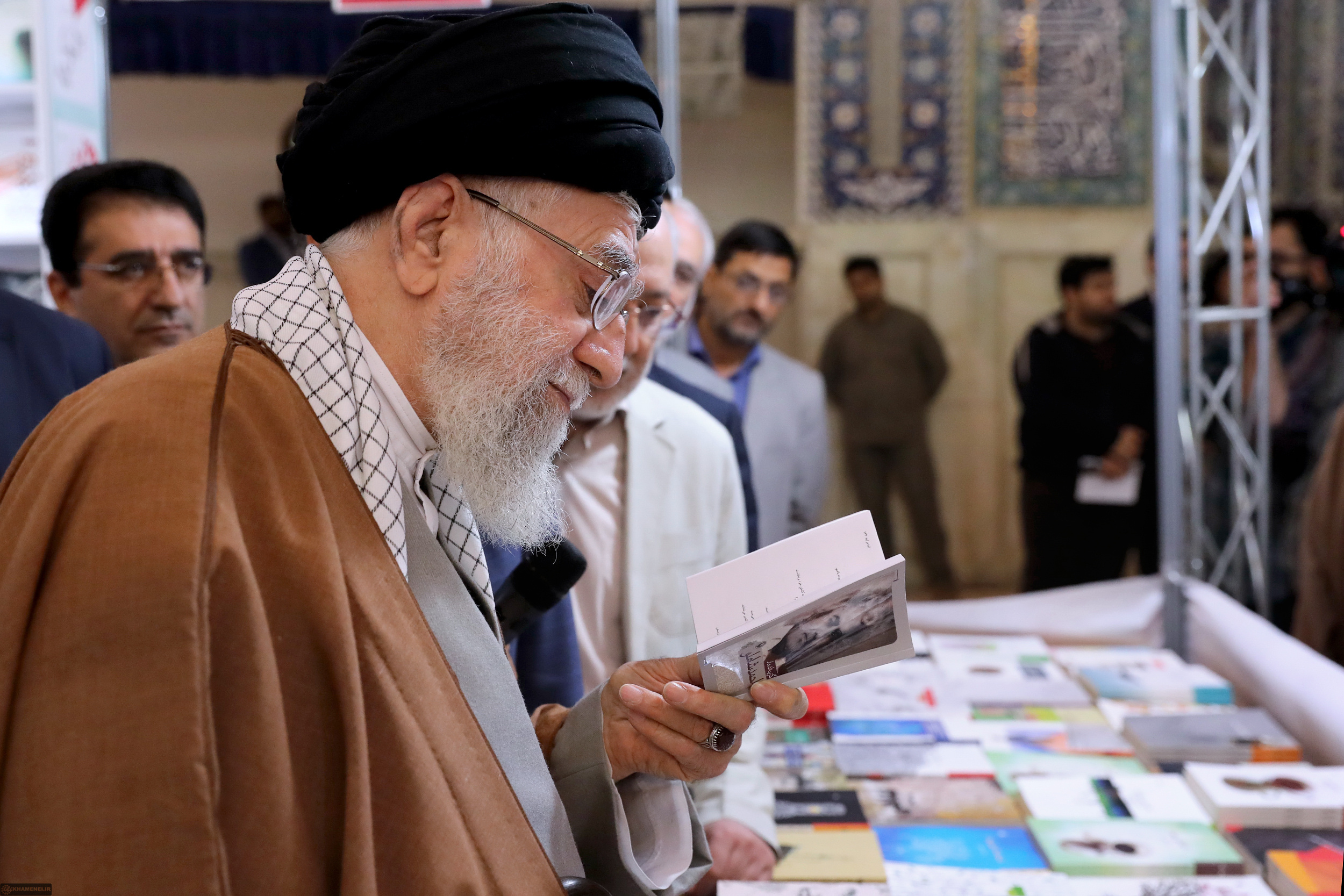
Iran's Supreme Leader Ali Khamenei said Thursday that the country will protect its nuclear and missile capabilities and will not surrender them [1].
This declaration underscores a hardening strategic stance by Tehran as diplomatic negotiations with the U.S. remain stalled. The refusal to compromise on these assets comes during a period of regional instability and a fragile cease-fire, signaling that Iran views these capabilities as non-negotiable elements of its national security.
Speaking in Tehran, Khamenei said the nuclear and missile programs are vital national assets [2]. This assertion follows a period of heightened tension between Iran and Western powers over the proliferation of nuclear technology and the development of long-range weaponry.
Economic pressures have coincided with these geopolitical tensions. Reports indicate that oil prices have risen to a four-year high [3] — a trend that often correlates with instability in the Middle East and threats to energy corridors.
Tehran has consistently maintained that its nuclear program is for peaceful purposes, despite international concerns and sanctions. However, the Supreme Leader's recent comments emphasize a willingness to maintain these capabilities regardless of external diplomatic pressure [2].
The statement arrives as the U.S. continues to navigate a complex relationship with Iran, balancing sanctions with the goal of preventing the country from achieving nuclear weapons capability. By publicly vowing to protect these assets, Khamenei is setting a firm boundary for any future diplomatic engagements [1].
This strategic posture is intended to project strength both domestically and to international adversaries. The emphasis on protecting these capabilities serves as a deterrent against potential military interventions or more aggressive sanctions regimes [2].
“Iran will protect its nuclear and missile capabilities and will not surrender them.”
Khamenei's public commitment to maintaining nuclear and missile assets suggests that Iran is prioritizing strategic deterrence over immediate diplomatic relief. By framing these capabilities as national assets, Tehran is signaling to the U.S. and its allies that any future agreement must accept Iran's current technical baseline rather than demanding a full rollback of its programs.


