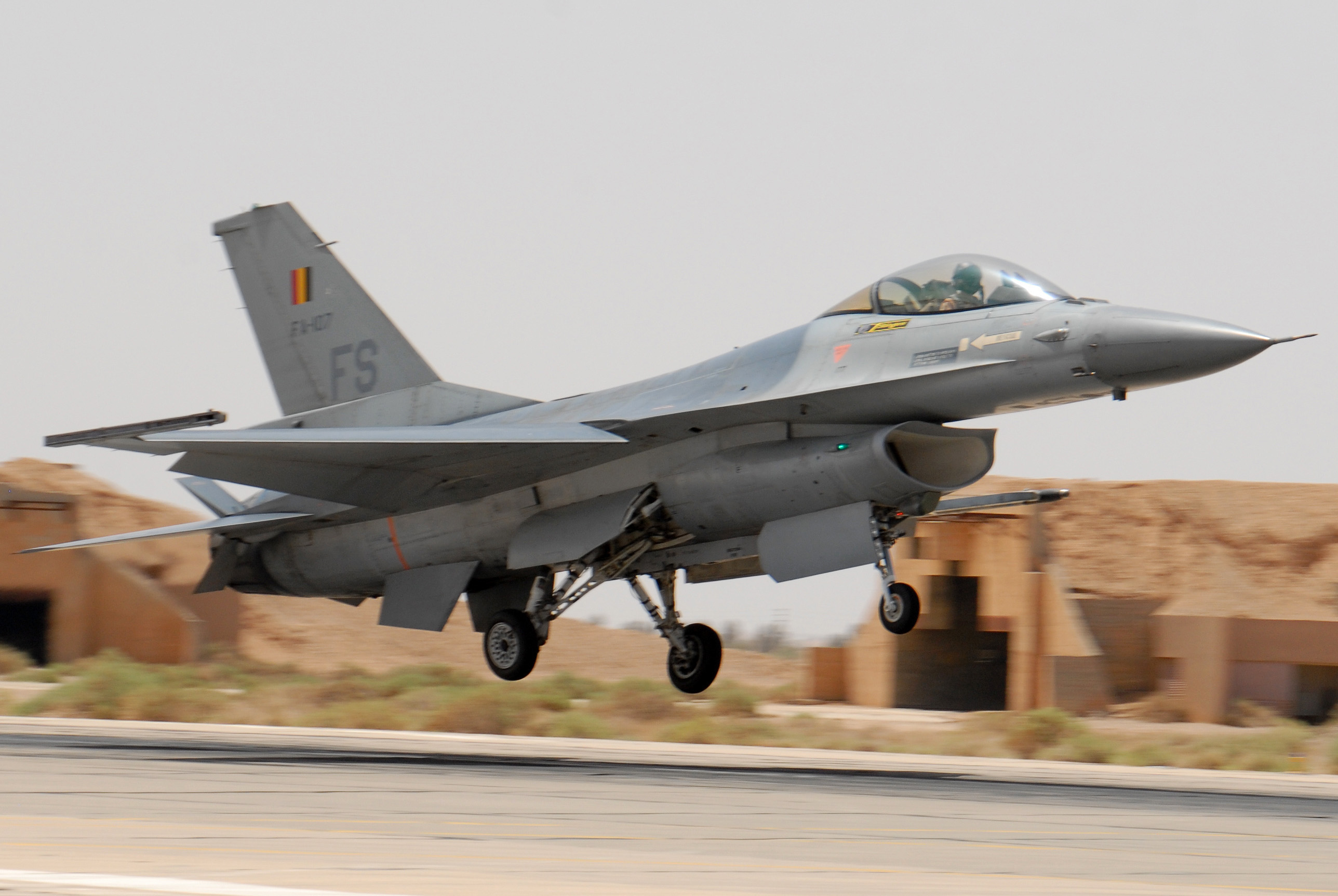
Iran fired ballistic missiles at Jordan’s Al-Azraq air base, which hosts U.S. forces, on the morning of June 8, 2025 [1].
The strike marks a direct escalation in tensions between Tehran and Washington. By targeting a facility housing thousands of American personnel, Iran is signaling a willingness to strike U.S. assets in third-party countries to avenge perceived attacks on its own soil.
An IRGC spokesperson said, "We targeted U.S. aircraft at Al-Azraq air base with ballistic missiles" [2]. The operation followed recent U.S. strikes on Iranian nuclear facilities [4]. According to reports, Iran also launched missiles at Bahrain and Kuwait during the same period of renewed conflict [3].
Reports on the scale of the attack vary. Yahoo News said that 10 missiles were fired at the Jordanian base [1], while the Winnipeg Free Press said that dozens of missiles were launched [5]. The missiles triggered the activation of aerial defense systems at the fortified installation [6].
The Al-Azraq air base is a critical strategic hub in the region. It currently houses more than 10,000 American troops [6]. The use of ballistic missiles against such a high-density military target increases the risk of significant casualties and further military retaliation.
Iran has framed these actions as necessary responses to U.S. aggression. The IRGC said that the strikes were a direct result of the "nuclear site" attacks carried out by the U.S. [4].
“"We targeted U.S. aircraft at Al-Azraq air base with ballistic missiles."”
This incident demonstrates a shift in Iranian strategy toward targeting U.S. regional hubs in response to strikes on its domestic infrastructure. By utilizing ballistic missiles against a base with over 10,000 troops, Tehran is testing U.S. defense capabilities and the stability of host-nation agreements in Jordan, Bahrain, and Kuwait.


