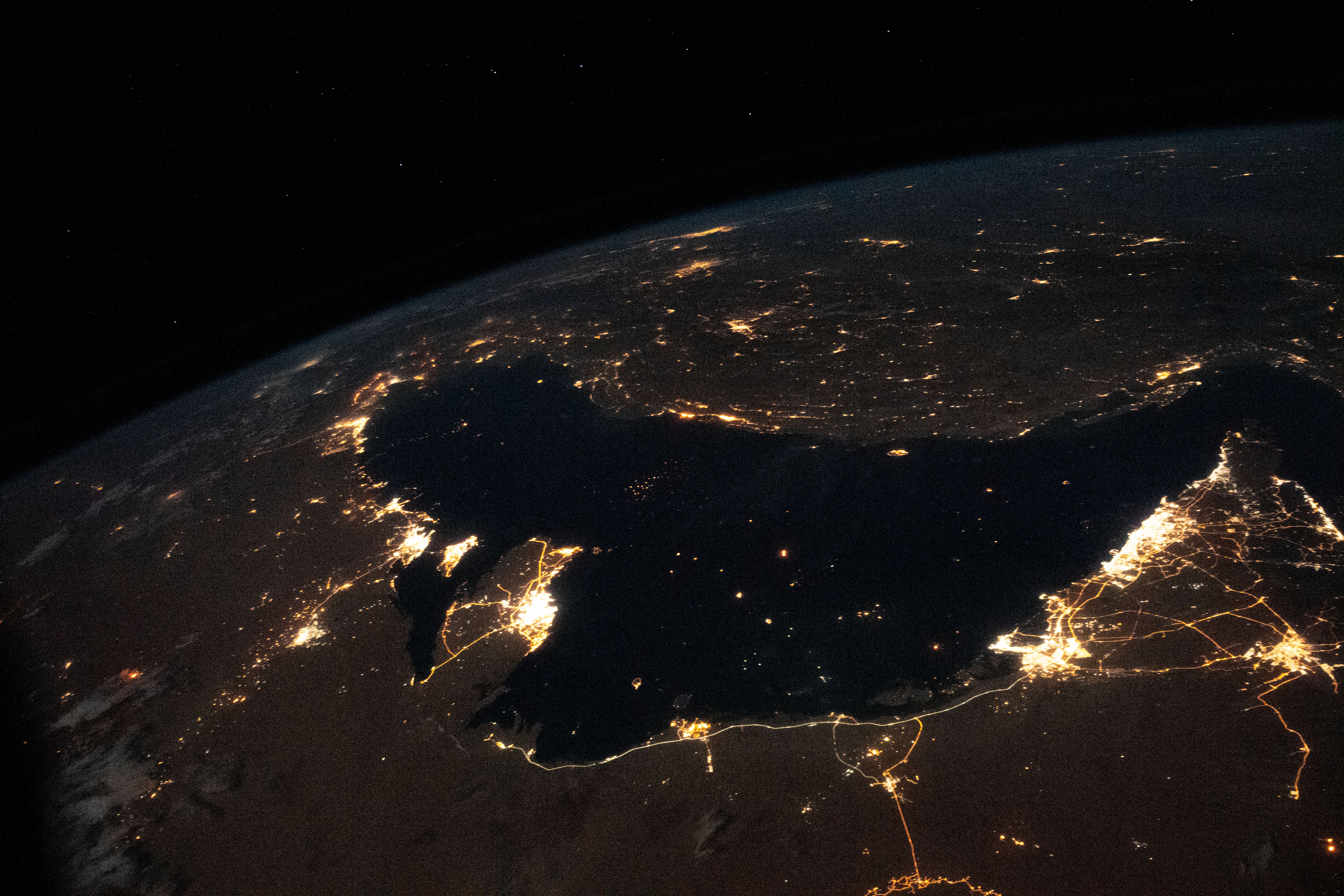
Iran is celebrating National Persian Gulf Day to commemorate the 1622 [1] reclamation of the Strait of Hormuz from Portuguese control.
The observance serves as a tool for the Islamic Republic to assert its sovereignty over the strategic waterway and signal its opposition to the presence of the U.S. military in the region.
National Persian Gulf Day marks the historic victory of the Safavid Empire and the British East India Company against Portuguese colonizers in 1622 [1]. The event is used by Iranian leadership to reinforce claims over the Gulf and highlight a legacy of resisting foreign intervention.
During the commemorations, Mojtaba Khamenei issued warnings regarding the U.S. presence in the region. Khamenei said the United States's only place in the Persian Gulf region is "at the bottom of its waters."
Khamenei said the Gulf region will have a "bright future" without the presence of the U.S. These statements underscore the ongoing tension between Tehran and Washington over the security and control of the waterway.
The Strait of Hormuz remains one of the most critical maritime chokepoints in the world. Approximately 20% [2] of the world's oil passes through the strait, making any instability in the region a significant concern for global energy markets.
Iranian officials use the day to frame current geopolitical struggles as a continuation of the 17th-century fight against colonialism. By linking the 1622 victory to modern tensions, the state reinforces a narrative of national resilience, and regional dominance.
“the United States's only place in the Persian Gulf region is at the bottom of its waters.”
The use of a historical anniversary to deliver modern geopolitical threats demonstrates Iran's strategy of linking national identity and historical legitimacy to its current foreign policy. By emphasizing the 1622 expulsion of the Portuguese, Tehran frames the U.S. presence not as a security measure, but as a colonial intrusion that it views as temporary and destined for removal.


