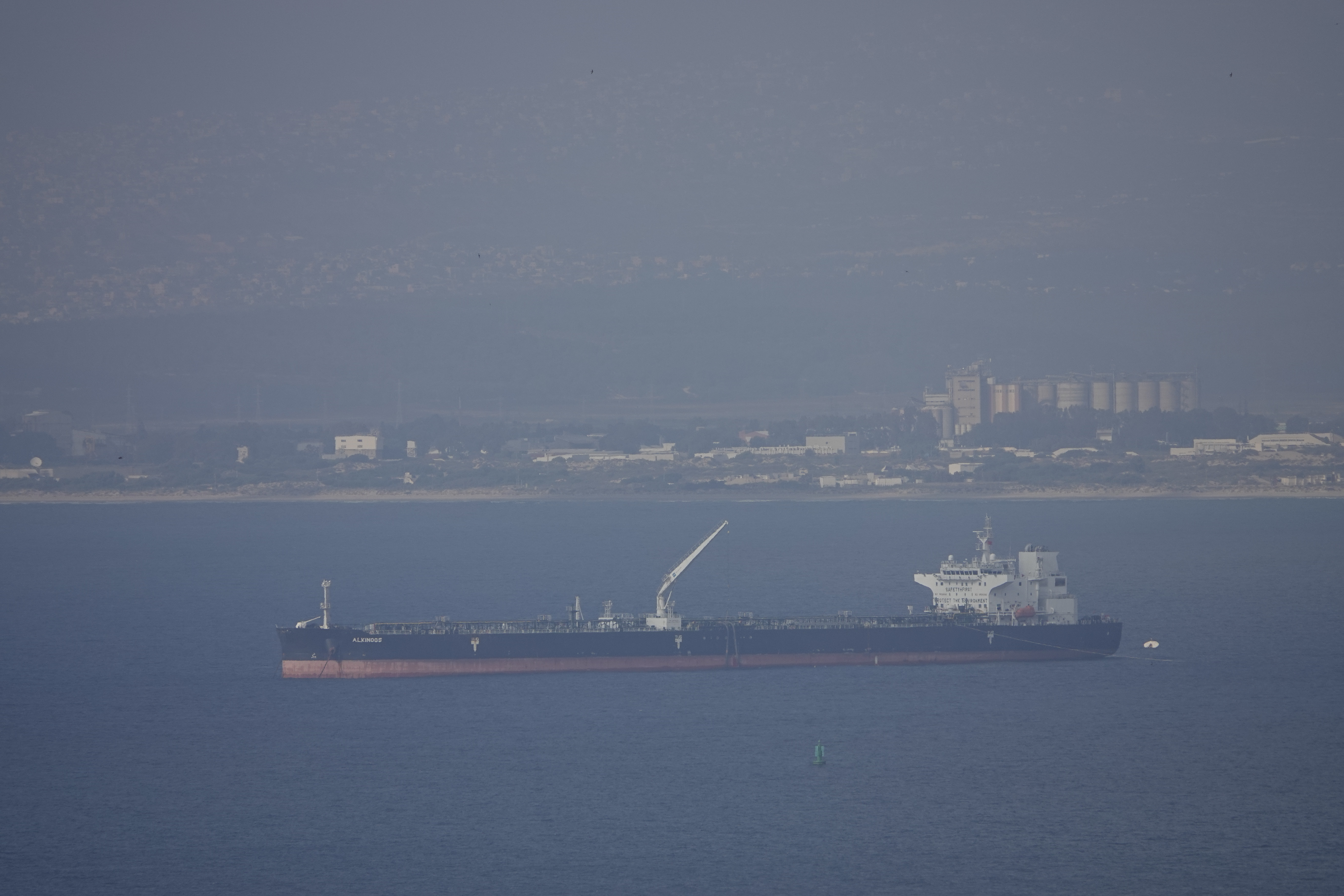
Iran said on April 17 that the Strait of Hormuz will stay open to commercial ships for the ceasefire, triggering a sharp oil‑price drop.[1] The decision came as the Israel‑Iran conflict entered a UN‑brokered ceasefire, raising hopes that critical trade routes would remain unimpeded.[1]
The narrow waterway links the Persian Gulf with the Gulf of Oman and handles about a fifth of the world’s petroleum shipments, making any disruption a flashpoint for global markets. In past years, intermittent closures have sparked price spikes and heightened geopolitical tension, underscoring the strait’s outsized influence on energy security.
Investors reacted instantly. Oil prices fell roughly 10% to 11% after the announcement, with Brent crude sinking about a tenth.[1][2][3] The slide wiped billions of dollars from energy portfolios and lifted major stock indices worldwide. Futures markets in New York and London reported the steepest single‑day declines since the 2022 supply shock, reflecting traders’ rapid reassessment of risk premiums.
Iran said the opening was intended to allow commercial shipping to continue during the ceasefire, easing market fears about supply shortages.[1] Officials said the move was purely commercial and not a concession on broader strategic aims, signalling a willingness to separate economic interests from military posturing.
Energy analysts said keeping the strait open removes a key risk premium that had been priced into crude. Without the threat of a bottleneck, traders expect smoother flow and more stable pricing. Firms such as BloombergNEF and Rystad Energy said the price correction could persist for weeks if the ceasefire holds, potentially lowering global inflation pressures linked to fuel costs.
The move also signals Tehran’s willingness to de‑escalate tensions in a contested region, a message that could influence diplomatic talks and future sanctions discussions. Regional partners, including Oman and the United Arab Emirates, said they welcomed the decision, citing the importance of uninterrupted maritime commerce for their economies.
Nevertheless, the short‑term price dip does not guarantee long‑term stability; any reversal of the ceasefire or renewed hostilities could reignite volatility in the oil market. Market watchers will monitor diplomatic channels closely, as the strait’s status remains a barometer for broader Middle‑East security dynamics.
“Iran said the Strait of Hormuz will stay open to commercial ships for the ceasefire.”
What this means: By keeping the Strait of Hormuz open, Iran removed a major source of uncertainty that had been inflating oil prices. The resulting 10‑11% price plunge offers temporary relief to consumers and economies dependent on cheap energy, but the benefit hinges on the ceasefire’s durability. Any escalation could quickly reverse the gains, making the strait’s operational status a critical indicator for future market stability.


