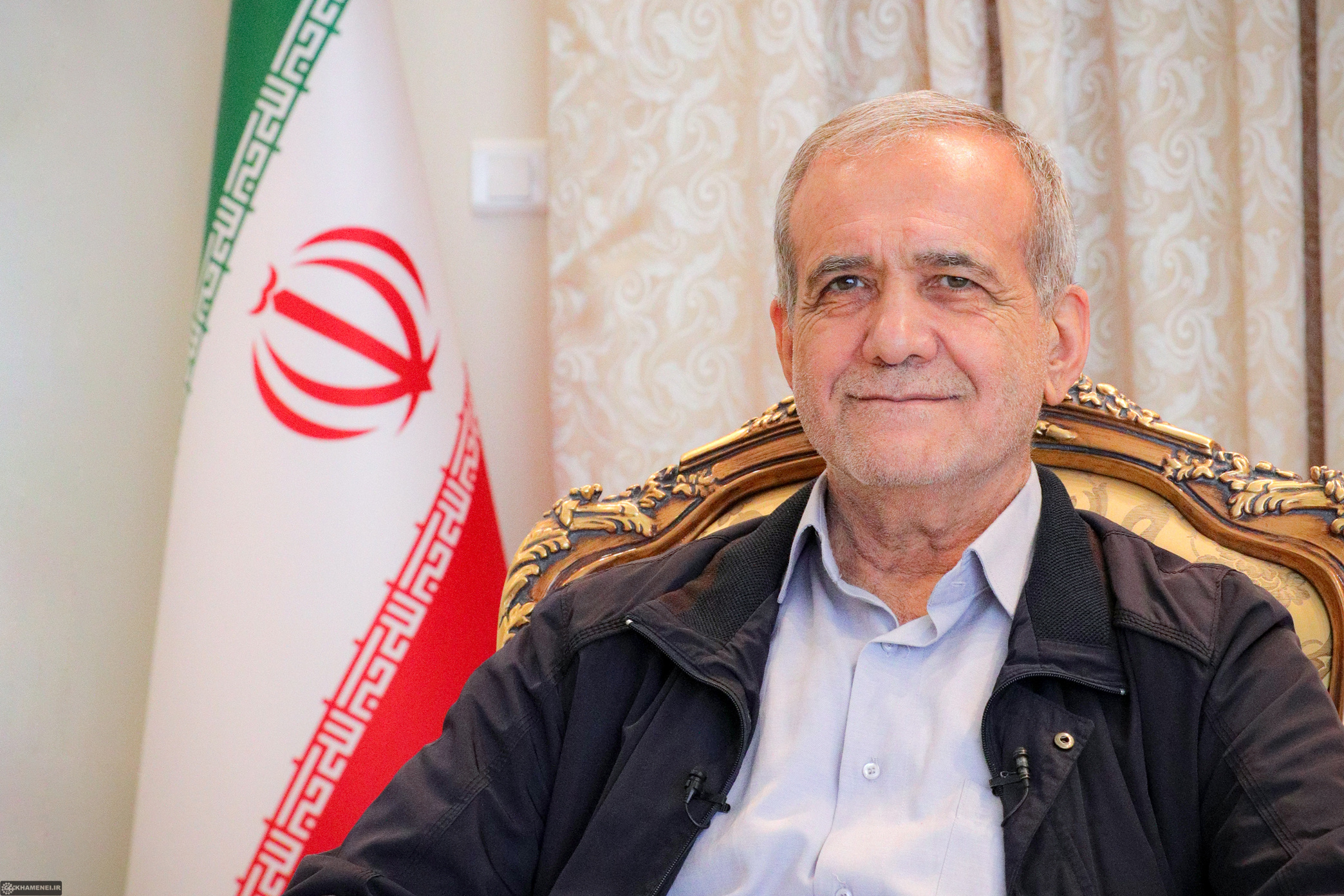
Iranian President Masoud Pezeshkian said any success achieved on the battlefield would need to be completed through diplomatic negotiations [1].
The statement signals a strategic effort by Tehran to leverage military positioning into formal political agreements. By linking combat outcomes to the negotiating table, the administration seeks to ensure that tactical gains translate into long-term national stability.
Speaking during an interview broadcast on the Pakistani channel SAMAA TV on Monday, Pezeshkian said the intersection of military action and diplomacy is key [1]. He said that the pursuit of diplomatic solutions is essential to align military outcomes with the national interest [2].
According to the president, Iran had three possible paths before it [2]. This framework suggests a calculated approach to foreign policy where various options are weighed against the goal of national security.
While the president expressed openness to talks, he said such engagements must be guided by wisdom and the broader interests of the state [2]. This approach seeks to prevent military victories from becoming stagnant or unsustainable without a diplomatic framework to codify them [3].
The remarks come amid ongoing regional tensions where Iran continues to balance its military presence with the need for international diplomatic engagement [3]. By framing negotiations as the necessary completion of battlefield success, Pezeshkian positions diplomacy not as a replacement for strength, but as its final stage.
“Success achieved on the battlefield would need to be completed through negotiations.”
Pezeshkian's comments reflect a pragmatic doctrine of 'coercive diplomacy,' where military pressure is used to improve a country's bargaining position before entering negotiations. By stating that battlefield gains are incomplete without a diplomatic agreement, Iran is signaling to international adversaries—particularly the U.S.—that it views military action as a means to a political end rather than an end in itself.


