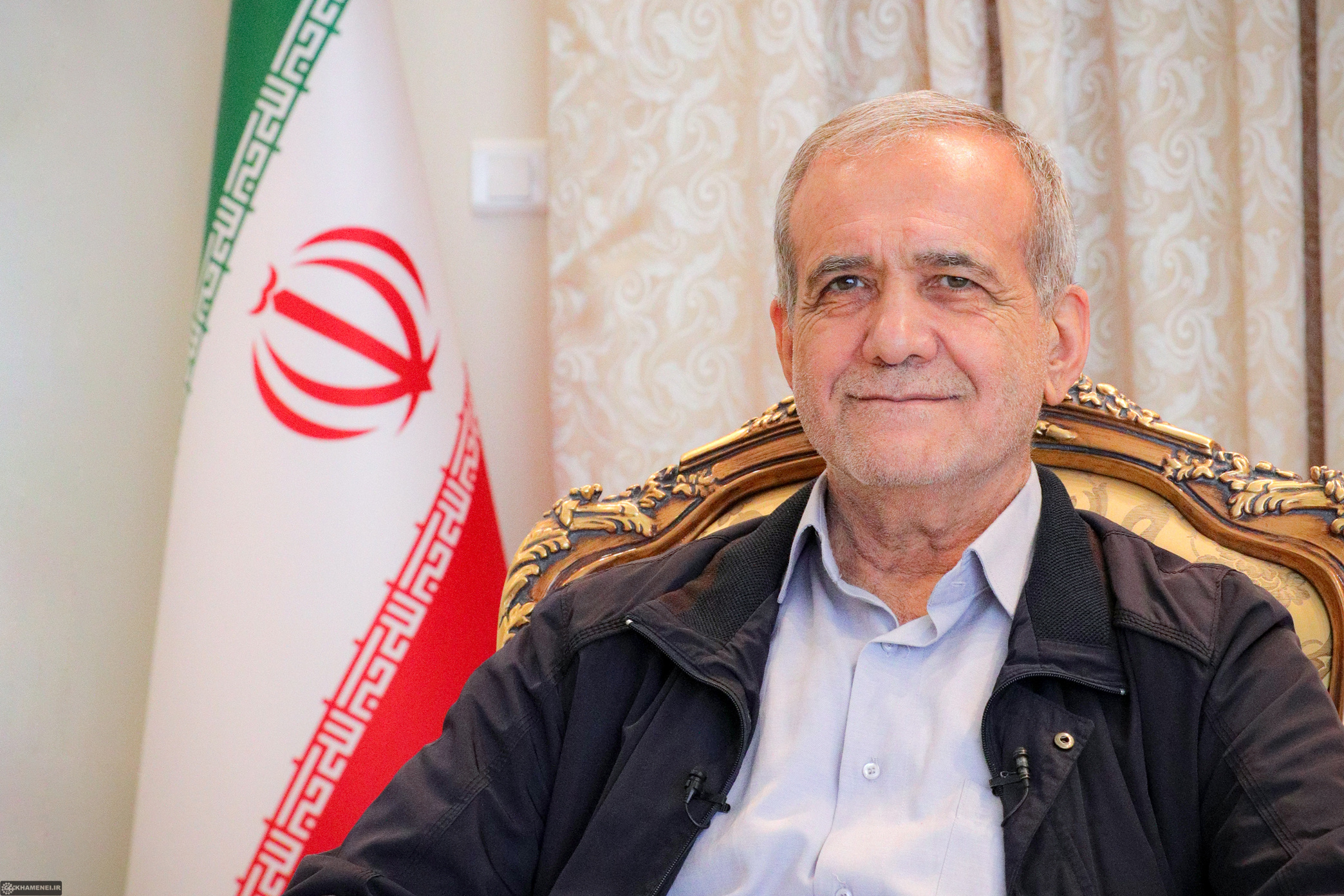
Iranian President Masoud Pezeshkian and Parliament Speaker Mohammad Bagher Ghalibaf are reportedly seeking the removal of Foreign Minister Abbas Araghchi [1].
This potential dismissal signals a deep rift within the Iranian government regarding the management of nuclear negotiations with the U.S. The conflict highlights a struggle for control between civilian leadership and the military establishment.
Reports indicate that Pezeshkian and Ghalibaf said Araghchi bypassed the presidency during critical diplomatic engagements [1]. The officials said the foreign minister followed directives from the Islamic Revolutionary Guard Corps (IRGC) without keeping the president informed [2].
This alleged chain of command suggests that the IRGC chief may be exerting direct influence over the nation's foreign policy, a move that undermines the authority of the civilian government. By operating outside the established presidential hierarchy, Araghchi is accused of compromising the unified front Iran intends to present in U.S. talks [2].
The friction between the presidency and the foreign ministry comes at a sensitive time as both nations navigate complex nuclear discussions. The IRGC has historically maintained a more hardline stance compared to some civilian officials, creating a duality in how Iran communicates its demands to the international community [1].
If Araghchi is fired, it would mark a significant shift in the administration's diplomatic strategy. The move would likely be viewed as an attempt by Pezeshkian to reclaim authority over the diplomatic process and ensure that the presidency remains the primary decision-making body for international agreements [2].
“President Masoud Pezeshkian and Parliament Speaker Mohammad Bagher Ghalibaf are reportedly seeking the removal of Foreign Minister Abbas Araghchi.”
The reported effort to remove Abbas Araghchi underscores the systemic tension in Iran between the elected civilian government and the IRGC. If the presidency successfully removes a minister for following military directives, it may indicate a rare assertion of civilian authority over the IRGC's shadow diplomacy. Conversely, if Araghchi remains, it confirms that the military's influence over foreign policy outweighs the president's mandate.


