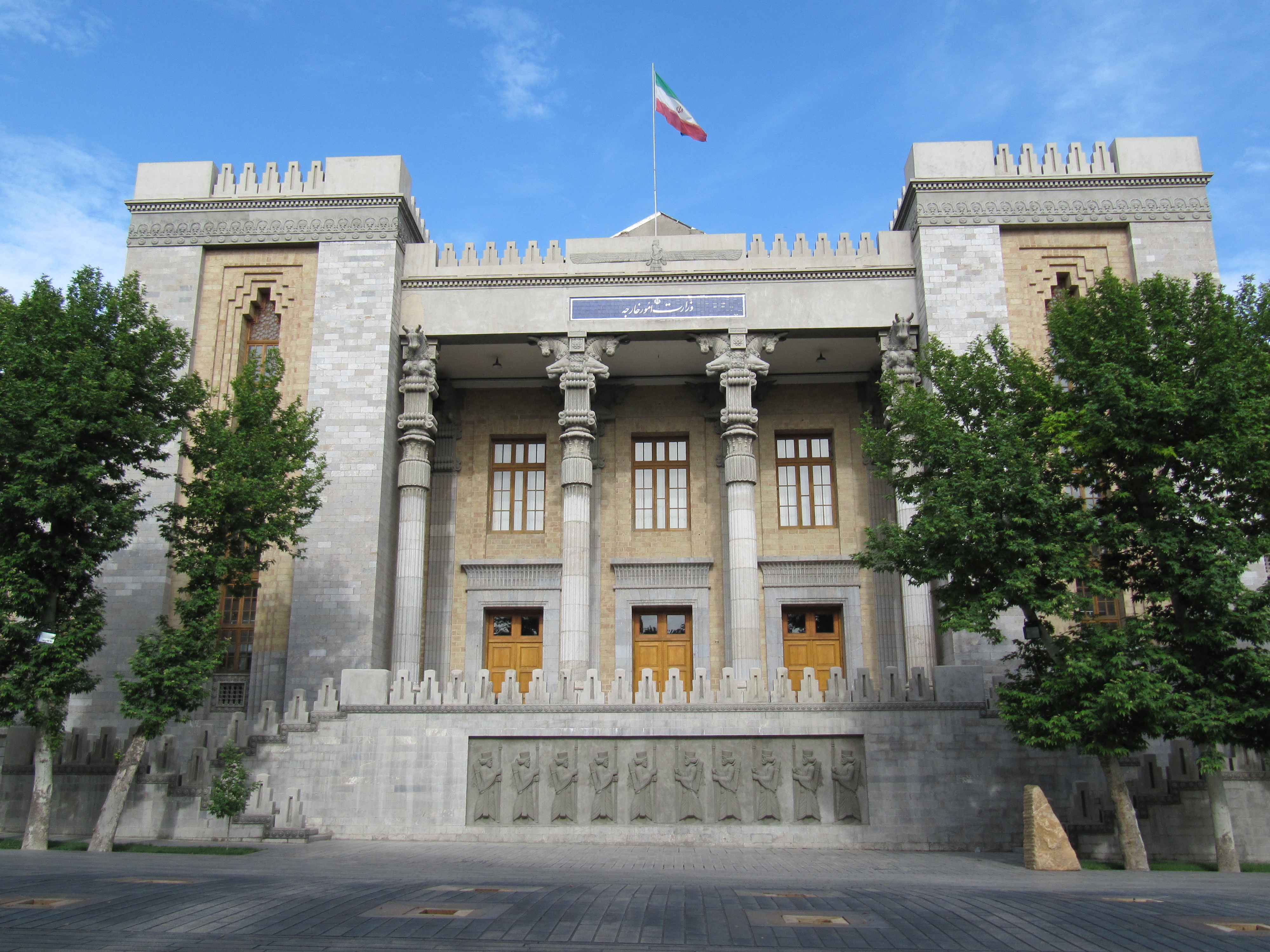
Iran has rejected a recent U.S. cease-fire proposal and warned that it may be forced to respond to American actions with military force.
The escalation marks a significant breakdown in diplomatic efforts to stabilize the region, specifically regarding maritime security, and the movement of oil tankers.
Esmail Baghaei, spokesperson for Iran's Ministry of Foreign Affairs, said on April 27, 2026 [1], that the country has no other choice than fighting back ferociously. Baghaei said these remarks following the rejection of the U.S. proposal, which he said was necessary because the United States had rejected an Iranian counter-offer regarding the reopening of the Strait of Hormuz [1, 2].
Earlier in the month, Baghaei addressed the possibility of diplomatic engagement during a visit to Pakistan. He said on April 25, 2026 [2], that there is no plan for direct talks with the United States during that visit.
The diplomatic friction is accompanied by direct threats from the Iranian military. The Iranian Revolutionary Guard Navy said on April 26, 2026, that any attack on Iranian oil tankers will be met with a heavy assault on U.S. bases [3].
While some reports indicated a fragile cease-fire appeared to hold, the official stance from the Iranian Foreign Ministry remains oppositional. Baghaei's warnings, delivered via a press briefing in Pakistan and an interview with India Today, highlight a widening gap between the two nations' requirements for peace [1, 2, 4].
Iran continues to link any potential cease-fire to the status of the Strait of Hormuz, a critical chokepoint for global energy supplies. The refusal to enter direct talks in Pakistan suggests that the current diplomatic channel is insufficient to resolve the dispute over maritime access, and military presence in the region [2].
“We have no other choice other than fighting back ferociously.”
The rejection of the U.S. cease-fire proposal and the explicit refusal to engage in direct talks in Pakistan indicate a high-risk period for regional stability. By tying military restraint to the specific conditions of the Strait of Hormuz, Iran is leveraging a global economic chokepoint to pressure the U.S. into accepting its maritime terms, increasing the likelihood of naval skirmishes.


