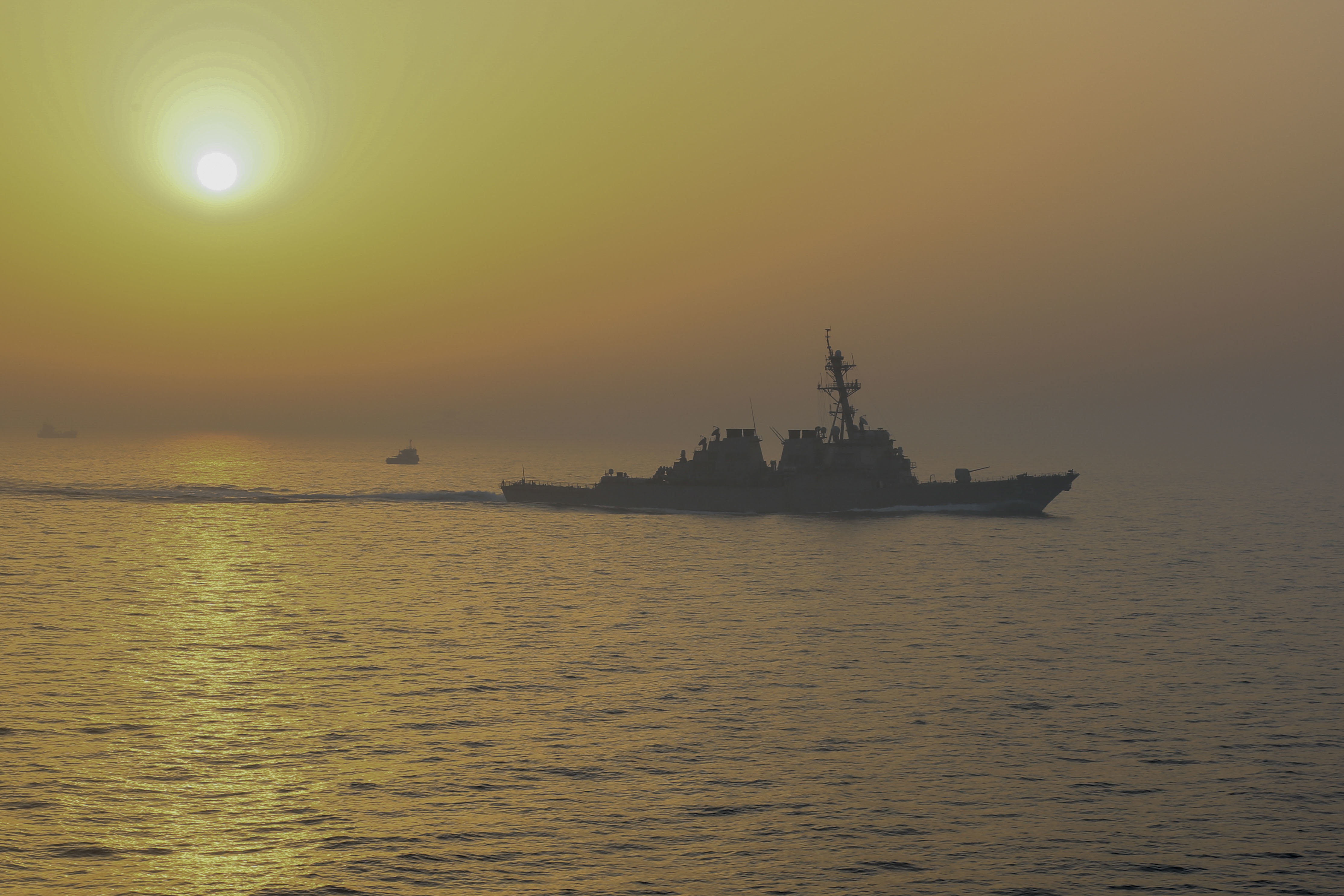
Iran published a new map on May 22 asserting control over the Strait of Hormuz, intensifying the closure of the strategic waterway [1].
This escalation threatens global energy security and creates a mounting humanitarian crisis for mariners trapped in the Persian Gulf. Because the strait is a primary chokepoint for oil exports, any prolonged closure disrupts international trade and increases the risk of military confrontation.
The move has worsened conditions for seafarers currently stranded on ships. While some reports indicate thousands of mariners are trapped [1], other estimates suggest as many as 20,000 seafarers are currently stranded [2]. These crews face isolation and exhaustion while navigating fears of missile attacks [2].
The desperation of the situation has led some crews to take extreme risks. In one instance, a crew remained stranded for one month before attempting a risky passage through the strait [3]. Such transit attempts are estimated to take six hours [3].
Iran is asserting control over the waterway amid ongoing regional tensions [1]. The resulting closure has effectively trapped vessels within the Gulf, preventing them from reaching open waters or returning to their home ports. The humanitarian impact is growing as supplies dwindle, and the legal status of the trapped ships remains contested under the new Iranian map [1].
International maritime organizations have noted the increasing misery of the crews. The combination of physical exhaustion and the psychological toll of isolation has turned the Strait of Hormuz into a volatile zone for civilian mariners [2].
“Iran published a new map asserting control over the Strait of Hormuz”
The publication of a new map is a formal geopolitical assertion of sovereignty that transcends a temporary military blockade. By attempting to codify control over the Strait of Hormuz, Iran is challenging international maritime law regarding transit passage. This shift increases the likelihood of long-term instability in the region, as it forces global shipping companies to either accept Iranian authority or risk the safety of their crews in a contested zone.

'%2F%3E%0A%20%20%20%20%3Crect%20width%3D'1600'%20height%3D'900'%20fill%3D'url(%23v)'%2F%3E%0A%20%20%20%20%3Cg%20opacity%3D'0.08'%20fill%3D'%23ffffff'%3E%0A%20%20%20%20%20%20%3Ccircle%20cx%3D'1420'%20cy%3D'180'%20r%3D'220'%2F%3E%0A%20%20%20%20%20%20%3Ccircle%20cx%3D'1500'%20cy%3D'760'%20r%3D'120'%2F%3E%0A%20%20%20%20%3C%2Fg%3E%0A%20%20%20%20%3Cline%20x1%3D'80'%20y1%3D'172'%20x2%3D'220'%20y2%3D'172'%20stroke%3D'%23ffffff'%20stroke-width%3D'3'%20stroke-opacity%3D'0.6'%2F%3E%0A%20%20%20%20%3Ctext%20x%3D'80'%20y%3D'140'%20font-family%3D'Inter%2C%20-apple-system%2C%20Helvetica%2C%20sans-serif'%20font-weight%3D'700'%20font-size%3D'28'%20fill%3D'%23ffffff'%20letter-spacing%3D'6'%3EHANNA%20%C2%B7%20NEWS%3C%2Ftext%3E%0A%20%20%20%20%3Ctext%20x%3D'80'%20y%3D'230'%20font-family%3D'Inter%2C%20-apple-system%2C%20Helvetica%2C%20sans-serif'%20font-weight%3D'600'%20font-size%3D'40'%20fill%3D'%23ffffffb3'%20letter-spacing%3D'4'%3EWORLD%3C%2Ftext%3E%0A%20%20%20%20%3Ctext%20x%3D'80'%20y%3D'622'%20font-family%3D'Playfair%20Display%2C%20Georgia%2C%20serif'%20font-weight%3D'800'%20font-size%3D'86'%20fill%3D'%23ffffff'%20letter-spacing%3D'-1'%3EEl%20Salvador%20Seizes%20Record%3C%2Ftext%3E%3Ctext%20x%3D'80'%20y%3D'721'%20font-family%3D'Playfair%20Display%2C%20Georgia%2C%20serif'%20font-weight%3D'800'%20font-size%3D'86'%20fill%3D'%23ffffff'%20letter-spacing%3D'-1'%3E6.68%20Tonnes%20of%20Cocaine%20in%3C%2Ftext%3E%3Ctext%20x%3D'80'%20y%3D'820'%20font-family%3D'Playfair%20Display%2C%20Georgia%2C%20serif'%20font-weight%3D'800'%20font-size%3D'86'%20fill%3D'%23ffffff'%20letter-spacing%3D'-1'%3EPacific%20Ocean%3C%2Ftext%3E%0A%20%20%20%20%3Ctext%20x%3D'80'%20y%3D'870'%20font-family%3D'Inter%2C%20-apple-system%2C%20Helvetica%2C%20sans-serif'%20font-weight%3D'500'%20font-size%3D'22'%20fill%3D'%23ffffff66'%20letter-spacing%3D'2'%3Enews.hanna-ai.com%3C%2Ftext%3E%0A%20%20%3C%2Fsvg%3E)
