
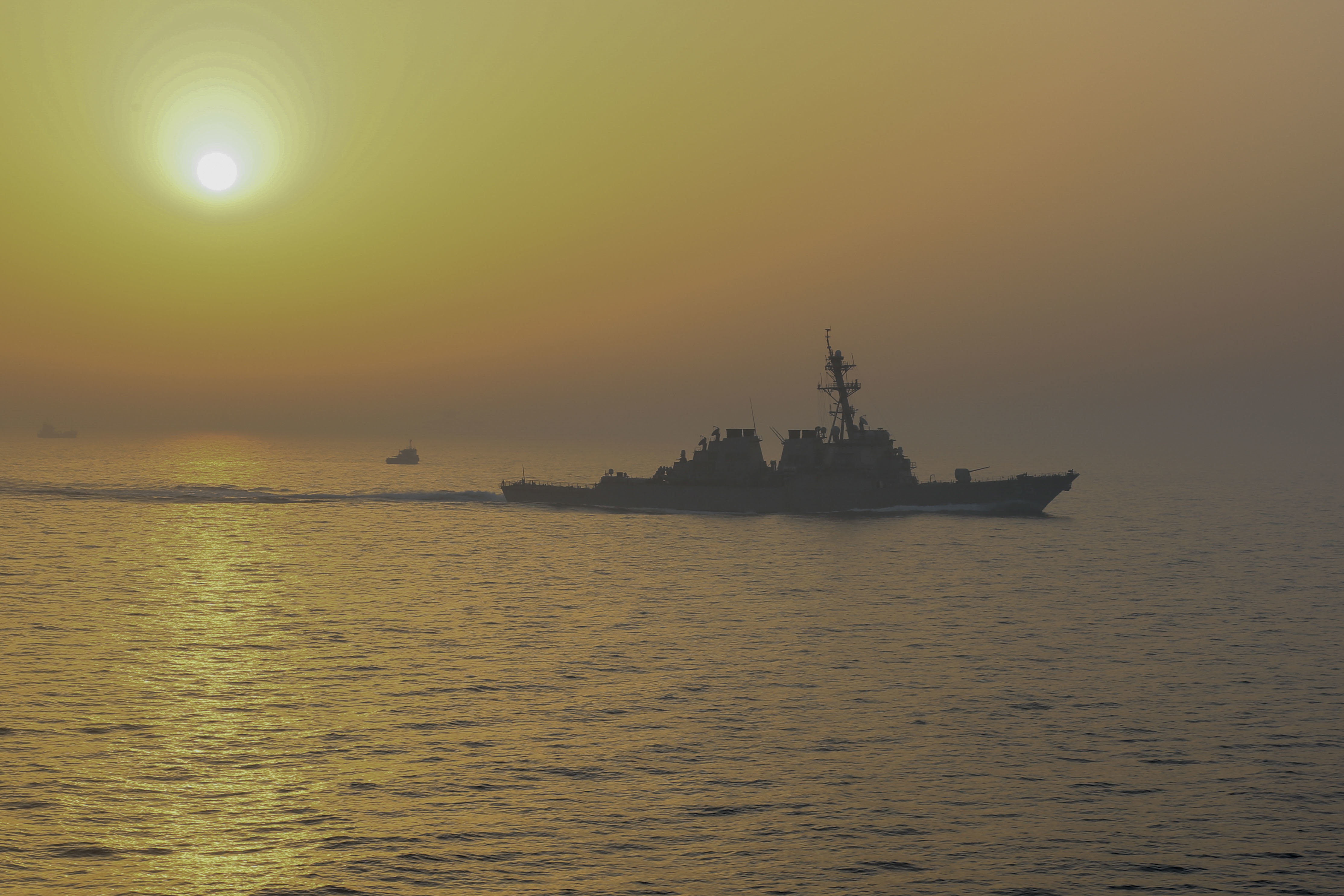
The Iranian government announced it will collect service fees from ships transiting the Strait of Hormuz [1].
This move targets one of the world's most critical maritime chokepoints. Because the strait is a primary artery for global oil shipments, any new financial or regulatory requirement could impact international shipping costs and diplomatic relations in the region.
Deputy Foreign Minister Kazem Gharibabadi and other officials said that these charges are not traditional transit tolls [1]. Instead, the government describes the payments as service fees [1]. Officials said the fees are intended to assert Iranian sovereignty over the waterway and provide a new stream of revenue [1, 2].
Reports regarding the status of the policy vary. Some sources indicate the announcement is a firm decision by the Iranian government [1]. Other reports suggest that Iran is negotiating with Oman to introduce a fee system, implying the policy remains under discussion [2].
The Strait of Hormuz is located between Iran and Oman [1, 2]. The Iranian government has maintained that the fees are for services provided to the vessels rather than a tax on the right of passage through the international waterway [1, 2].
U.S. officials have previously issued warnings regarding the stability and legality of transit restrictions in the region [2]. The Iranian government has not provided a specific schedule for when the collection of these fees will begin.
“Iran says the fees assert its sovereignty over the waterway and provide revenue.”
By framing these charges as 'service fees' rather than tolls, Iran is attempting to bypass international laws that guarantee 'innocent passage' through international straits. This strategy allows Tehran to claim revenue and exert administrative control over the waterway while arguing that it is not illegally blocking transit. However, the discrepancy between reports of a firm announcement and ongoing negotiations with Oman suggests the policy may still be subject to diplomatic leverage.

'%2F%3E%0A%20%20%20%20%3Crect%20width%3D'1600'%20height%3D'900'%20fill%3D'url(%23v)'%2F%3E%0A%20%20%20%20%3Cg%20opacity%3D'0.08'%20fill%3D'%23ffffff'%3E%0A%20%20%20%20%20%20%3Ccircle%20cx%3D'1420'%20cy%3D'180'%20r%3D'220'%2F%3E%0A%20%20%20%20%20%20%3Ccircle%20cx%3D'1500'%20cy%3D'760'%20r%3D'120'%2F%3E%0A%20%20%20%20%3C%2Fg%3E%0A%20%20%20%20%3Cline%20x1%3D'80'%20y1%3D'172'%20x2%3D'220'%20y2%3D'172'%20stroke%3D'%23ffffff'%20stroke-width%3D'3'%20stroke-opacity%3D'0.6'%2F%3E%0A%20%20%20%20%3Ctext%20x%3D'80'%20y%3D'140'%20font-family%3D'Inter%2C%20-apple-system%2C%20Helvetica%2C%20sans-serif'%20font-weight%3D'700'%20font-size%3D'28'%20fill%3D'%23ffffff'%20letter-spacing%3D'6'%3EHANNA%20%C2%B7%20NEWS%3C%2Ftext%3E%0A%20%20%20%20%3Ctext%20x%3D'80'%20y%3D'230'%20font-family%3D'Inter%2C%20-apple-system%2C%20Helvetica%2C%20sans-serif'%20font-weight%3D'600'%20font-size%3D'40'%20fill%3D'%23ffffffb3'%20letter-spacing%3D'4'%3EWORLD%3C%2Ftext%3E%0A%20%20%20%20%3Ctext%20x%3D'80'%20y%3D'622'%20font-family%3D'Playfair%20Display%2C%20Georgia%2C%20serif'%20font-weight%3D'800'%20font-size%3D'86'%20fill%3D'%23ffffff'%20letter-spacing%3D'-1'%3EBJP%20MP%20Kangana%20Ranaut%20plants%3C%2Ftext%3E%3Ctext%20x%3D'80'%20y%3D'721'%20font-family%3D'Playfair%20Display%2C%20Georgia%2C%20serif'%20font-weight%3D'800'%20font-size%3D'86'%20fill%3D'%23ffffff'%20letter-spacing%3D'-1'%3Esapling%20in%20Bhubaneswar%20for%3C%2Ftext%3E%3Ctext%20x%3D'80'%20y%3D'820'%20font-family%3D'Playfair%20Display%2C%20Georgia%2C%20serif'%20font-weight%3D'800'%20font-size%3D'86'%20fill%3D'%23ffffff'%20letter-spacing%3D'-1'%3EWorld%20Environment%20Day%3C%2Ftext%3E%0A%20%20%20%20%3Ctext%20x%3D'80'%20y%3D'870'%20font-family%3D'Inter%2C%20-apple-system%2C%20Helvetica%2C%20sans-serif'%20font-weight%3D'500'%20font-size%3D'22'%20fill%3D'%23ffffff66'%20letter-spacing%3D'2'%3Enews.hanna-ai.com%3C%2Ftext%3E%0A%20%20%3C%2Fsvg%3E)

