
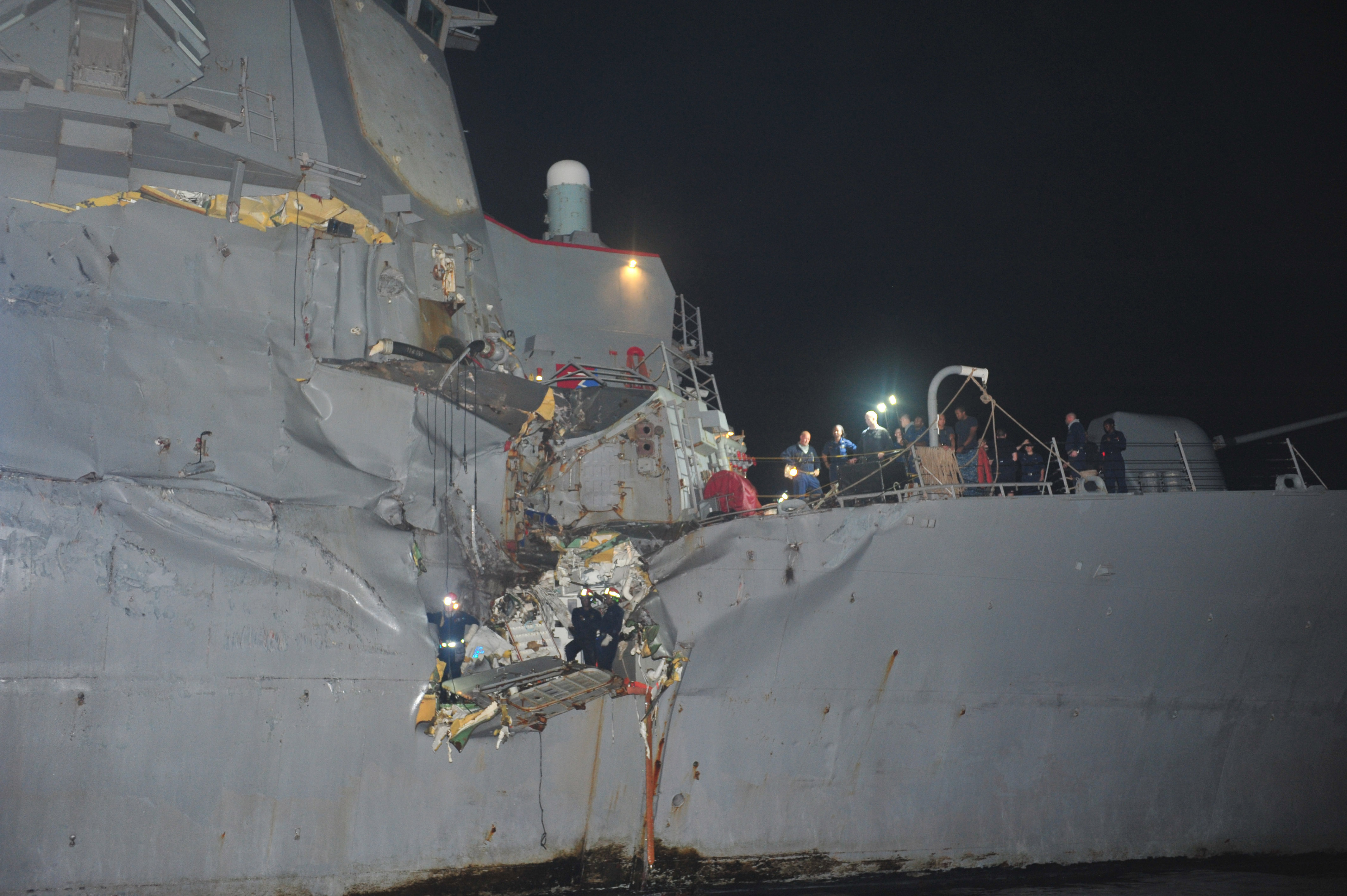
Iranian military officials warned that British cargo ships and any foreign warship entering the Strait of Hormuz could be attacked this week.
The escalation threatens one of the world's most critical oil transit chokepoints, potentially disrupting global energy markets and increasing the risk of direct military conflict between Iran and Western powers.
An Iranian military spokesperson said British cargo ships in the Gulf are now “legitimate targets” [1]. Iranian officials said that any foreign warship entering the Strait of Hormuz will be attacked [2]. These warnings follow a period of heightened regional tensions where Iran has characterized such vessels as part of hostile actions [1], [2].
The threats coincide with a reported spike in violence in the region. Three cargo vessels were hit in the Strait of Hormuz within a 24-hour period [1]. This activity has led to a significant decrease in commercial maritime movement through the narrow waterway between Iran and Oman.
On Tuesday, only six ships transited the Strait [2]. This represents a steep decline from the normal daily traffic of roughly 60 to 80 commercial vessels [2]. While some reports indicated no signs of increased vessel traffic on Monday, other data suggests that most shipping in the area has reached a standstill [2].
The Strait of Hormuz remains a primary flashpoint for geopolitical friction. By labeling commercial and military vessels as targets, Iran is signaling a willingness to use asymmetric naval warfare to pressure foreign interests in the Persian Gulf [1], [2].
“British cargo ships in the Gulf are now “legitimate targets”.”
The drastic reduction in ship transits—from a typical 60-80 vessels to just six—indicates that commercial shipping companies are actively avoiding the Strait of Hormuz due to security risks. By specifically naming British cargo ships and all foreign warships as targets, Iran is expanding its scope of engagement beyond military assets to include commercial trade, which could trigger international naval escorts or sanctions.


