
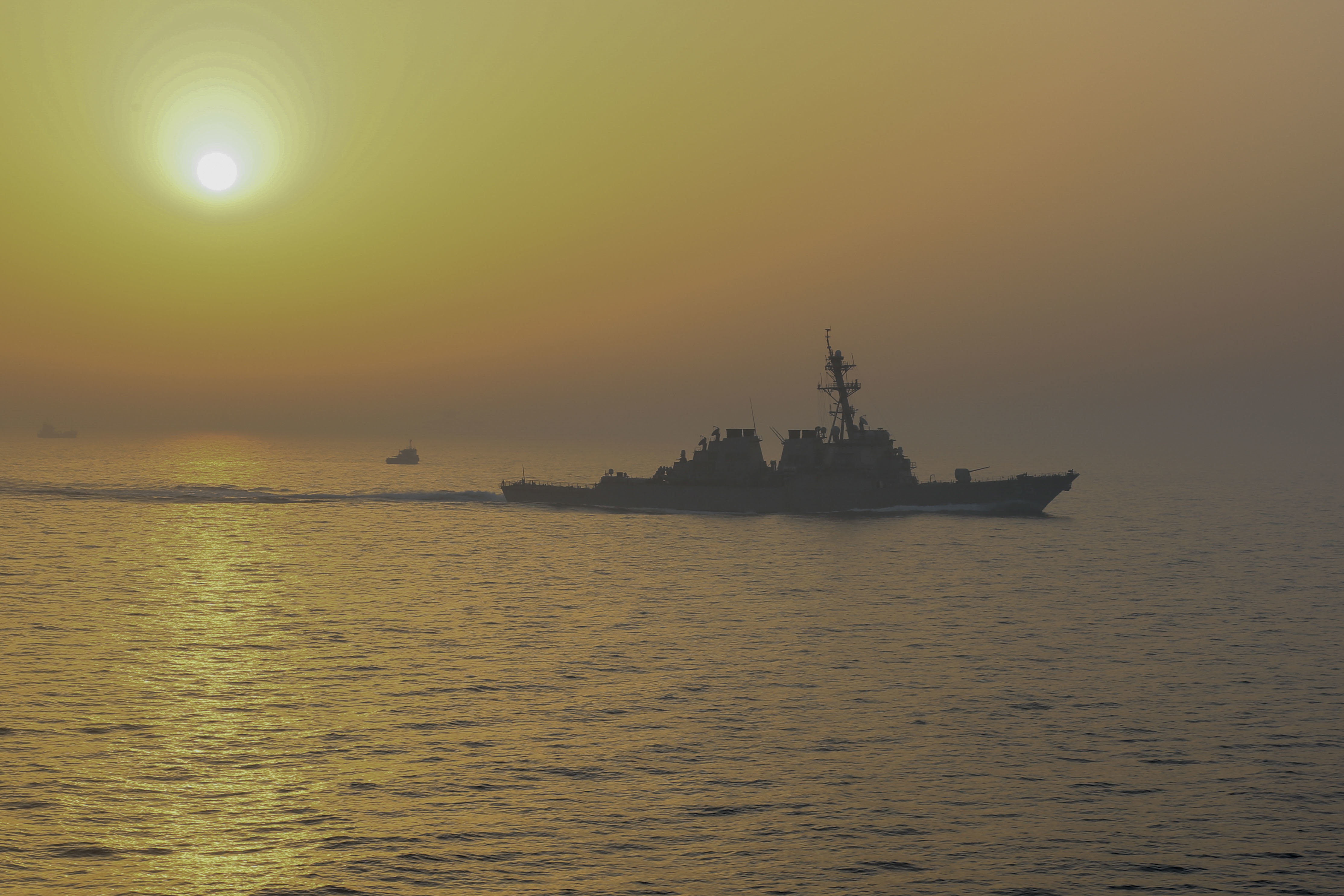
Iran warned commercial vessels and oil tankers to stay away from the Strait of Hormuz in early May after re-imposing control of the waterway [1, 2].
The escalation threatens one of the world's most critical oil transit chokepoints, risking global energy stability and the collapse of a fragile truce between Tehran and Washington.
Iranian officials said the move was a response to Project Freedom, a U.S. plan designed to guide ships through the strait. Major General Ali Abdollahi said, "Project Freedom would constitute a violation of the fragile U.S.-Iran ceasefire" [1, 2].
Iranian forces have fired on tankers in the region during this period [2, 3]. These actions follow a period of heightened tension that began in mid-April, with some reports indicating the broader conflict had lasted about seven weeks by that time [3].
In response to the maritime friction, the U.S. military sank seven small Iranian boats [2]. President Donald Trump (R-FL) said the military action was "just a love tap" [1].
Reports on the current status of the waterway remain conflicting. Some sources indicate that Iran has successfully blocked traffic and continues to fire on vessels [3]. However, other reports state that at least one oil tanker successfully sailed through the Strait of Hormuz and arrived off Basra, Iraq [4].
The Strait of Hormuz, located between Iran and Oman in the Persian Gulf, remains a primary flashpoint as both nations navigate the limits of their current ceasefire [2, 3].
“"Project Freedom would constitute a violation of the fragile U.S.-Iran ceasefire."”
The clash over Project Freedom represents a strategic struggle for control over the Persian Gulf's primary exit. By challenging U.S.-led navigation, Iran is signaling that any perceived infringement on its security or sovereignty in the strait will result in direct kinetic action against commercial shipping, potentially forcing global insurance rates for oil tankers to spike.



'%2F%3E%0A%20%20%20%20%3Crect%20width%3D'1600'%20height%3D'900'%20fill%3D'url(%23v)'%2F%3E%0A%20%20%20%20%3Cg%20opacity%3D'0.08'%20fill%3D'%23ffffff'%3E%0A%20%20%20%20%20%20%3Ccircle%20cx%3D'1420'%20cy%3D'180'%20r%3D'220'%2F%3E%0A%20%20%20%20%20%20%3Ccircle%20cx%3D'1500'%20cy%3D'760'%20r%3D'120'%2F%3E%0A%20%20%20%20%3C%2Fg%3E%0A%20%20%20%20%3Cline%20x1%3D'80'%20y1%3D'172'%20x2%3D'220'%20y2%3D'172'%20stroke%3D'%23ffffff'%20stroke-width%3D'3'%20stroke-opacity%3D'0.6'%2F%3E%0A%20%20%20%20%3Ctext%20x%3D'80'%20y%3D'140'%20font-family%3D'Inter%2C%20-apple-system%2C%20Helvetica%2C%20sans-serif'%20font-weight%3D'700'%20font-size%3D'28'%20fill%3D'%23ffffff'%20letter-spacing%3D'6'%3EHANNA%20%C2%B7%20NEWS%3C%2Ftext%3E%0A%20%20%20%20%3Ctext%20x%3D'80'%20y%3D'230'%20font-family%3D'Inter%2C%20-apple-system%2C%20Helvetica%2C%20sans-serif'%20font-weight%3D'600'%20font-size%3D'40'%20fill%3D'%23ffffffb3'%20letter-spacing%3D'4'%3EWORLD%3C%2Ftext%3E%0A%20%20%20%20%3Ctext%20x%3D'80'%20y%3D'694'%20font-family%3D'Playfair%20Display%2C%20Georgia%2C%20serif'%20font-weight%3D'800'%20font-size%3D'110'%20fill%3D'%23ffffff'%20letter-spacing%3D'-1'%3EFour%20Men%20Rescued%20From%3C%2Ftext%3E%3Ctext%20x%3D'80'%20y%3D'820'%20font-family%3D'Playfair%20Display%2C%20Georgia%2C%20serif'%20font-weight%3D'800'%20font-size%3D'110'%20fill%3D'%23ffffff'%20letter-spacing%3D'-1'%3EFlooded%20Laos%20Cave%3C%2Ftext%3E%0A%20%20%20%20%3Ctext%20x%3D'80'%20y%3D'870'%20font-family%3D'Inter%2C%20-apple-system%2C%20Helvetica%2C%20sans-serif'%20font-weight%3D'500'%20font-size%3D'22'%20fill%3D'%23ffffff66'%20letter-spacing%3D'2'%3Enews.hanna-ai.com%3C%2Ftext%3E%0A%20%20%3C%2Fsvg%3E)