Iranian Revolutionary Guard Corps (IRGC) forces launched a missile and drone strike on a U.S. military base in Jordan on Friday [1].
The attack marks a significant escalation in regional tensions, targeting a strategic hub for U.S. operations in the Middle East. This strike underscores the ongoing volatility of the conflict and the vulnerability of regional air installations to coordinated aerial assaults.
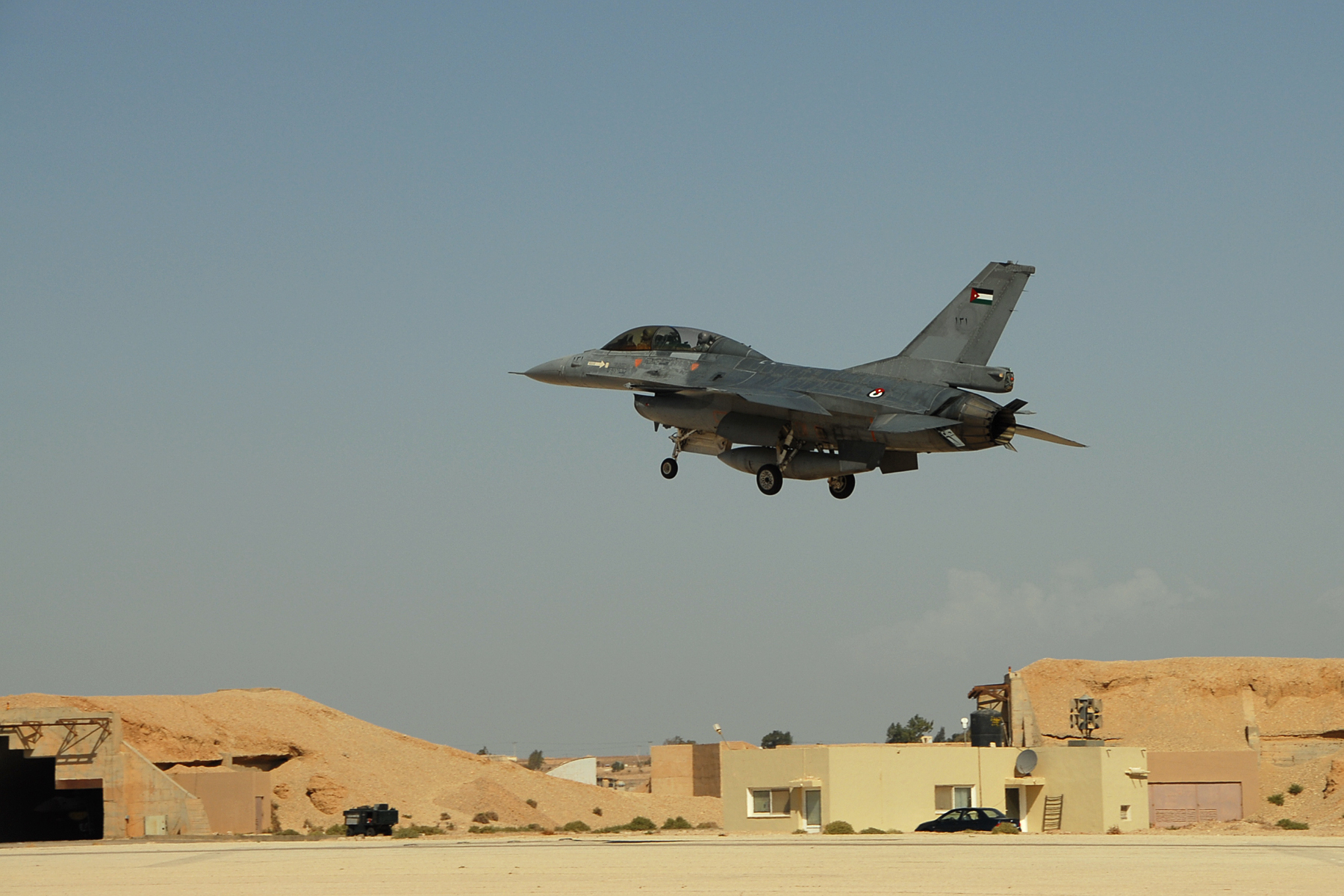
According to reports, the strike targeted the Muwaffaq Al Salti air base located near Zarqa, Jordan [1, 2]. The IRGC said the operation resulted in the deaths of at least two U.S. soldiers [1].
Iranian forces said the attack caused significant damage to aircraft shelters at the facility [1, 2]. The strike was not an isolated event but part of a broader strategic campaign. The IRGC said the mission was part of Operation “Nasr 2,” which represents the 20th wave of attacks directed against U.S. facilities in the region [2].
The use of both missiles and drones suggests a coordinated effort to bypass air defenses and maximize impact on ground infrastructure. While the U.S. military presence in Jordan has historically served as a stabilizing force for regional partnerships, these repeated waves of attacks indicate a shift in the IRGC's tactical approach toward direct engagement with U.S. assets [1, 2].
Local officials in Jordan have not yet provided a detailed assessment of the collateral damage to the surrounding Zarqa area. However, the precision of the strike on aircraft shelters suggests a specific intent to degrade U.S. aerial capabilities in the sector [1, 2].
“The IRGC identified the mission as part of Operation “Nasr 2,” which represents the twentieth wave of attacks.”
The transition to a twentieth wave of attacks under Operation Nasr 2 suggests that the IRGC is pursuing a long-term strategy of attrition against U.S. regional infrastructure. By targeting aircraft shelters and causing casualties, Iran is demonstrating its ability to project power into Jordan, potentially challenging the security guarantees provided by the U.S. to its Middle Eastern allies.