
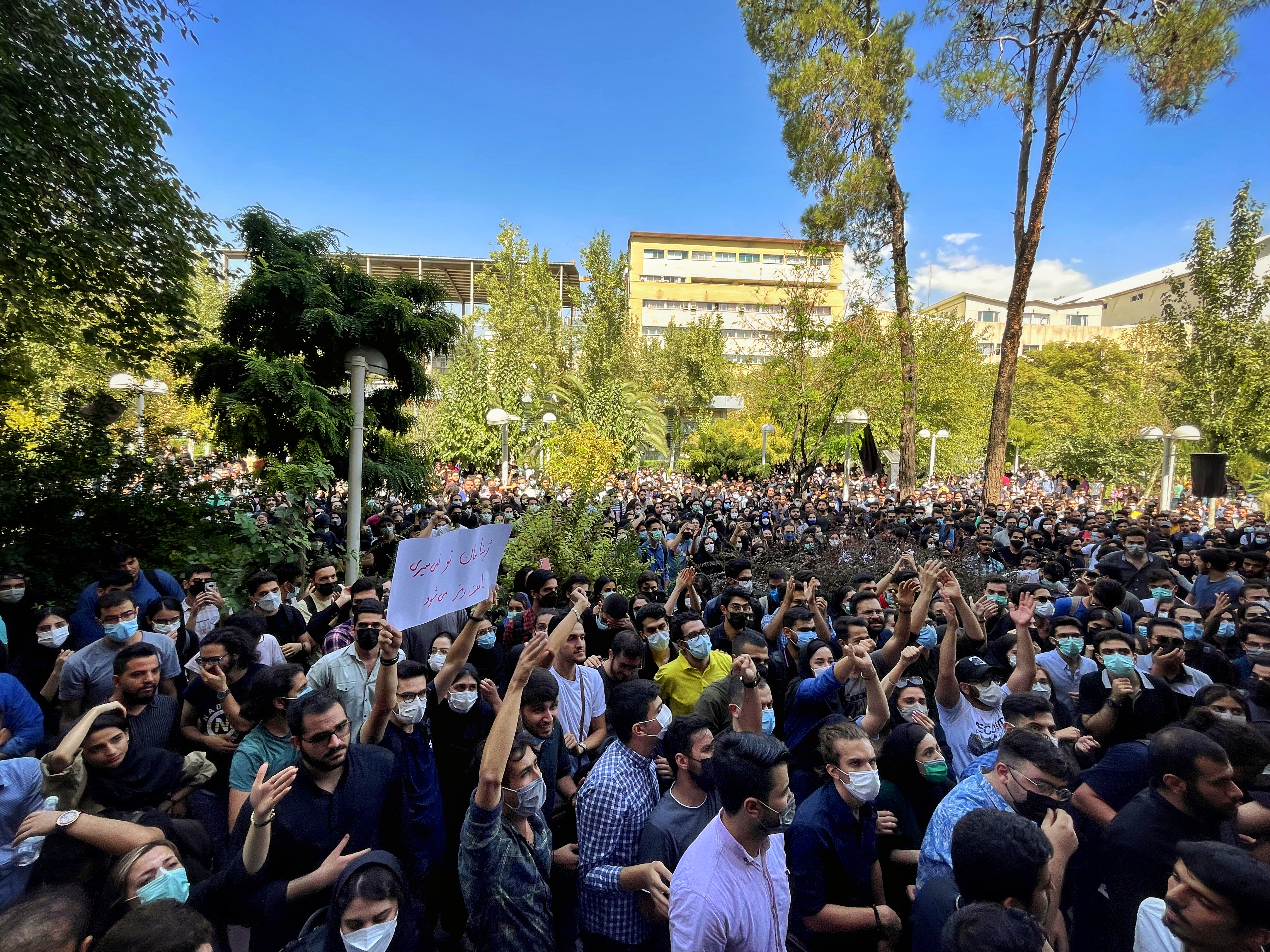
Iranian university students intensified anti-government protests on campuses across the country on Sunday [1].
These demonstrations signal a resurgence of domestic unrest within Iran. The timing is critical as the Iranian government faces simultaneous internal pressure and external geopolitical friction involving the United States.
Students are protesting against the Iranian regime [1]. The unrest has spread to university campuses throughout the nation, marking a coordinated effort by the youth population to demand systemic change. These actions reflect a growing divide between the state's authority and the aspirations of the student body [1].
Regional instability is also fueling the current wave of unrest. Protesters are reacting to a U.S. military build-up in the region [1]. This external pressure has intersected with long-standing domestic grievances, creating a volatile environment on campus grounds.
The intensification of these protests suggests that university centers remain primary hubs for political mobilization in Iran. While the regime has historically suppressed student movements, the current surge indicates a persistent desire for freedom, and a rejection of current government policies [1].
Observers said that the combination of regional military movements and internal dissent creates a complex security landscape for the Iranian government. The focus on university campuses highlights the role of educated youth in leading the opposition to the current regime [1].
“Iranian university students intensified anti-government protests on campuses across the country”
The resurgence of student-led protests indicates that domestic instability in Iran is closely linked to regional security dynamics. By reacting to both the internal regime and the U.S. military presence, students are positioning themselves at the center of a broader geopolitical struggle, suggesting that internal unrest may be exacerbated by external military tensions.


