
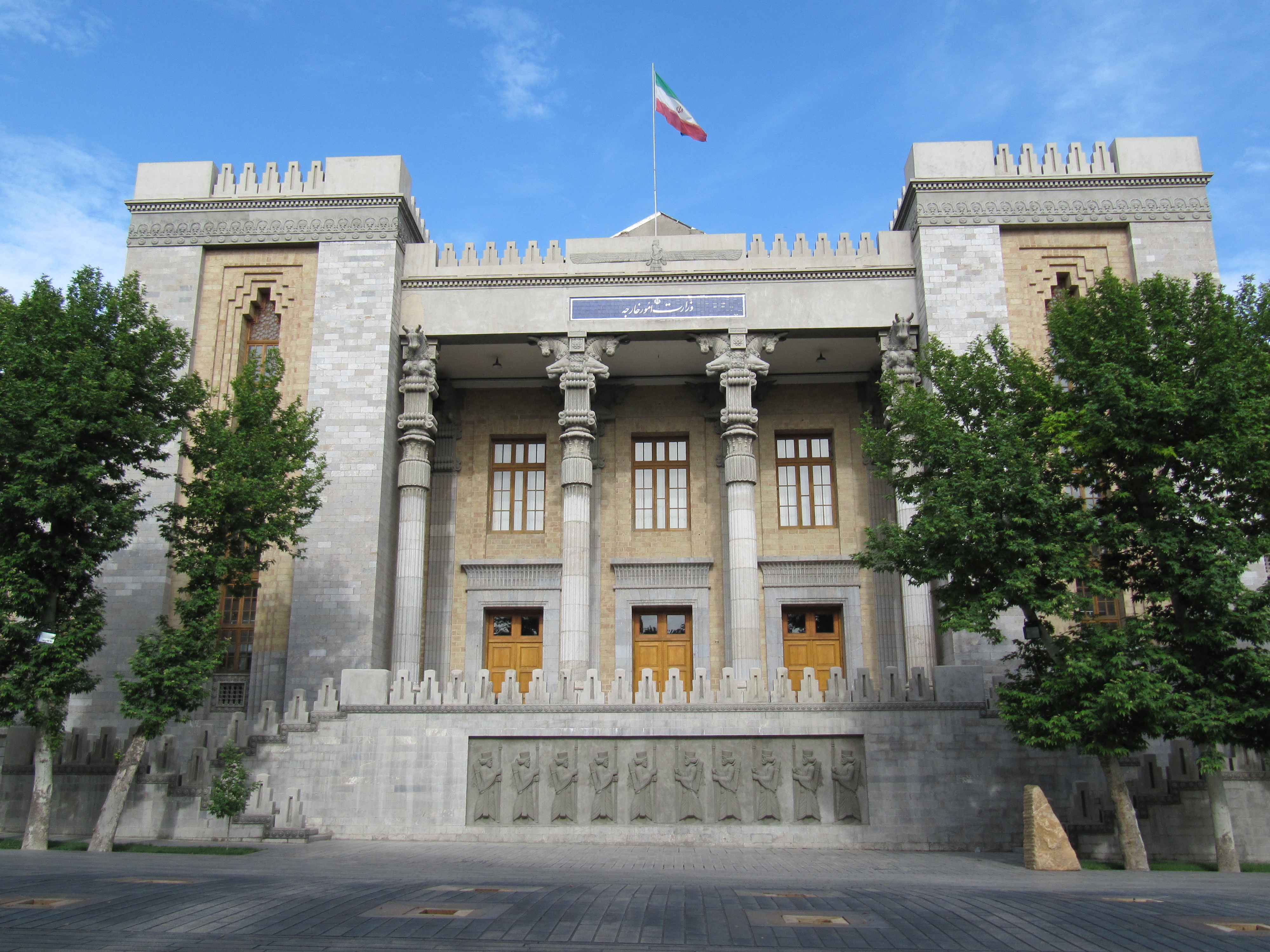
Iran said U.S. strikes on its targets violated a ceasefire and demonstrated "misconduct and bad faith" in a statement issued Monday [1, 2].
The accusation threatens to destabilize a fragile truce in the region, as Tehran now claims the right to take defensive measures in response to the military actions [1, 3].
Esmaeil Baghaei, the spokesperson for Iran's Foreign Ministry, said the U.S. actions constitute misconduct and bad faith [2]. The statement from Tehran indicates that the strikes are a direct breach of the existing ceasefire agreement [1, 2].
Baghaei said the United States has acted in bad faith and unreliability [3]. This rhetoric marks a significant escalation in diplomatic tensions between the two nations, a shift that could lead to further military engagement if the breach remains unresolved [3].
According to the ministry, the nature of the strikes justifies Iran's pursuit of defensive measures to protect its interests [1, 3]. The Iranian government maintains that the U.S. has failed to adhere to the terms of the peace agreement [2].
While the U.S. has not issued a formal rebuttal to these specific claims in the reported statements, the Iranian Foreign Ministry continues to warn of consequences [3]. The situation remains volatile as both parties navigate the fallout of the alleged ceasefire violations [1, 2].
“U.S. strikes on Iranian targets show ‘misconduct and bad faith.’”
This escalation suggests a breakdown in the trust necessary to maintain a ceasefire. By framing the U.S. actions as 'bad faith,' Iran is establishing a diplomatic and legal justification for retaliatory strikes, moving the conflict from a state of fragile peace back toward active military confrontation.


