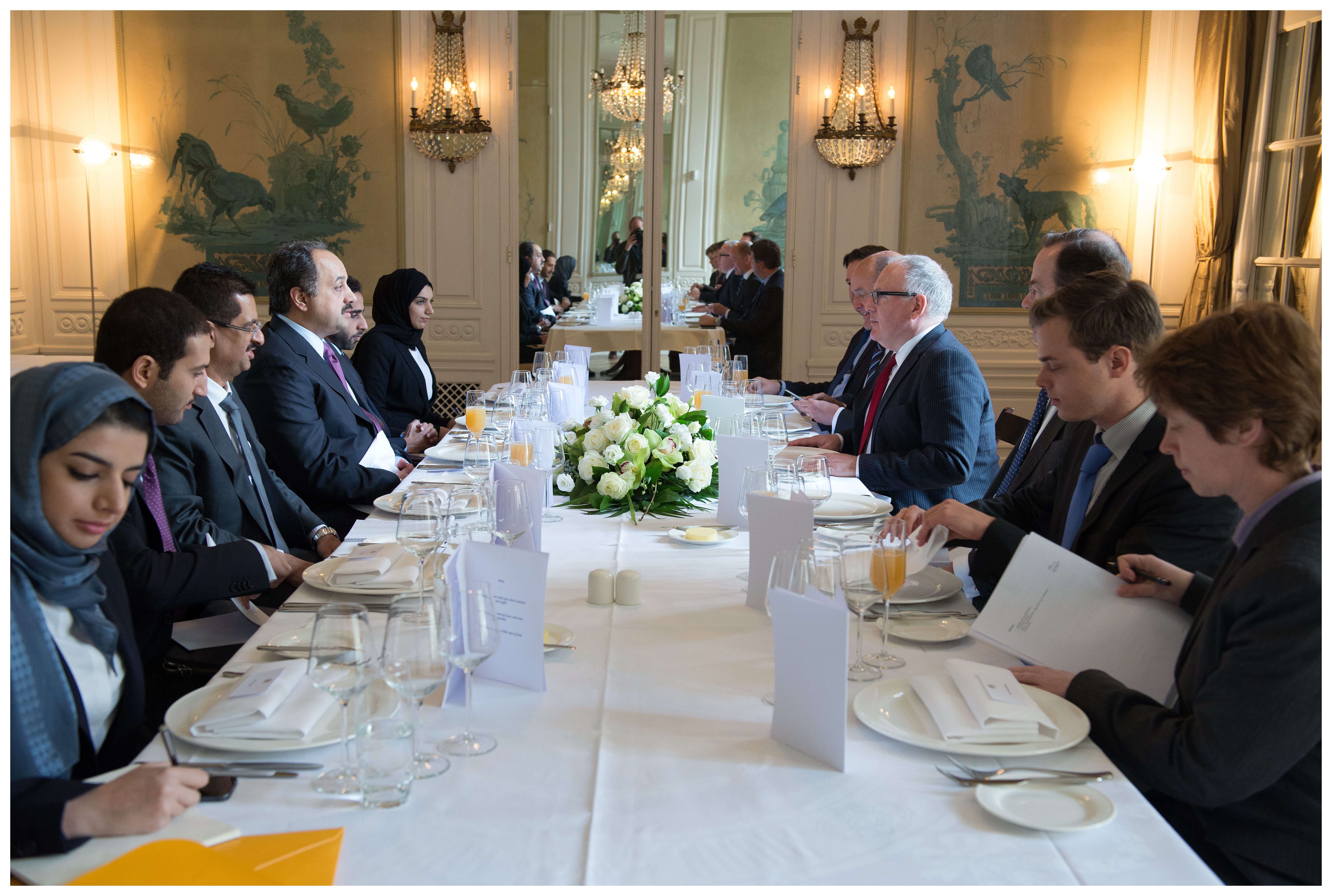
An Iranian technical delegation met with Qatari and Pakistani mediators in Doha to monitor the implementation of a memorandum of understanding with the U.S. [1].
The consultations aim to preserve fragile understandings between Washington and Tehran at a time of heightened regional tension. These talks signal a diplomatic effort to prevent the collapse of agreements that govern security and political stability in the Middle East.
The delegation was led by Kazem Gharib Abadi, the Assistant Foreign Minister for International Affairs [1]. The officials focused on addressing political and security issues related to U.S. commitments [1].
According to reports, the discussions centered on alleged U.S. violations of previous agreements [1], [2]. These concerns specifically include the failure to end the war, and the lack of Israeli withdrawal from Lebanon [1], [2]. The Iranian delegation sought to rescue these understandings amid a volatile security environment.
In addition to the memorandum of understanding, the parties discussed the buildup of U.S. forces in the region [1]. The Iranian officials raised concerns regarding U.S. threats and the strategic implications of increased military presence [1].
Qatar and Pakistan acted as mediators during the sessions to facilitate communication between the two powers [1]. The meetings were designed to evaluate the current status of the agreements, and determine a path forward to ensure both sides adhere to their obligations [1].
“Iranian officials met with Qatari and Pakistani mediators in Doha to preserve fragile US-Iran understandings.”
These consultations reflect the precarious nature of the diplomatic channel between Tehran and Washington. By utilizing Qatari and Pakistani intermediaries, Iran is attempting to hold the U.S. accountable to specific security benchmarks—namely the conflict in Lebanon—while signaling that military escalations and force buildups are viewed as direct threats to the existing memorandum of understanding.

