Iran announced that negotiations on a final deal with the United States will begin this week [1].
The agreement seeks to end a war triggered by U.S.–Israeli strikes on Iran while securing the lifting of sanctions, and the full reopening of the Strait of Hormuz [1, 4].
An Iranian Foreign Ministry spokesperson said the talks on the final deal are expected to start later this week [2]. The negotiations focus on Iran's nuclear program and the removal of economic penalties [1, 3]. These discussions are part of a broader process following a memorandum of understanding that established a 60-day window for negotiations [1].
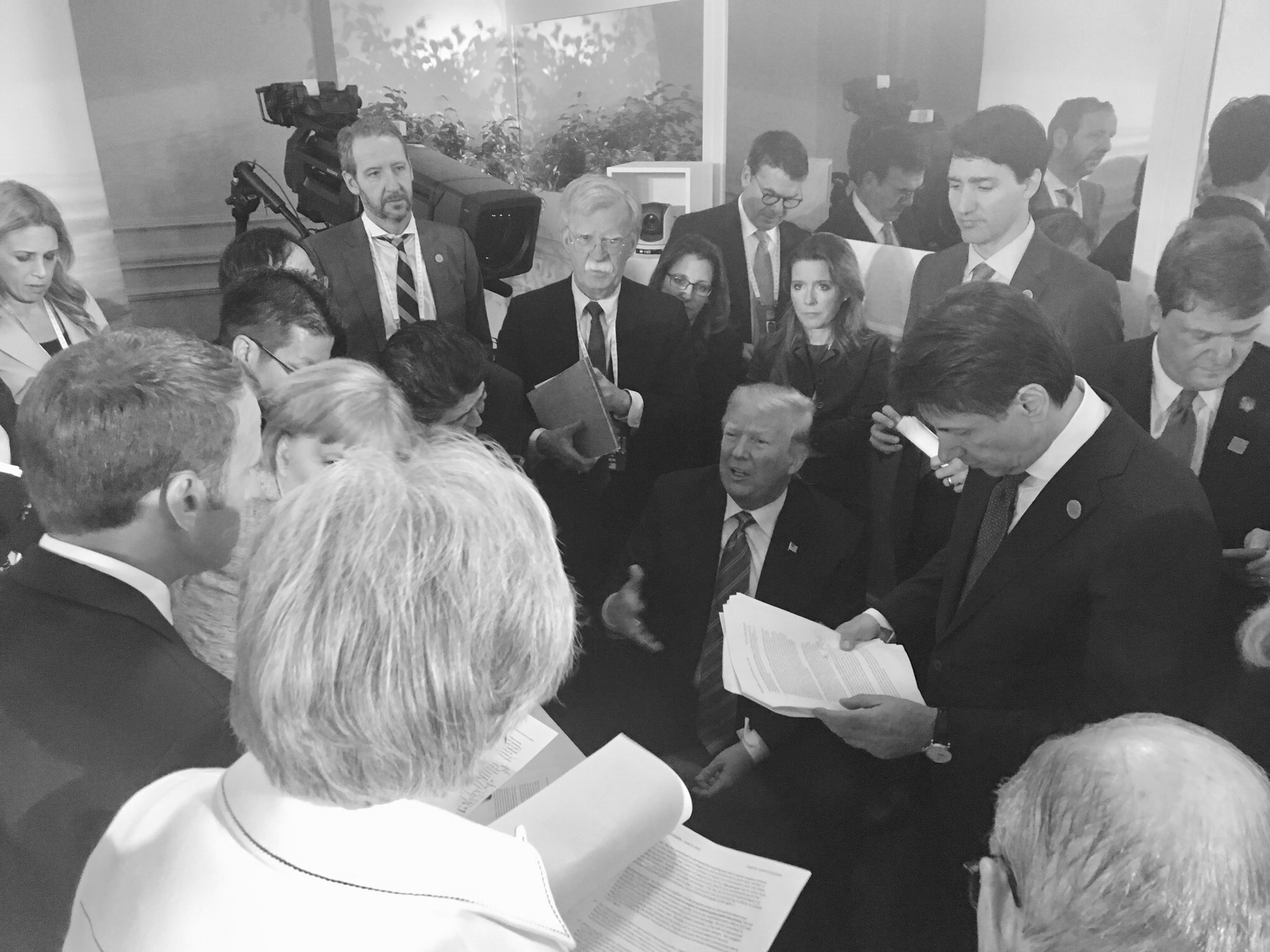
Reports indicate that mediators will facilitate meetings this week while President Donald Trump (R-FL) attends the G7 [5]. The parties are expected to formally sign the agreement on Friday, June 19, 2026, in Switzerland [5].
President Trump said, "The Strait of Hormuz will completely open once the foes sign their deal" [1].
However, some reports indicate a shift in the timeline. CBS News said that the negotiations have been postponed and that a planned trip by Vice President JD Vance (R-OH) was put off [6]. Switzerland also said that the negotiations have been postponed [6].
Despite these conflicting reports, the Iranian government maintains that the process is moving forward toward a final resolution [2].
“"The Strait of Hormuz will completely open once the foes sign their deal."”
The potential agreement represents a critical attempt to stabilize the Persian Gulf and prevent further escalation of a regional conflict. By linking the reopening of the Strait of Hormuz—a vital global oil artery—to nuclear concessions and sanctions relief, the U.S. and Iran are attempting to trade economic stability for security guarantees. The contradiction between official Iranian statements and reports of postponement suggests a fragile diplomatic environment where the final terms remain subject to last-minute volatility.


