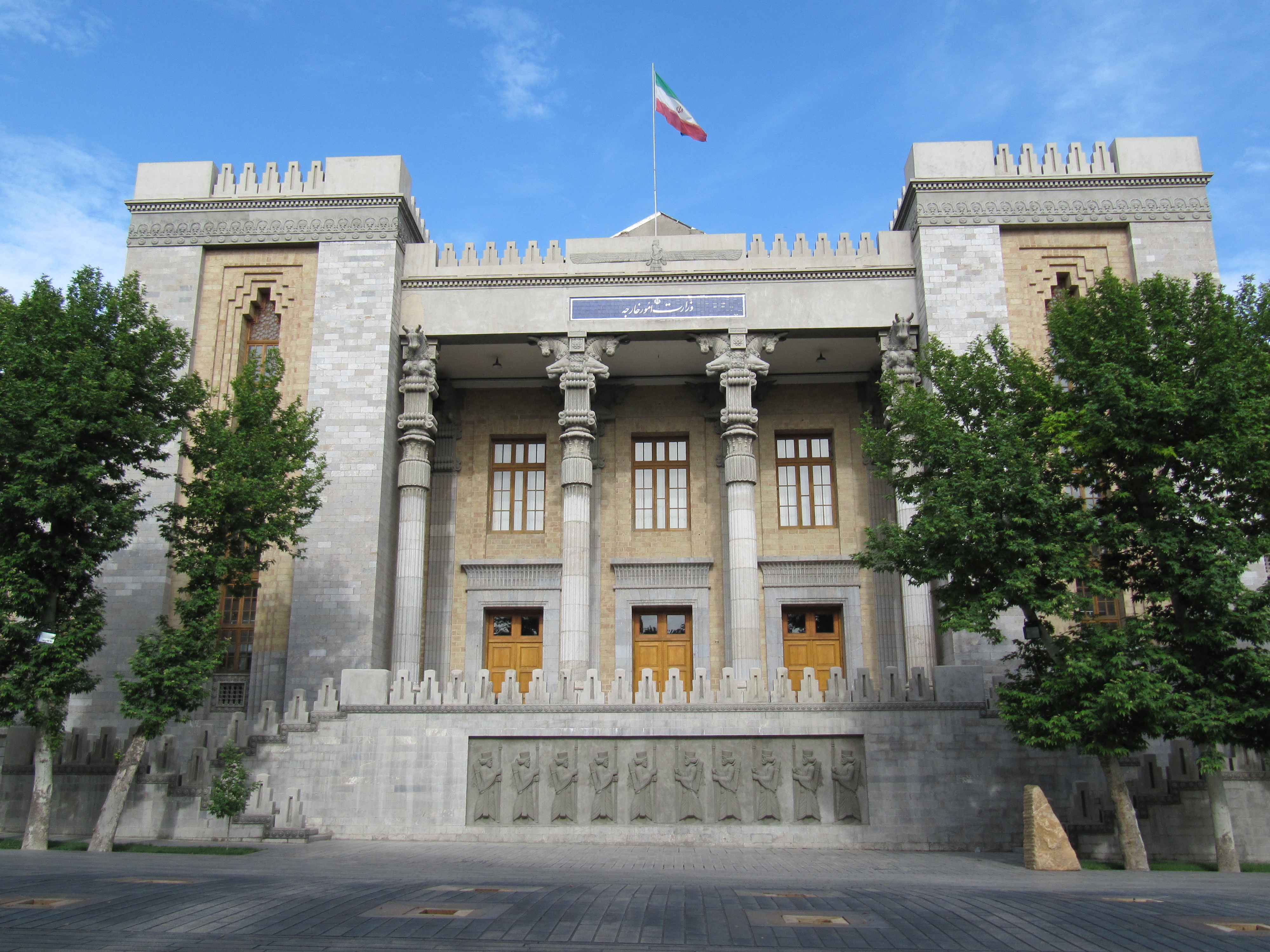
Iran labeled a joint statement from the U.S. and the Gulf Cooperation Council as provocative and interventionist [1].
The reaction underscores the deepening diplomatic rift between Tehran and its neighbors, as well as the United States. This friction centers on security dynamics in the Persian Gulf and the influence of regional proxies.
Government officials in Iran said the joint statement constitutes interference in its internal affairs [1]. The Iranian government specifically pointed to pressure regarding its missile programs and activities in the Strait of Hormuz [1].
Tehran also identified the statement's mentions of regional armed groups as a point of contention [1]. Iranian officials said the combined approach of the U.S. and GCC members serves as a tool for external pressure rather than diplomatic engagement [1].
By characterizing the statement as provocative, Iran signals its rejection of the security framework proposed by the U.S. and the Gulf states. The tension remains high as both sides disagree on the legitimacy of regional military presence and the nature of missile proliferation in the area [1].
Iranian officials said the statement ignores the complexities of regional stability, focusing instead on a narrow set of demands. The government maintains that its regional activities are defensive and necessary for national security [1].
“Iran labeled a joint statement from the U.S. and the Gulf Cooperation Council as provocative and interventionist.”
This escalation reflects the ongoing struggle for hegemony in the Middle East. By framing the US-GCC alignment as 'interventionist,' Iran is attempting to delegitimize Western influence in the Gulf while defending its strategic assets, including the Strait of Hormuz and its network of regional allies.

'%2F%3E%0A%20%20%20%20%3Crect%20width%3D'1600'%20height%3D'900'%20fill%3D'url(%23v)'%2F%3E%0A%20%20%20%20%3Cg%20opacity%3D'0.08'%20fill%3D'%23ffffff'%3E%0A%20%20%20%20%20%20%3Ccircle%20cx%3D'1420'%20cy%3D'180'%20r%3D'220'%2F%3E%0A%20%20%20%20%20%20%3Ccircle%20cx%3D'1500'%20cy%3D'760'%20r%3D'120'%2F%3E%0A%20%20%20%20%3C%2Fg%3E%0A%20%20%20%20%3Cline%20x1%3D'80'%20y1%3D'172'%20x2%3D'220'%20y2%3D'172'%20stroke%3D'%23ffffff'%20stroke-width%3D'3'%20stroke-opacity%3D'0.6'%2F%3E%0A%20%20%20%20%3Ctext%20x%3D'80'%20y%3D'140'%20font-family%3D'Inter%2C%20-apple-system%2C%20Helvetica%2C%20sans-serif'%20font-weight%3D'700'%20font-size%3D'28'%20fill%3D'%23ffffff'%20letter-spacing%3D'6'%3EHANNA%20%C2%B7%20NEWS%3C%2Ftext%3E%0A%20%20%20%20%3Ctext%20x%3D'80'%20y%3D'230'%20font-family%3D'Inter%2C%20-apple-system%2C%20Helvetica%2C%20sans-serif'%20font-weight%3D'600'%20font-size%3D'40'%20fill%3D'%23ffffffb3'%20letter-spacing%3D'4'%3EWORLD%3C%2Ftext%3E%0A%20%20%20%20%3Ctext%20x%3D'80'%20y%3D'622'%20font-family%3D'Playfair%20Display%2C%20Georgia%2C%20serif'%20font-weight%3D'800'%20font-size%3D'86'%20fill%3D'%23ffffff'%20letter-spacing%3D'-1'%3EMacron%20and%20Meloni%20Meet%20in%3C%2Ftext%3E%3Ctext%20x%3D'80'%20y%3D'721'%20font-family%3D'Playfair%20Display%2C%20Georgia%2C%20serif'%20font-weight%3D'800'%20font-size%3D'86'%20fill%3D'%23ffffff'%20letter-spacing%3D'-1'%3EAntibes%20to%20Strengthen%3C%2Ftext%3E%3Ctext%20x%3D'80'%20y%3D'820'%20font-family%3D'Playfair%20Display%2C%20Georgia%2C%20serif'%20font-weight%3D'800'%20font-size%3D'86'%20fill%3D'%23ffffff'%20letter-spacing%3D'-1'%3EStrategic%20Alliance%3C%2Ftext%3E%0A%20%20%20%20%3Ctext%20x%3D'80'%20y%3D'870'%20font-family%3D'Inter%2C%20-apple-system%2C%20Helvetica%2C%20sans-serif'%20font-weight%3D'500'%20font-size%3D'22'%20fill%3D'%23ffffff66'%20letter-spacing%3D'2'%3Enews.hanna-ai.com%3C%2Ftext%3E%0A%20%20%3C%2Fsvg%3E)
