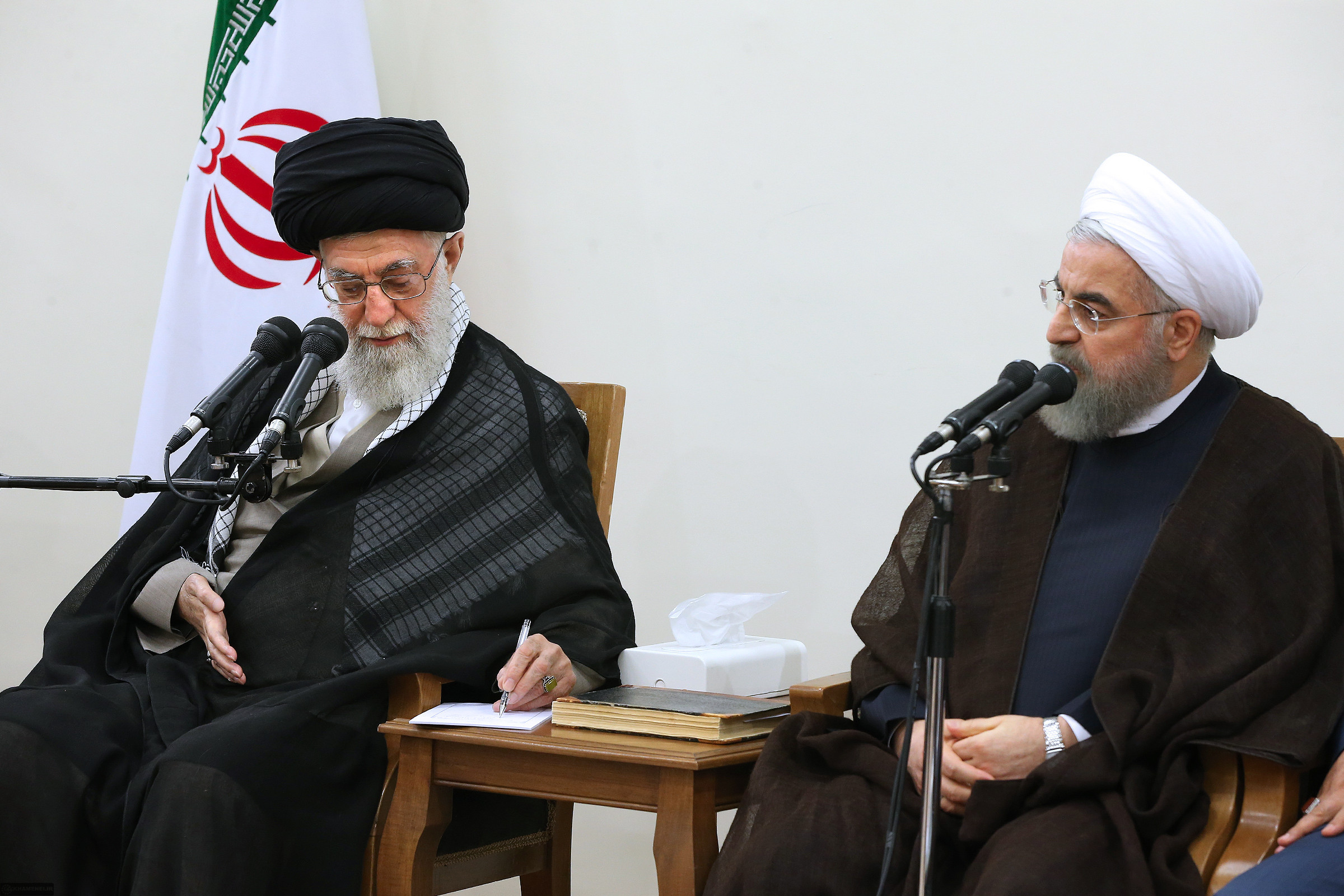
Iranian officials rejected U.S. terms and ended negotiations in Pakistan early Sunday [1].
The collapse of these talks contradicts recent assertions that a broader regional agreement was imminent. Because the dispute centers on nuclear capabilities, the failure to reach a consensus increases the likelihood of continued diplomatic deadlock between Washington and Tehran.
The negotiations lasted 21 hours [1]. Iranian negotiators ended the session after saying they could not accept American terms that would prevent Iran from developing a nuclear capability [1]. This refusal directly challenges claims from other sources that the two nations were closing in on a deal to reopen the Strait of Hormuz.
While some reports suggested a regional deal was within reach, the Iranian side pushed back against the notion that a final agreement was near [1]. The tension surrounding these negotiations coincided with reports on May 12, 2024, indicating that oil prices were rising as the fragility of the U.S.-Iran talks became evident [2].
The breakdown in Pakistan highlights a fundamental disagreement over the scope of Iranian sovereignty and military development. The U.S. sought guarantees that would limit Iran's nuclear trajectory, a condition the Iranian delegation found unacceptable [1].
Despite the 21-hour effort [1], no agreement was reached. The divergence between the official outcome of the talks and the optimistic claims of regional stability underscores the volatile nature of the current diplomatic environment.
“Iranian officials rejected U.S. terms and ended negotiations in Pakistan early Sunday.”
The collapse of these talks suggests that nuclear proliferation remains the primary obstacle to a diplomatic breakthrough. While the U.S. may seek a comprehensive regional deal to ensure maritime security and nuclear containment, Iran's refusal to compromise on its nuclear ambitions indicates that a 'final deal' is unlikely without a significant shift in one side's core requirements.