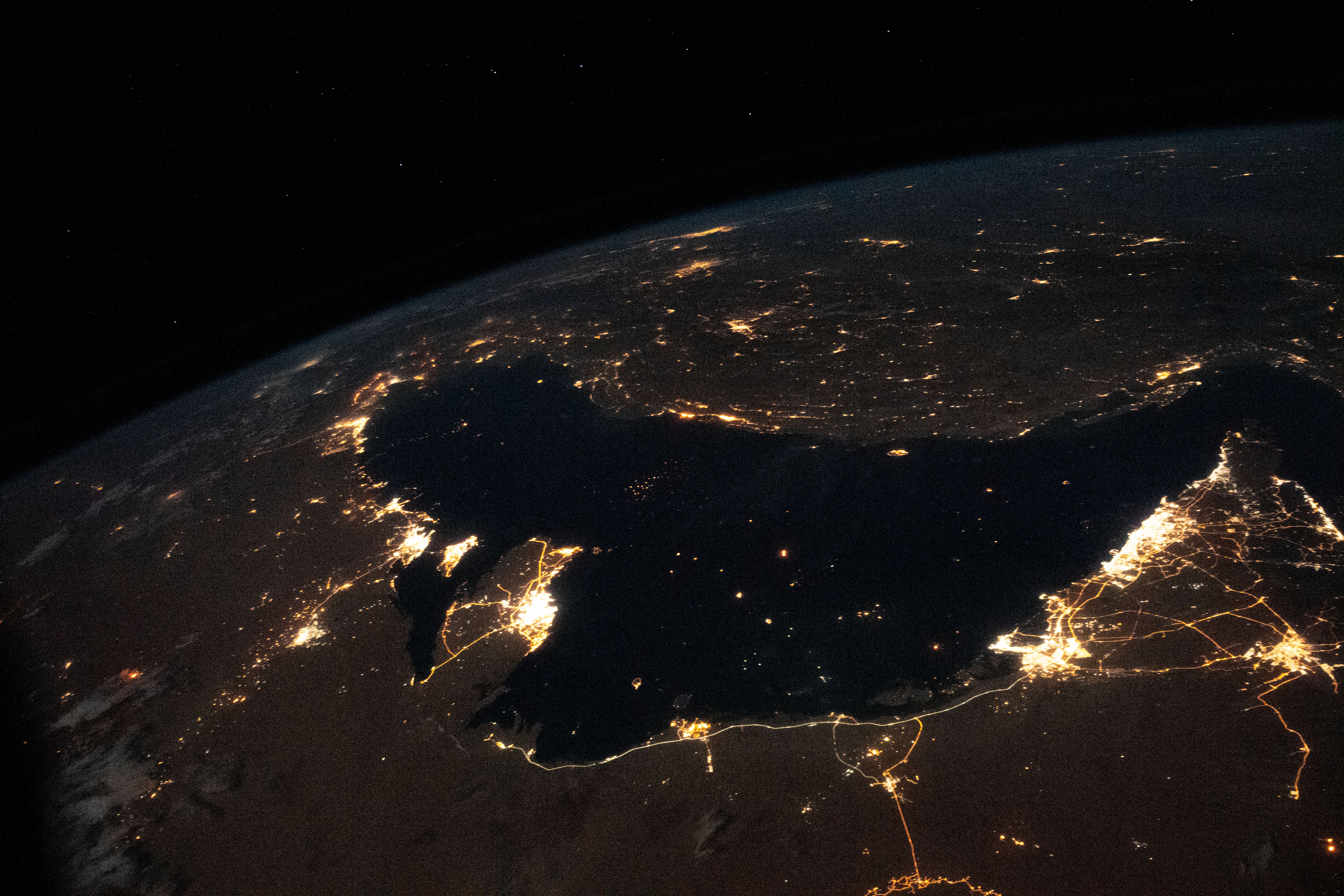
Iran says it is in the concluding phase of a protocol for a peace agreement with the U.S. [1].
This development could stabilize global energy markets and reduce military tensions in the Middle East by reopening the Strait of Hormuz and removing U.S. troops from the region [3, 4].
Esmaeil Baqaei, spokesperson for Iran's Ministry of Foreign Affairs, said on May 23, 2026, that the two nations are in the phase of conclusion of a protocol for a peace agreement [1]. Baqaei said the deal is closer than ever to completion [1].
However, the timeline for a final signature remains a point of contention. On May 25, 2026, a spokesperson for the Iranian foreign ministry said the agreement is not imminent due to frequent changes in the U.S. stance [2]. This contradicts earlier optimism regarding the speed of the negotiations.
U.S. Secretary of State Marco Rubio said the agreement could take a few days [5]. Despite these conflicting reports on imminence, recent data suggests continued movement toward a resolution. A report on June 12, 2026, stated that the U.S. and Iran have made progress toward a provisional peace agreement specifically designed to reopen the Strait of Hormuz [3].
According to Iranian officials, the proposed peace framework includes reparations, and the full withdrawal of U.S. forces from the region [4]. The Strait of Hormuz remains a critical strategic focus of the negotiations due to its role as a primary artery for global oil shipments [3].
Tehran has maintained that while the protocol is in its final stages, the volatility of U.S. diplomatic positions has hindered a definitive date for the signing [2].
“We are in the phase of conclusion of a protocol for a peace agreement with the United States.”
The discrepancy between Iranian claims of a 'concluding phase' and warnings that a deal is 'not imminent' reflects the fragile nature of U.S.-Iran diplomacy. While the focus on the Strait of Hormuz suggests a priority on economic and maritime stability, the demand for total U.S. military withdrawal remains a high political hurdle that could delay a final agreement.


'%2F%3E%0A%20%20%20%20%3Crect%20width%3D'1600'%20height%3D'900'%20fill%3D'url(%23v)'%2F%3E%0A%20%20%20%20%3Cg%20opacity%3D'0.08'%20fill%3D'%23ffffff'%3E%0A%20%20%20%20%20%20%3Ccircle%20cx%3D'1420'%20cy%3D'180'%20r%3D'220'%2F%3E%0A%20%20%20%20%20%20%3Ccircle%20cx%3D'1500'%20cy%3D'760'%20r%3D'120'%2F%3E%0A%20%20%20%20%3C%2Fg%3E%0A%20%20%20%20%3Cline%20x1%3D'80'%20y1%3D'172'%20x2%3D'220'%20y2%3D'172'%20stroke%3D'%23ffffff'%20stroke-width%3D'3'%20stroke-opacity%3D'0.6'%2F%3E%0A%20%20%20%20%3Ctext%20x%3D'80'%20y%3D'140'%20font-family%3D'Inter%2C%20-apple-system%2C%20Helvetica%2C%20sans-serif'%20font-weight%3D'700'%20font-size%3D'28'%20fill%3D'%23ffffff'%20letter-spacing%3D'6'%3EHANNA%20%C2%B7%20NEWS%3C%2Ftext%3E%0A%20%20%20%20%3Ctext%20x%3D'80'%20y%3D'230'%20font-family%3D'Inter%2C%20-apple-system%2C%20Helvetica%2C%20sans-serif'%20font-weight%3D'600'%20font-size%3D'40'%20fill%3D'%23ffffffb3'%20letter-spacing%3D'4'%3EWORLD%3C%2Ftext%3E%0A%20%20%20%20%3Ctext%20x%3D'80'%20y%3D'694'%20font-family%3D'Playfair%20Display%2C%20Georgia%2C%20serif'%20font-weight%3D'800'%20font-size%3D'110'%20fill%3D'%23ffffff'%20letter-spacing%3D'-1'%3EKOSPI%20Surges%20After%20US-Iran%3C%2Ftext%3E%3Ctext%20x%3D'80'%20y%3D'820'%20font-family%3D'Playfair%20Display%2C%20Georgia%2C%20serif'%20font-weight%3D'800'%20font-size%3D'110'%20fill%3D'%23ffffff'%20letter-spacing%3D'-1'%3ECease-Fire%20Agreement%3C%2Ftext%3E%0A%20%20%20%20%3Ctext%20x%3D'80'%20y%3D'870'%20font-family%3D'Inter%2C%20-apple-system%2C%20Helvetica%2C%20sans-serif'%20font-weight%3D'500'%20font-size%3D'22'%20fill%3D'%23ffffff66'%20letter-spacing%3D'2'%3Enews.hanna-ai.com%3C%2Ftext%3E%0A%20%20%3C%2Fsvg%3E)