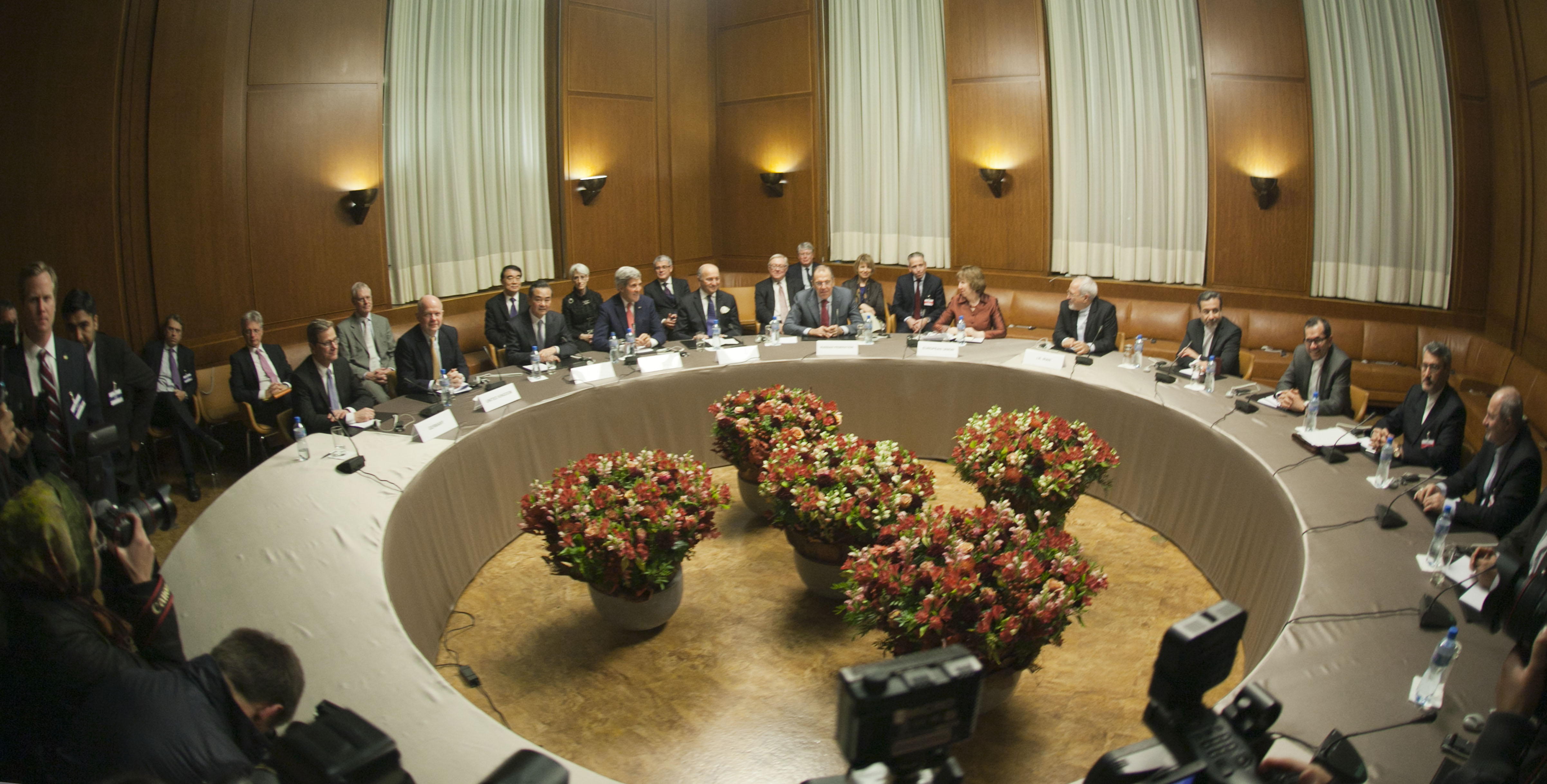
Iran suspended the second phase of peace talks with the U.S. in Switzerland this week after Israeli strikes in Lebanon [1].
The postponement threatens to derail a fragile diplomatic effort to prevent further escalation in the Middle East. By linking nuclear negotiations to regional military operations, Iran has shifted the leverage of the talks toward the conflict in Lebanon.
The delegations, which included U.S. special envoy Steve Witkoff, were scheduled to meet in Geneva from June 20-21, 2026 [1, 2]. While the first phase of the discussions was completed, the second phase did not begin as planned [3].
Iranian officials said, "Iran will not make a deal until Israel halts its strikes in Lebanon" [1]. The Iranian government has demanded that Israel cease its military operations before any further stages of the diplomatic process can proceed [1, 3].
A U.S. State Department spokesperson said the second phase cannot proceed because Iran has suspended the negotiations [3]. The U.S. has expressed a desire to resume the dialogue, though the timeline remains uncertain given the current military volatility.
An unnamed U.S. official said the administration is working to get technical talks back on track after the postponement [1]. These efforts follow a series of high-level diplomatic movements aimed at stabilizing the region, though the suspension marks a significant setback for the current round of mediation.
Despite the halt, U.S. officials continue to engage in communication with regional partners to address the triggers of the suspension [1]. The stalemate in Geneva reflects the broader difficulty of separating nuclear diplomacy from active combat zones in the Levant [3].
“"Iran will not make a deal until Israel halts its strikes in Lebanon."”
The suspension of the Geneva talks indicates that Iran is prioritizing regional military dynamics over the immediate resolution of nuclear tensions. By conditioning its participation in the second phase on Israeli actions in Lebanon, Tehran is attempting to use the nuclear framework as a tool to pressure Israel into a ceasefire. This strategy complicates the U.S. effort to isolate the nuclear issue from broader regional conflicts, potentially prolonging the diplomatic deadlock.


