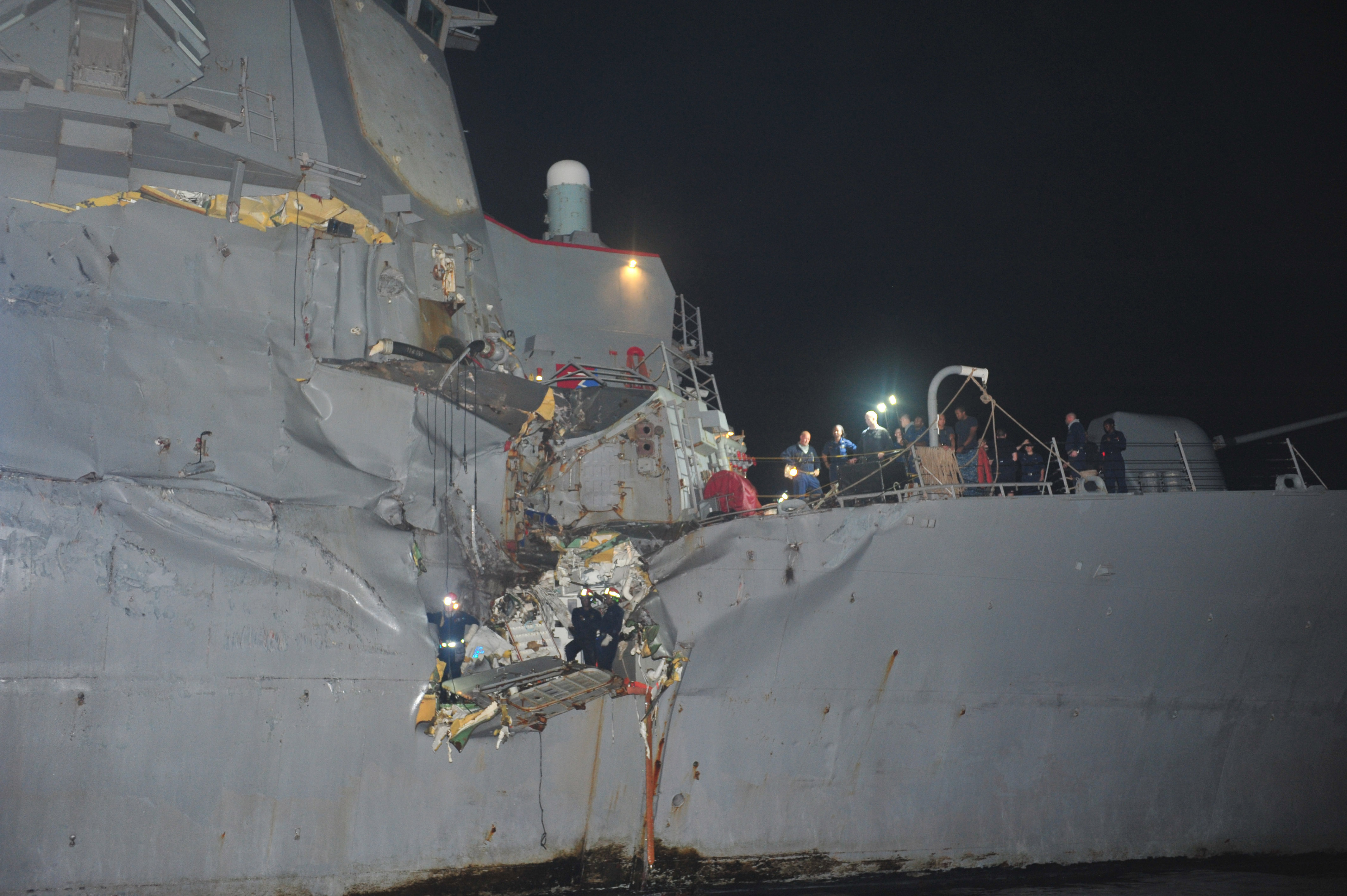
Iran fired warning shots at U.S. naval vessels in the Strait of Hormuz on May 5, 2026 [1].
The incident occurs as both nations attempt to maintain a newly established ceasefire. Any escalation in this critical waterway could disrupt global shipping and jeopardize diplomatic efforts to prevent a wider regional conflict.
The encounter took place on Tuesday, May 5, 2026 [1], in the Strait of Hormuz, a narrow chokepoint essential for international oil transit. Iranian forces fired the warning shots as U.S. ships operated in the area [1], reports said.
Officials said both sides are probing the durability of the ceasefire amid ongoing regional tensions [1]. The act of firing warning shots serves as a tactical signal, testing the boundaries of the agreement without initiating a full-scale engagement.
U.S. naval assets have maintained a presence in the region to ensure the free flow of commerce. The Iranian military has frequently challenged the legality of this presence, leading to frequent friction in the Gulf waters.
While no direct hits were reported, the event highlights the volatility of the current security arrangement. The ceasefire remains fragile as both the U.S. and Iran navigate deep-seated geopolitical rivalries and strategic interests in the Middle East [1].
“Iran fired warning shots at U.S. naval vessels in the Strait of Hormuz”
This incident suggests that the ceasefire is being treated as a flexible boundary rather than a rigid peace. By using warning shots, Iran is signaling its willingness to challenge U.S. naval movements to establish a psychological advantage, while the U.S. response will determine whether the ceasefire can withstand tactical provocations without collapsing into open warfare.


'%2F%3E%0A%20%20%20%20%3Crect%20width%3D'1600'%20height%3D'900'%20fill%3D'url(%23v)'%2F%3E%0A%20%20%20%20%3Cg%20opacity%3D'0.08'%20fill%3D'%23ffffff'%3E%0A%20%20%20%20%20%20%3Ccircle%20cx%3D'1420'%20cy%3D'180'%20r%3D'220'%2F%3E%0A%20%20%20%20%20%20%3Ccircle%20cx%3D'1500'%20cy%3D'760'%20r%3D'120'%2F%3E%0A%20%20%20%20%3C%2Fg%3E%0A%20%20%20%20%3Cline%20x1%3D'80'%20y1%3D'172'%20x2%3D'220'%20y2%3D'172'%20stroke%3D'%23ffffff'%20stroke-width%3D'3'%20stroke-opacity%3D'0.6'%2F%3E%0A%20%20%20%20%3Ctext%20x%3D'80'%20y%3D'140'%20font-family%3D'Inter%2C%20-apple-system%2C%20Helvetica%2C%20sans-serif'%20font-weight%3D'700'%20font-size%3D'28'%20fill%3D'%23ffffff'%20letter-spacing%3D'6'%3EHANNA%20%C2%B7%20NEWS%3C%2Ftext%3E%0A%20%20%20%20%3Ctext%20x%3D'80'%20y%3D'230'%20font-family%3D'Inter%2C%20-apple-system%2C%20Helvetica%2C%20sans-serif'%20font-weight%3D'600'%20font-size%3D'40'%20fill%3D'%23ffffffb3'%20letter-spacing%3D'4'%3EWORLD%3C%2Ftext%3E%0A%20%20%20%20%3Ctext%20x%3D'80'%20y%3D'694'%20font-family%3D'Playfair%20Display%2C%20Georgia%2C%20serif'%20font-weight%3D'800'%20font-size%3D'110'%20fill%3D'%23ffffff'%20letter-spacing%3D'-1'%3EBending%20Spoons%20Plans%20US%20IPO%3C%2Ftext%3E%3Ctext%20x%3D'80'%20y%3D'820'%20font-family%3D'Playfair%20Display%2C%20Georgia%2C%20serif'%20font-weight%3D'800'%20font-size%3D'110'%20fill%3D'%23ffffff'%20letter-spacing%3D'-1'%3Eto%20Raise%20%241.6%20Billion%3C%2Ftext%3E%0A%20%20%20%20%3Ctext%20x%3D'80'%20y%3D'870'%20font-family%3D'Inter%2C%20-apple-system%2C%20Helvetica%2C%20sans-serif'%20font-weight%3D'500'%20font-size%3D'22'%20fill%3D'%23ffffff66'%20letter-spacing%3D'2'%3Enews.hanna-ai.com%3C%2Ftext%3E%0A%20%20%3C%2Fsvg%3E)