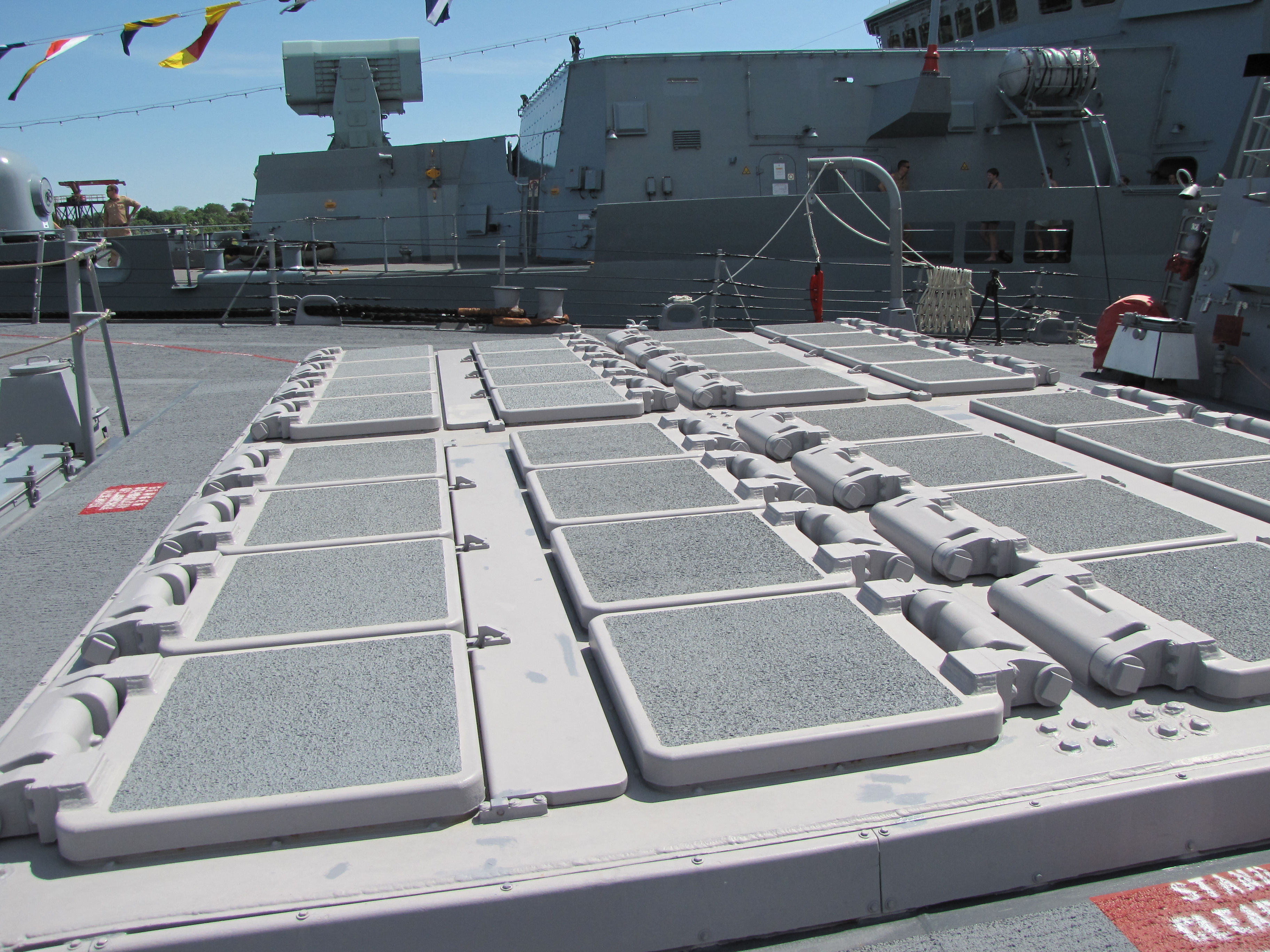
Iran said its forces struck a U.S. warship in the Strait of Hormuz on Monday [1].
This incident marks a sharp escalation in maritime tensions between the two nations, occurring simultaneously with a new U.S. naval operation in the region. The clash threatens to disrupt one of the world's most critical oil transit chokepoints.
The Islamic Revolutionary Guard Corps reported that two missiles, or potentially a drone, hit the American vessel [2]. An Iranian Ministry of Defense spokesperson said the action was retaliation for the U.S. seizure of the Iranian cargo ship Tusca [3].
The U.S. military said that no Iranian attack on its warship took place [1]. Despite the denial, an Iranian official serving as the National Security Committee Chairman said military responses to "U.S. piracy" would continue [2].
The confrontation coincides with the launch of "Project Freedom," a naval escort operation. Donald Trump said via social media that the project began on the morning of May 4 to ensure ships can pass through restricted waters safely and without hindrance [1].
To support Project Freedom, the U.S. deployed 15,000 personnel, missile destroyers, and more than 100 aircraft [1]. The operation aims to provide security for commercial shipping in the Middle East, though Iran views the presence as a provocation.
Iranian officials have linked the strike to the previous capture of their cargo vessel and the broader U.S. military presence in the strait [3]. The U.S. has not provided further details on the status of its fleet in the area beyond the denial of the strike [1].
“Two Iranian missiles hit a U.S. warship in the Strait of Hormuz.”
The contradictory accounts of the strike highlight a dangerous information war accompanying physical military deployments. By launching 'Project Freedom' with a significant force of 15,000 personnel, the U.S. is attempting to assert maritime dominance, while Iran's claims of a successful strike serve to project strength and deter further seizures of its cargo vessels.


